
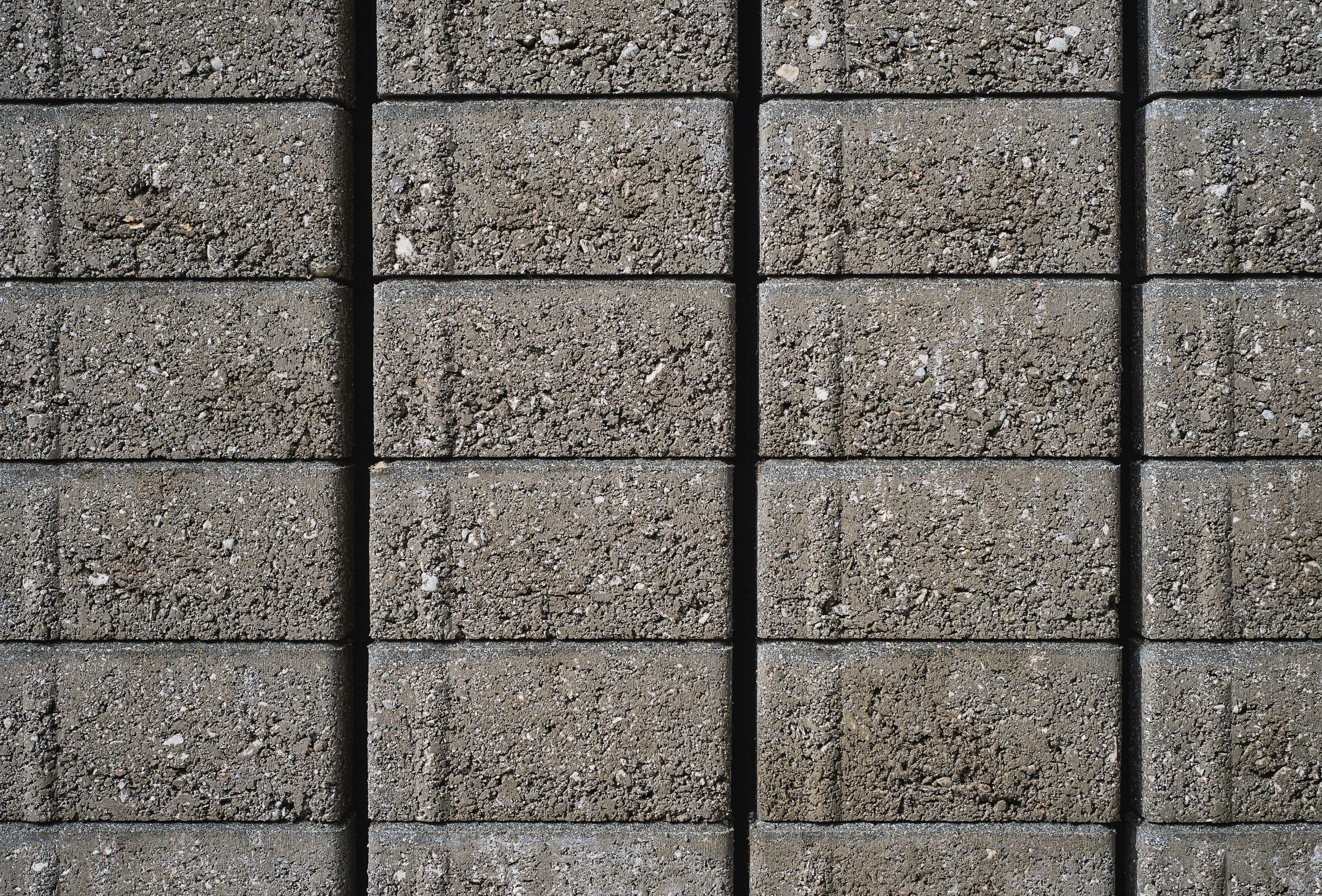
Mexico’s construction industry is creating new opportunities for hollow concrete block manufacturers, supported by rising housing requirements, urban expansion, and infrastructure development. Hollow concrete blocks are increasingly preferred for their durability, cost-effectiveness, thermal insulation properties, and ease of installation. These blocks are widely used in residential, commercial, and industrial construction, particularly for walls and partitions. The growing focus on affordable housing and faster construction methods is further strengthening market demand. Looking ahead to 2035, the market is expected to benefit from construction modernization, industrial investments, and the need for sustainable building materials.
Key Market Drivers Supporting the Growth of Mexico’s Hollow Concrete Blocks Industry
Rising Housing Demand and Urbanization Are Increasing Block Consumption
Mexico’s growing urban population and persistent housing requirements are creating consistent demand for affordable construction materials. According to Mexico’s National Housing Program and government housing assessments, the country continues to face a substantial housing deficit, making residential construction and housing improvement important development priorities. Hollow concrete blocks are widely used in low-rise residential buildings because they offer structural strength, relatively economical installation, and convenient availability. Additionally, self-built housing remains an important part of Mexico’s residential construction landscape, supporting demand through local building-material retailers and distributors.
Infrastructure and Industrial Construction Are Expanding Market Opportunities
The expansion of industrial facilities, warehouses, commercial buildings, transportation infrastructure, and logistics parks is creating additional opportunities for hollow concrete block suppliers. Mexico’s nearshoring trend has encouraged manufacturing companies to establish or expand operations, particularly in northern and central industrial corridors. These developments require building materials for internal partitions, boundary walls, utility structures, and supporting facilities. According to the U.S. International Trade Administration, Mexico’s construction sector contributed approximately 7.2% to national economic output in 2024. This highlights the importance of construction activity as a demand generator for concrete-based building products.
Cost Efficiency and Sustainable Construction Are Encouraging Adoption
Hollow concrete blocks provide a practical alternative to certain traditional masonry materials because their hollow cores reduce material consumption and make individual units comparatively lighter than solid concrete blocks. Their standardized dimensions also support faster installation and can help reduce construction time and labour requirements. Furthermore, their thermal and acoustic insulation potential makes them suitable for buildings where energy efficiency and indoor comfort are important considerations. As developers increasingly focus on reducing construction costs and improving building performance, demand for quality-tested and environmentally improved hollow concrete blocks is likely to strengthen.
Government Support and Housing Initiatives Are Creating New Demand
The Mexican government is supporting residential construction through affordable housing and housing-improvement initiatives. The Programa de Vivienda para el Bienestar has established a target of 1.8 million new homes during the current administration’s six-year period. In June 2026, SEDATU reported that 604,000 homes had been contracted and 274,000 were already under construction. These initiatives can generate opportunities for hollow concrete block manufacturers by increasing demand for locally sourced masonry materials, particularly across affordable housing developments and residential improvement projects.
Competitive Landscape of Mexico’s Hollow Concrete Blocks Industry
The Mexico hollow concrete blocks market comprises large construction-material companies, regional manufacturers, and numerous small-scale block producers. Companies such as CEMEX benefit from established cement operations, distribution networks, and strong relationships with construction-sector customers. Specialized manufacturers, including Grupo Hebel, also participate in the broader masonry market through lightweight and autoclaved aerated concrete products. Regional manufacturers compete through localized distribution, pricing, product availability, and customized block specifications. Going forward, product consistency, competitive pricing, manufacturing efficiency, and reliable supply chains will remain important factors influencing competitive positioning.
Market Challenges Affecting Mexico’s Hollow Concrete Blocks Industry
Raw Material Price Fluctuations and Transportation Costs
Hollow concrete block manufacturing depends heavily on cement, aggregates, water, energy, and transportation. Fluctuations in cement and aggregate prices can increase production costs and reduce manufacturers’ profit margins. Additionally, concrete blocks are relatively bulky products, making transportation expenses an important consideration when supplying distant construction markets.
Quality Standardization and Competition from Alternative Materials
The presence of numerous small-scale and informal manufacturers creates challenges related to product consistency, dimensional accuracy, and compliance with construction requirements. Hollow concrete blocks also face competition from clay bricks, lightweight concrete blocks, autoclaved aerated concrete, and alternative wall construction systems. Manufacturers must therefore focus on product quality, certification, and performance improvements to maintain customer confidence and market share.
Future Outlook
The Mexico hollow concrete blocks market is expected to witness steady development through 2035, supported by affordable housing requirements, industrial expansion, urbanization, and infrastructure investments. Government-backed housing programmes are likely to create additional demand, while nearshoring-related industrial construction could strengthen consumption in key manufacturing regions. Manufacturers investing in automated production, energy-efficient processes, recycled aggregates, and improved block designs may gain a competitive advantage. Although raw material costs and alternative construction technologies will influence market growth, hollow concrete blocks are expected to remain an important building material in Mexico’s residential and non-residential construction sectors.
Consultants at Nexdigm, in their latest publication “Mexico Hollow Concrete Blocks Market Outlook to 2035,” analyze the sector by Concrete Block Specification (Load-Bearing Units, Non-Load-Bearing Units, Specialty Shape Units, Surface Finish Treatments), By Application Sector (Residential Construction, Commercial Infrastructure, Industrial Warehouse Development), and By Production Technology (Vibratory Compression Molding, Autoclaved Aerated Concrete Technology, Hydraulic Press Fabrication).
Nexdigm suggests that businesses should capitalize on Mexico’s growing housing demand, infrastructure investments, and industrial expansion by strengthening local distribution networks, adopting cost-efficient manufacturing technologies, maintaining consistent product quality, and developing sustainable hollow concrete block solutions to gain a competitive advantage through 2035.
To take the next step, simply visit our Request a Consultation page and share your requirements with us.
Harsh Mittal
+91-8422857704