
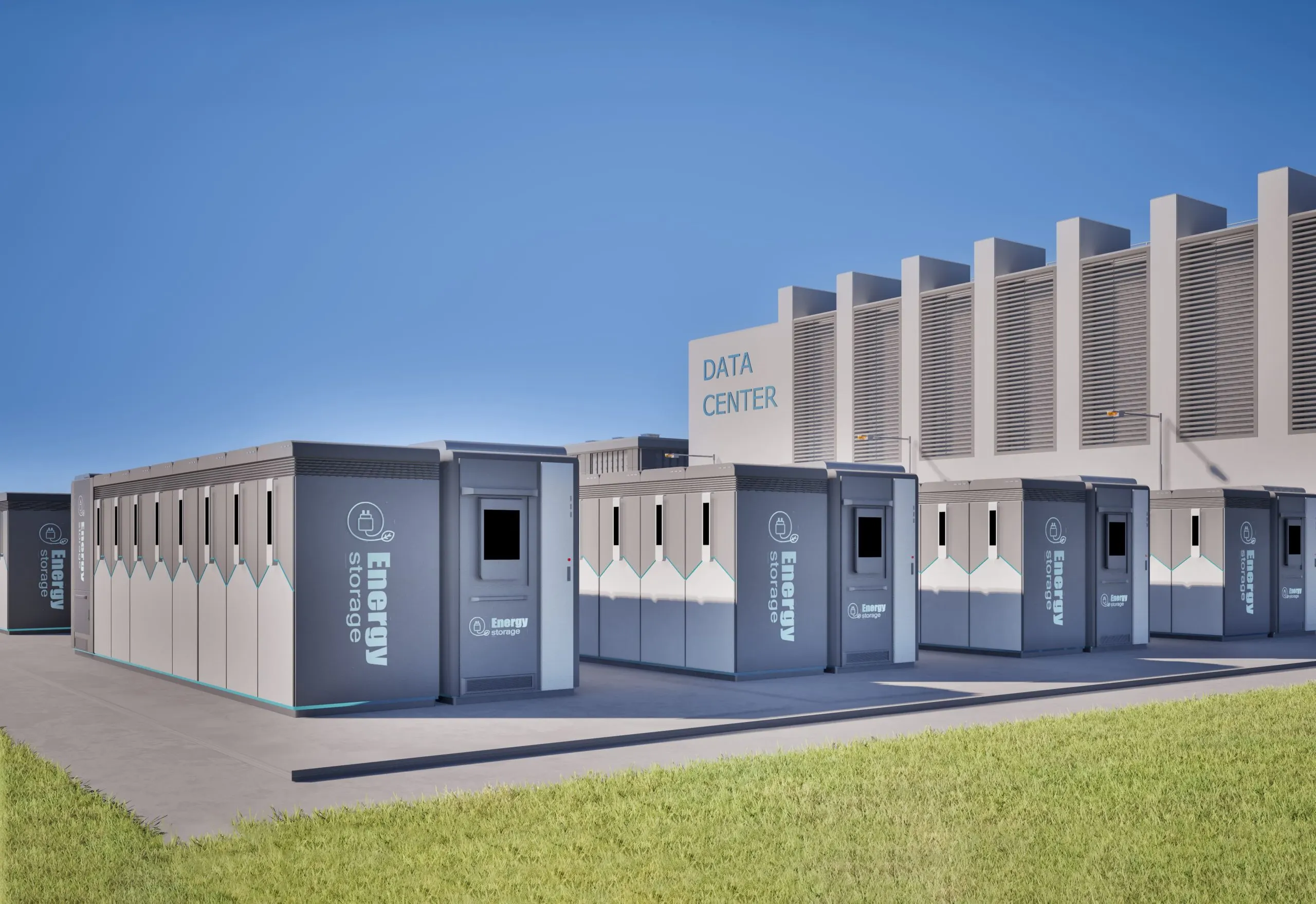
Nigeria battery energy storage system (BESS) market has moved from being a niche solution to something far more central to how power is consumed across the country. As of 2026, electricity supply still falls well short of demand, and for many businesses, outages are not occasional disruptions but part of daily operations. Diesel generators have long filled the gap, yet rising fuel costs and environmental concerns are nudging users toward alternatives. Battery storage, especially when paired with solar, is starting to make practical sense. It is no longer just about backup power, but about predictability and cost control.
What’s Driving the Battery Energy Storage Market in Nigeria?
Persistent Power Reliability Issues
For most Nigerian businesses, unreliable grid supply is more than an inconvenience. Manufacturing units, retail outlets, and even small offices often run parallel power systems to stay operational. In practice, this has meant heavy reliance on diesel generators, which are expensive to run and maintain. Battery storage offers a quieter and cleaner substitute, particularly for daytime operations when paired with solar panels. Over time, many commercial users are finding that hybrid systems reduce fuel expenses and operational headaches. The shift is gradual, but clearly visible in urban centers like Lagos and Abuja.
Expansion of Solar and Mini-grid Projects
Solar adoption is picking up pace, especially in areas where grid extension is not economically viable. Rural electrification programs and privately funded mini-grids are becoming more common, and almost all of them rely on storage to function effectively after sunset. Without batteries, solar remains limited to daylight hours, which is not practical for communities or small businesses. On the ground, developers are bundling solar panels with storage as a single offering, rather than treating them as separate components. This bundled approach is quietly reshaping how energy access is delivered in underserved regions.
Improving Economics of Battery Technology
Battery costs have not dropped overnight, but the downward trend is enough to change purchasing decisions. Lithium-ion technology, once considered too expensive for widespread use in Nigeria, is now entering mid-sized commercial setups and even some residential applications. Better cycle life and improved efficiency are making the investment easier to justify. That said, affordability remains relative. For many smaller users, upfront cost is still a hurdle, but financing models and pay-as-you-go systems are beginning to bridge that gap.
Government-Led Initiatives
Public sector involvement has played a meaningful role, even if progress sometimes feels uneven. Programs under the Rural Electrification Agency and the Nigeria Electrification Project have brought solar-plus-storage systems to communities that previously had little to no access to electricity. These initiatives often rely on blended financing, combining government support with international funding. While policy clarity around energy storage is still evolving, the direction is clear. Reducing dependence on diesel and expanding clean energy access remain high on the agenda.
Market Competition
The competitive landscape is a mix of global technology providers and local integrators who understand ground realities better. Companies such as Tesla Energy, Huawei Digital Power, and Schneider Electric bring advanced technology and large-scale experience. At the same time, local players often win projects because they can navigate logistics, installation challenges, and customer expectations more effectively. Partnerships between these groups are becoming common, as neither side can fully address the market alone.
High Initial Investment Costs
One challenge that continues to slow adoption is the upfront expense. Even with declining battery prices, the initial investment for a complete solar-plus-storage system can be significant. For small businesses and households, this often means sticking with familiar but inefficient diesel solutions. Access to financing is improving, but not yet widespread. Currency fluctuations also complicate matters, since most battery components are imported. In real terms, this creates uncertainty around pricing and return on investment, especially for first-time buyers.
Future Outlook
Looking ahead, battery storage is likely to become a standard feature rather than a premium add-on in Nigeria power landscape. Growth will not be perfectly smooth, but the direction is difficult to ignore. Commercial and industrial users are expected to lead adoption, driven by the need for cost stability and operational continuity. Rural electrification efforts will continue to rely heavily on storage-backed solar systems. Over time, financing models such as leasing and energy-as-a-service could make these systems accessible to a broader base. There is also a strong possibility of local assembly or partial manufacturing emerging, which could ease cost pressures. By 2035, Nigeria may not eliminate its power challenges entirely, but battery storage will likely play a central role in how those challenges are managed.
Consultants at Nexdigm, in their latest publication “Nigeria Battery Energy Storage System Market Outlook to 2035,” analyzed the market by Battery Type (Lithium-ion, Lead-acid, Others), By Application (Residential, Commercial & Industrial, Utility-scale, Mini-grids), and By End-User (Urban, Rural, Industrial Clusters). Nexdigm suggests that companies focus on flexible financing, strong local partnerships, and solutions tailored to real usage patterns rather than one-size-fits-all offerings.
To take the next step, simply visit our Request a Consultation page and share your requirements with us.
Harsh Mittal
+91-8422857704