
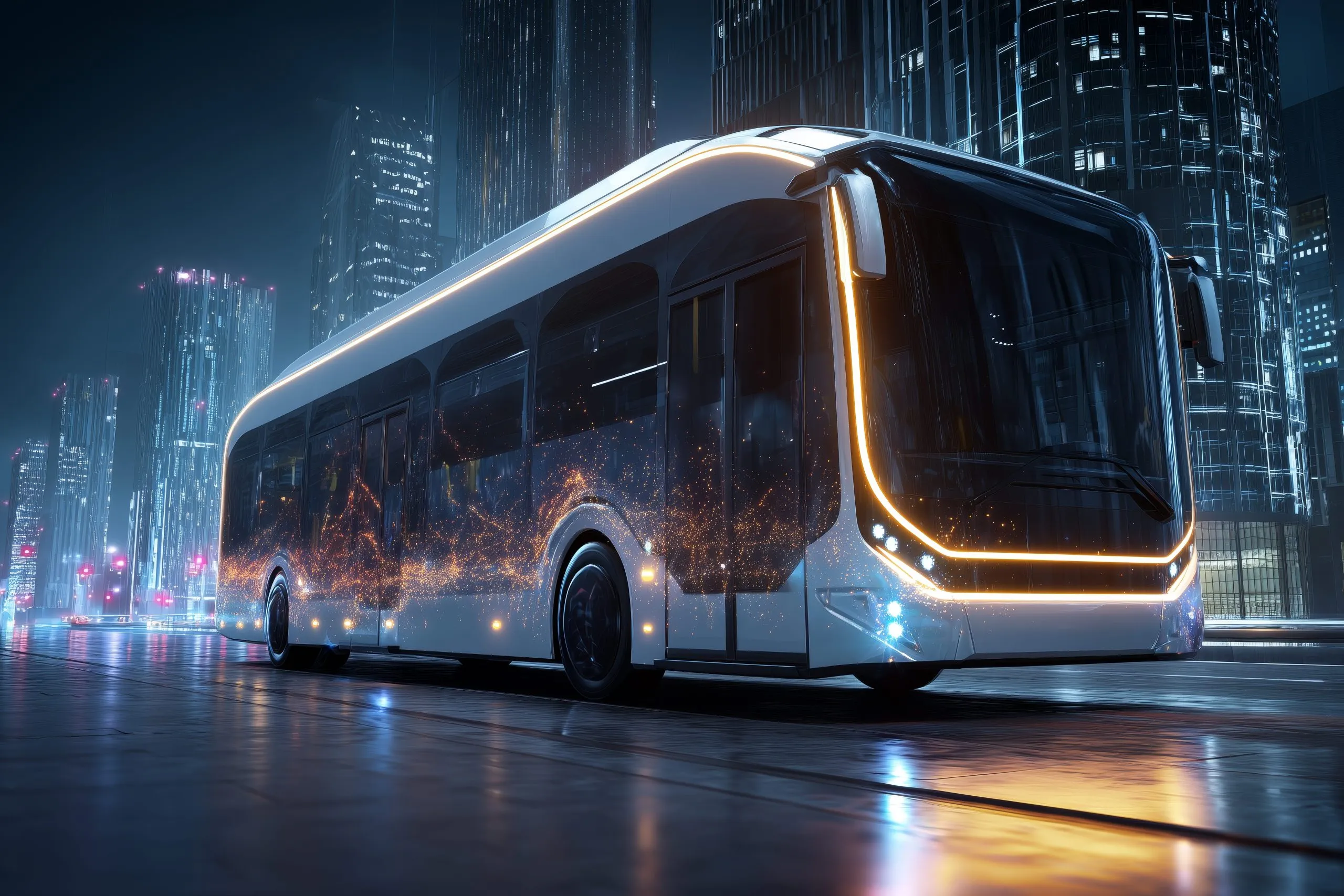
Nigeria’s transport landscape still leans heavily on diesel-powered buses, especially across busy corridors in Lagos and Abuja. Yet, a quiet shift has begun. Electric buses, once seen as impractical for local conditions, are slowly entering conversations among policymakers and transit operators. As of 2026, adoption remains limited to pilot programs and small fleet trials, but the intent is clear. Rising fuel costs, worsening air quality, and pressure to meet climate commitments are nudging the country toward cleaner alternatives. The transition will not happen overnight, but the direction is increasingly hard to ignore.
What’s Driving the Electric Bus Market in Nigeria?
Urban Congestion and Public Transport Gaps
Nigeria’s cities are expanding faster than their transport systems can handle. Lagos offers a clear example, where long commute times and traffic bottlenecks are part of daily life. Traditional diesel buses add to both congestion and pollution. Electric buses, particularly within structured systems like Bus Rapid Transit lanes, offer a cleaner and quieter option. In practice, they also improve passenger experience with less noise and smoother rides. For city authorities trying to modernize transit without expanding road networks endlessly, electrification presents a practical alternative rather than just an environmental statement.
Pressure from Fuel Costs and Operating Economics
Fuel pricing in Nigeria has become unpredictable, especially following subsidy reforms. Transport operators now face tighter margins, and many are rethinking long-term cost structures. Electric buses come with a higher purchase price, which often deters first-time buyers. Still, when operators look beyond the initial expense, the lower running costs start to make sense. Electricity, even with grid inconsistencies, tends to be cheaper than diesel over time. Maintenance is another factor. Fewer moving parts mean fewer breakdowns, which matters a lot for fleets that run almost continuously.
Technology Improvements and Practical Viability
A few years ago, concerns around battery life and charging time made electric buses seem unrealistic for Nigerian conditions. That perception has started to change. Battery technology has improved, offering longer ranges and better performance in hot climates. Some newer models can handle full-day routes with planned charging intervals. Charging infrastructure remains limited, but pilot projects have shown that depot-based charging can work for structured routes. On the ground, operators are beginning to see that the technology is not as fragile as once assumed.
Government-Led Initiatives
Public policy around electric mobility in Nigeria is still evolving, but early steps are visible. Lagos State, for instance, has introduced pilot electric buses within its public transport network. These trials are not just symbolic; they provide real data on performance, costs, and passenger response. At the federal level, discussions around import duty reductions and incentives for electric vehicles are gaining traction. There is also growing interest in local assembly, partly to reduce dependence on imports and partly to create jobs. International development agencies have stepped in as well, offering funding support for clean transport projects. While policies are not yet fully defined, the groundwork is being laid.
Market Competition
The competitive landscape remains relatively open. A handful of international manufacturers have entered through partnerships or pilot programs, often working directly with state governments. At the same time, local firms are exploring assembly and charging solutions, though most are still in early stages. What stands out is the collaborative nature of the market so far. Instead of aggressive competition, there is more emphasis on partnerships and experimentation. That may change as the market matures and demand becomes more predictable. For now, being an early participant often matters more than scale.
Infrastructure and Financing Challenges
One major hurdle continues to slow adoption. Charging infrastructure is still sparse, and electricity supply can be unreliable in many areas. For fleet operators, this creates uncertainty around daily operations. Financing adds another layer of complexity. Electric buses require significant upfront investment, and access to affordable credit remains limited. Many operators simply cannot justify the switch without subsidies or leasing options. Until these gaps are addressed, large-scale adoption will remain gradual rather than rapid.
Future Outlook
Looking ahead, electric buses are likely to become more visible across Nigeria’s major cities, though growth will come in phases. Larger urban centers will lead the transition, supported by structured transit systems and better infrastructure. Over time, local assembly could reduce costs and make electric buses more accessible to private operators. There is also potential for integrating solar energy into charging solutions, especially in regions with strong sunlight. That said, progress will depend heavily on execution. Policies need to move beyond announcements into clear, actionable frameworks. Financing models such as leasing or pay-per-use could make a significant difference on the ground. If these pieces come together, Nigeria could build a transport system that is not only cleaner but also more cost-efficient in the long run.
Consultants at Nexdigm, in their latest publication “Nigeria Electric Bus Market Outlook to 2035,” analyze the market by Bus Type (Battery Electric Bus, Plug-in Hybrid Bus), By Application (Public Transit, Institutional Transport, Private Fleet Operators), and By Power Source (Grid-Connected Charging, Solar-Assisted Charging). Nexdigm suggests that companies entering this space focus on practical solutions such as local partnerships, flexible financing, and reliable after-sales support rather than relying purely on technology advantages.
To take the next step, simply visit our Request a Consultation page and share your requirements with us.
Harsh Mittal
+91-8422857704