
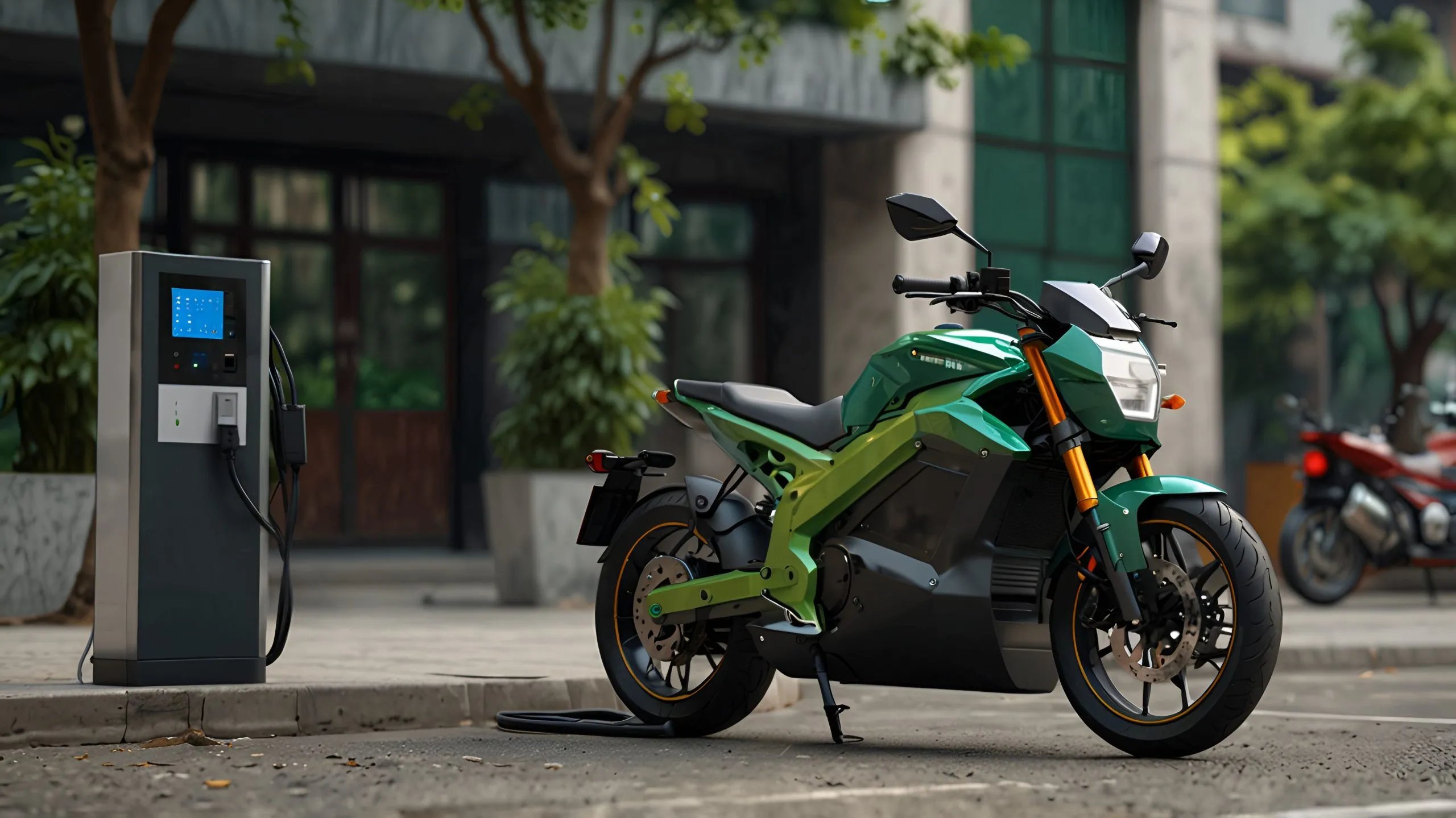
Nigeria electric two-wheeler market is beginning to take shape as mobility patterns shift and cost pressures reshape how people move within cities. As of 2026, petrol-powered motorcycles still dominate the streets, particularly for commercial transport. Yet the economics are changing. Fuel subsidy removals have pushed operating costs higher, and many riders are actively looking for alternatives that protect daily earnings. Electric two-wheelers have entered this conversation, not as a futuristic concept but as a practical option in certain use cases. Early adoption remains limited, though pilot programs and fleet deployments suggest that momentum is quietly building rather than exploding overnight.
What’s Driving the Electric Two-Wheeler Market in Nigeria?
Rising Fuel Costs and Daily Economics
For commercial riders, fuel is the single biggest expense. When petrol prices surged, profit margins narrowed almost immediately. Electric motorcycles offer a different cost structure. Charging expenses, even with inconsistent power supply, tend to be lower than daily fuel spending. Riders who have tested electric models often point out that maintenance is simpler as well fewer moving parts mean fewer breakdowns. Still, the upfront cost remains a sticking point. Many riders hesitate unless financing options are available, which explains why pay-as-you-go models are gaining attention.
Urban Mobility Pressure and Congestion Realities
Cities like Lagos are already stretched when it comes to transport infrastructure. Traffic congestion is not just an inconvenience, it shapes how people choose to travel and work. Two-wheelers have long filled the gap for quick, flexible transport. Electric variants fit naturally into this pattern. They are quieter, easier to operate in dense areas, and suitable for short, repetitive routes. In practice, delivery riders and commuters navigating narrow streets see immediate benefits. Yet adoption tends to cluster in specific neighborhoods where charging or swapping access is available, rather than spreading evenly across the city.
E-commerce and Last-Mile Delivery Demand
Online retail and food delivery services have expanded steadily across Nigerian cities. This has created a consistent need for reliable last-mile transport. Electric two-wheelers make sense for these operations because routes are predictable and daily mileage can be planned. Fleet operators, in particular, are more willing to experiment since they can calculate cost savings over time. Some companies are already pairing electric bikes with battery swapping stations to reduce downtime. That said, scaling beyond pilot fleets requires significant coordination, especially around infrastructure and financing.
Government-Led Initiatives
Public policy around electric mobility in Nigeria is still evolving, and progress has been uneven. There have been discussions about reducing import duties on electric vehicles and encouraging local assembly, but implementation has been gradual. A few state-level initiatives have explored cleaner transport options, often tied to broader sustainability goals. On paper, the direction looks promising. On the ground, businesses often move faster than policy. Private players have taken the lead in testing business models, while regulators are still catching up in terms of clear frameworks and incentives.
Market Competition
The competitive landscape remains relatively open, with a mix of startups and mobility platforms experimenting with different approaches. Companies like MAX and Opibus are among the more visible players, focusing on fleet deployments rather than individual ownership. Their strategies revolve around lowering entry barriers for riders through leasing or subscription models. Some firms are investing heavily in battery swapping networks, while others are betting on direct charging solutions. No single model has clearly won yet, which makes the market interesting but also somewhat fragmented.
Limited Charging and Power Reliability
A common challenge is the state of electricity supply. Charging an electric vehicle requires consistency, something Nigeria grid does not always provide. Riders cannot afford downtime, so any uncertainty around charging becomes a serious concern. Battery swapping offers a workaround, but building and maintaining those stations requires capital and coordination. There is also the question of battery lifespan and replacement costs, which can affect long-term affordability. Until infrastructure becomes more dependable, adoption will likely remain concentrated in controlled fleet environments rather than widespread individual use.
Future Outlook
Looking ahead, the market has room to grow, though the pace will likely be uneven. Adoption will probably start with commercial fleets, where cost savings are easier to measure and manage. Over time, as battery prices decline and local assembly picks up, individual ownership could become more viable. By 2035, electric two-wheelers may form a noticeable share of new sales in major cities, particularly in delivery and ride-hailing segments. What stands out is that Nigeria does not need perfect conditions for this transition to begin. Even partial solutions such as localized charging hubs or hybrid financing models can unlock demand in specific pockets. The real shift may come from small, practical improvements rather than sweeping nationwide changes.
Consultants at Nexdigm, in their latest publication “Nigeria Electric Two-Wheeler Market Outlook to 2035,” analyzed the market by Vehicle Type (Electric Motorcycles, Electric Scooters), By Battery Type (Lithium-ion, Lead-acid), By Application (Personal Use, Commercial/Delivery, Ride-Hailing), and By Business Model (Outright Purchase, Leasing, Battery Swapping). Nexdigm suggests that companies focus on cost reduction through local assembly, invest selectively in charging or swapping infrastructure, and design financing models that align with daily income patterns of riders.
To take the next step, simply visit our Request a Consultation page and share your requirements with us.
Harsh Mittal
+91-8422857704