
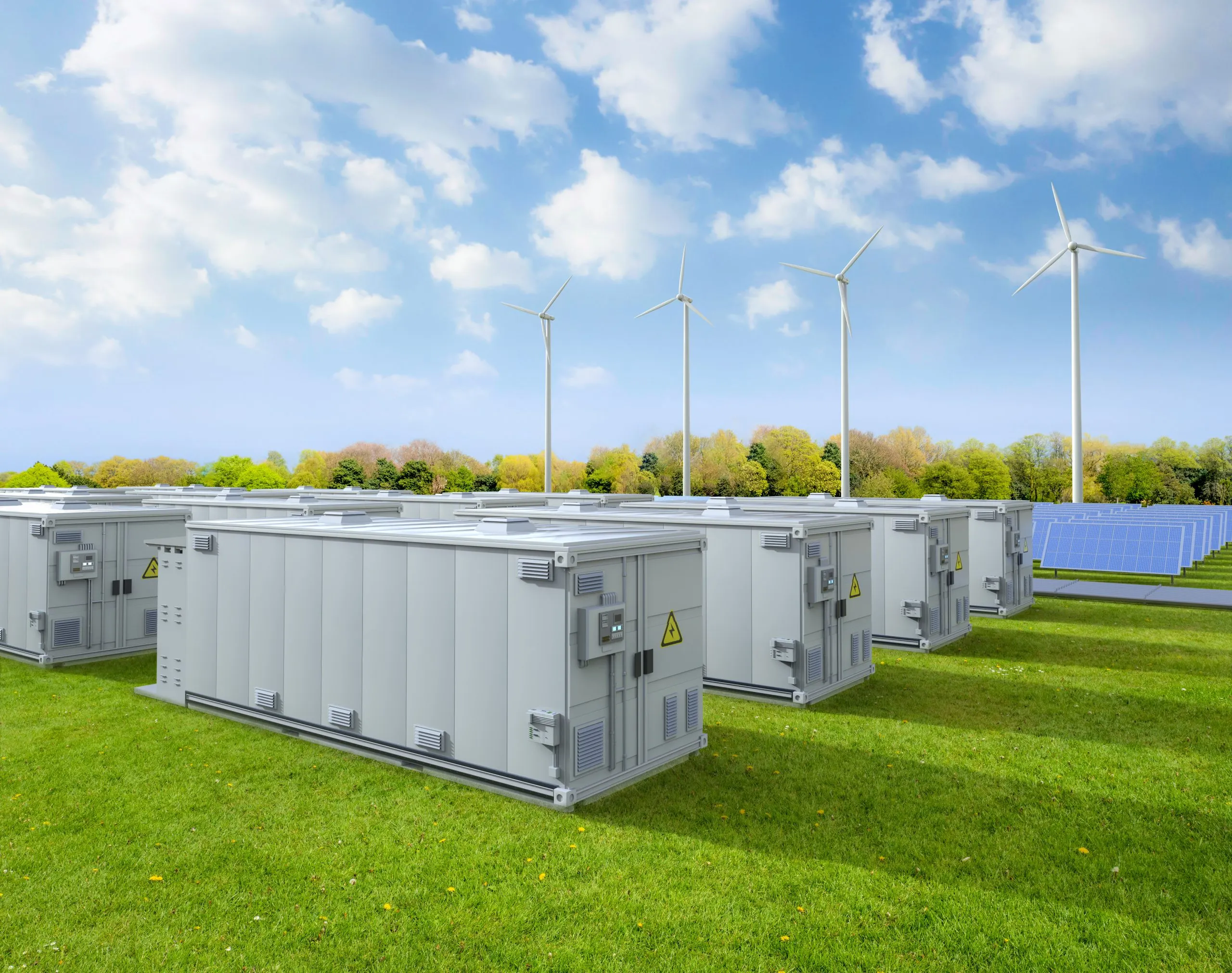
As Nigeria strides toward a more sustainable energy future, energy storage is emerging as a crucial element to address challenges related to grid reliability, renewable energy integration, and expanding electricity access. The growing role of energy storage systems (ESS) is set to stabilize power supplies, especially with the increasing adoption of solar and wind energy. The global energy storage market is expected to grow at a 15% CAGR in the coming years, and Nigeria, with its vast renewable resources, is poised to benefit from this global shift. As we move ahead, energy storage solutions will play a vital role in Nigeria’s energy transition, offering more reliable, cleaner energy across the nation.
Factors Driving Nigeria’s Growing Energy Market
Integrating Renewable Energy and Strengthening Grid Reliability
With Nigeria focusing on 30% renewable energy capacity in the coming years, the need to balance intermittent energy sources like solar and wind becomes increasingly critical. Energy storage provides an effective solution by storing excess energy during periods of high renewable generation and discharging it when generation drops. This storage capability not only ensures a more reliable power supply but also helps reduce reliance on fossil fuels, making the energy mix more sustainable. Additionally, integrating storage systems into Nigeria’s grid could address common issues of power outages and blackouts, ensuring a more stable energy supply nationwide.
Supporting Rural Electrification and Mini-Grid Projects
Energy storage has a unique potential to drive rural electrification, especially in areas far from the main grid. By pairing solar power with storage solutions, mini‑grids can operate independently, delivering reliable 24/7 electricity to communities without the need for expensive diesel generators. These mini‑grid systems can be scaled up cost‑effectively, providing affordable energy access to millions in rural Nigeria. The increasing deployment of such systems is supported by growing investments and technological advancements, making off‑grid energy storage a game‑changer for addressing energy poverty in underserved regions.
Managing Industrial Demand and Reducing Costs
As Nigeria’s industries continue to grow, managing energy costs and ensuring reliability have become top priorities. Businesses are increasingly turning to energy storage to optimize electricity usage, especially during peak demand hours when energy prices are highest. Storage systems help reduce reliance on expensive backup generators and offer companies a way to lower operational costs while improving power quality. As the Nigerian economy diversifies and industrial activity ramps up, energy storage will become an essential tool for businesses to ensure energy security and enhance their competitiveness in the market.
Government’s Role in Advancing Energy Storage Solutions in Nigeria
The Nigerian government has begun laying the groundwork for integrating energy storage into its long-term energy plans. Through initiatives such as the Renewable Energy Master Plan and commitments to its Nationally Determined Contributions (NDCs) under the Paris Agreement, there is growing recognition of storage’s role in achieving energy security and sustainability. The government is also exploring pilot programs and providing incentives to attract private investments in energy storage solutions, aiming to improve power reliability and meet the country’s energy access goals. However, there’s still much work to be done in terms of policy clarity and long-term support for the sector.
Competitive Insights of Nigeria’s Energy Storage Market
The energy storage market in Nigeria is seeing increasing participation from both local companies and international players. Energy developers are partnering with global storage technology providers to integrate ESS into renewable energy projects. Local firms are also actively working to adapt solutions that meet the specific needs of Nigeria’s energy landscape, including off-grid and hybrid systems. The competitive landscape is marked by growing interest from both multinational companies and startups, all eager to seize the opportunities created by Nigeria’s rapidly evolving energy market. However, competition remains intense as all players aim to secure early‑stage investments and technology partnerships.
Challenges Facing the Growth of Energy Storage in Nigeria
Infrastructure Gaps and High Initial Costs
While the potential for energy storage is immense, there are significant hurdles to widespread adoption. The high upfront costs associated with energy storage systems, particularly advanced battery technologies, remain a barrier to entry for many businesses and off‑grid projects. Additionally, Nigeria’s power grid infrastructure still requires significant investment to support large‑scale storage solutions. These challenges mean that energy storage adoption is often slow, particularly in rural or economically disadvantaged regions.
Uncertainty in Regulatory and Policy Frameworks
Another challenge is the uncertainty surrounding the regulatory environment for energy storage. While there are growing incentives for renewable energy projects, the policy framework for integrating energy storage remains unclear in many areas. A more defined regulatory framework, including clear guidelines for energy storage interconnections, tariffs, and energy market participation, is crucial to attracting the necessary investments and ensuring the long‑term success of energy storage systems in Nigeria. Without consistent and supportive policies, energy storage solutions may not reach their full potential.
Future Outlook
As we move ahead, Nigeria’s energy storage market is expected to grow exponentially as renewable energy resources expand, and grid modernization accelerates. The combination of falling battery prices, better storage technologies, and more favorable policies will make energy storage more affordable and accessible to a broader range of users, from large-scale utilities to rural mini grids. As storage systems become more integrated with smart grids and digital technologies, the ability to manage energy flows efficiently will greatly improve. With the right investments and regulatory support, Nigeria’s energy storage market could transform the country’s power sector, making electricity more reliable, sustainable, and accessible to millions of Nigerians.
Consultants at Nexdigm, in their latest publication Nigeria Energy Storage Market Outlook to 2035 analyze the sector by Fitment Type (Cloud based platforms, Web based platforms, Integrated platforms, Mobile Storage Solutions, On premise Solutions), by End User segment (Energy and Utilities, Transportation and Mobilities, Government and Public Services).
Nexdigm suggests that businesses should strategically invest in energy storage solutions to capitalize on Nigeria’s growing renewable energy market. By integrating advanced storage technologies, businesses can enhance energy efficiency, reduce reliance on the grid, and manage intermittent renewable power sources like wind and solar. Embracing energy storage will not only help businesses meet sustainability goals but also ensure long-term cost savings and resilience in the face of Nigeria’s ambitious clean energy transition.
To take the next step, simply visit our Request a Consultation page and share your requirements with us.
Harsh Mittal
+91-8422857704