
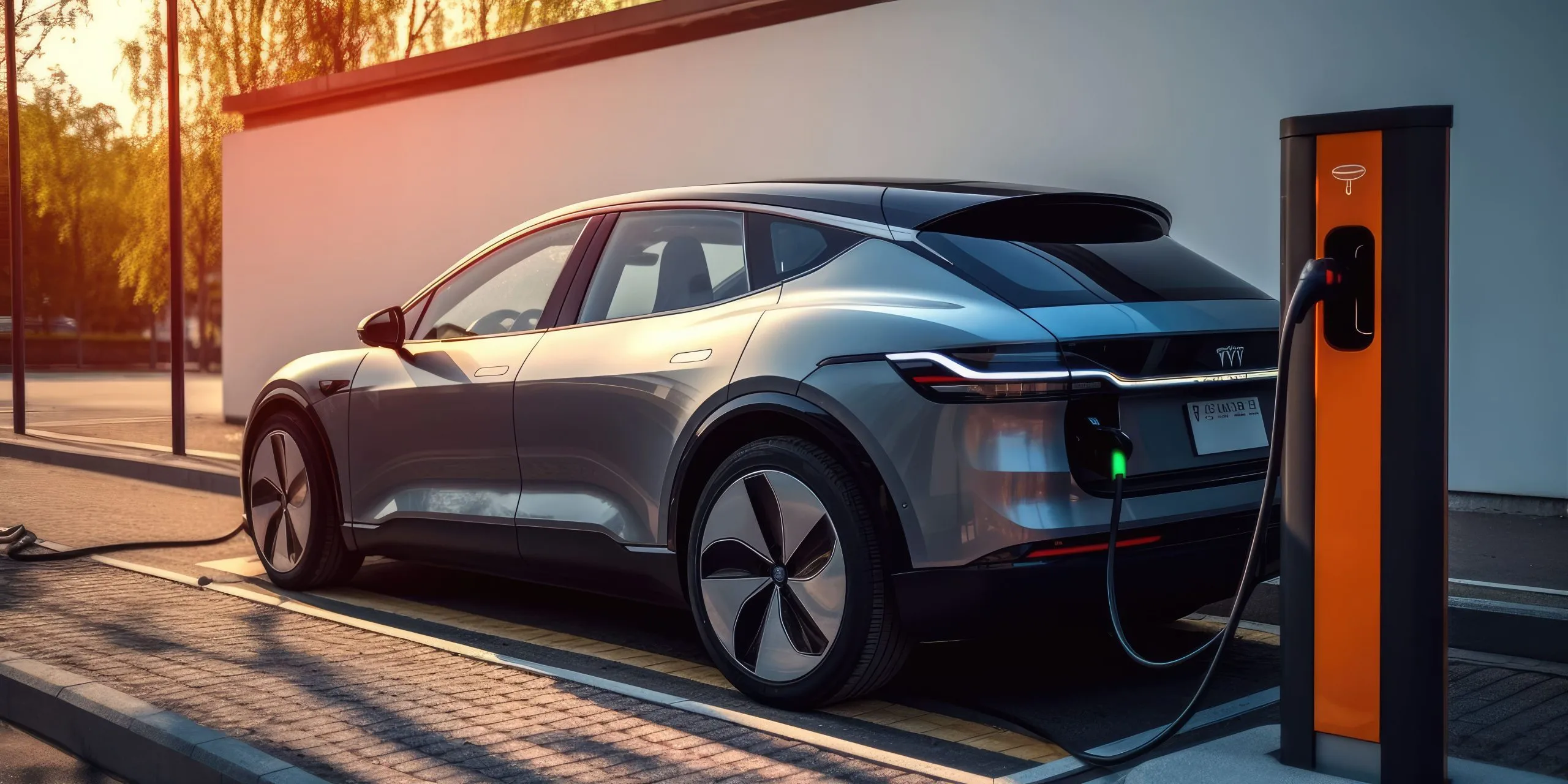
Nigeria’s EV battery market sits at an interesting crossroads. Electric mobility is still far from mainstream in 2026, yet the early signals are hard to ignore. Rising fuel prices, frequent supply disruptions, and growing awareness around air pollution have started to shift conversations, especially in large cities. At the same time, Nigeria holds reserves of lithium and other key minerals, which adds a layer of long-term potential that many emerging markets lack. On the ground, though, the picture is mixed. Most EV batteries are still imported, and local manufacturing remains at a very early stage. A handful of pilot projects and private investments are testing the waters, but scale is limited. Even so, the direction of travel is clear. Interest is building steadily, and the next decade could bring meaningful change if policy and infrastructure begin to align.
What’s Driving the EV Battery Market in Nigeria?
Fuel Price Pressures and Cost Sensitivity
Fuel subsidy reforms have reshaped the economics of transportation in Nigeria. Petrol and diesel are no longer as affordable as they once were, and this has forced both individuals and fleet operators to reconsider long-term costs. Electric vehicles, while expensive upfront, offer lower operating expenses over time. That trade-off is starting to resonate, particularly with commercial users such as delivery fleets and ride-hailing drivers who feel fuel price volatility the most. Batteries, as the core cost component, naturally sit at the center of this shift.
Urban Mobility Challenges and Pollution Concerns
Cities like Lagos face daily congestion, long commute times, and declining air quality. In practice, this creates a strong case for cleaner and more efficient transport solutions. Electric buses and two-wheelers are beginning to appear in pilot programs, often supported by private investors or development agencies. These deployments are still small, but they highlight a practical use case where EV batteries become essential. The demand is not theoretical anymore, it is tied to real urban problems that need solving.
Local Mineral Advantage and Supply Chain Potential
Nigeria’s lithium deposits have attracted growing attention over the past few years. While mining activity is still developing, the country has an opportunity to move beyond raw material exports and into processing or even partial battery manufacturing. That said, turning mineral wealth into industrial capability is not straightforward. It requires infrastructure, technical expertise, and stable policy direction. Still, compared to many other African markets, Nigeria starts with a tangible advantage that could shape its role in the global battery supply chain.
Government-Led Initiatives
Government involvement has been gradual rather than aggressive. The National Automotive Industry Development Plan has laid some groundwork for local vehicle assembly, and there are ongoing discussions around integrating electric vehicles into this framework. Import duty adjustments for EV components have been floated as a way to lower entry barriers, though implementation has been uneven. There is also a broader push toward renewable energy, which indirectly supports battery adoption. Solar mini-grids and off-grid power solutions often rely on battery storage, creating adjacent demand. Still, one gets the sense that policy remains reactive rather than proactive. A clearer, dedicated EV roadmap would likely accelerate progress significantly.
Market Competition
At present, competition in Nigeria’s EV battery market is shaped largely by imports. Chinese manufacturers dominate supply, offering relatively affordable lithium-ion batteries that suit early-stage markets. European players are present as well, typically at a higher price point and often tied to specific vehicle brands. Local companies have yet to establish a strong manufacturing base. Most operate as distributors, assemblers, or service providers. A few startups are experimenting with battery swapping models, particularly for electric bikes and small commercial vehicles. These models make sense in a market where upfront costs remain a barrier, though scaling them requires reliable infrastructure and consistent demand.
High Import Dependency and Infrastructure Constraints
One of the most pressing challenges is the heavy reliance on imported battery technology. Nearly every EV battery in use today comes from abroad, which exposes the market to currency fluctuations, shipping costs, and supply delays. This keeps prices high and limits accessibility. Infrastructure presents another hurdle. Charging networks are sparse, and Nigeria’s power supply can be inconsistent. In practice, this means EV users often rely on alternative solutions such as home charging with backup generators or solar systems. That adds complexity and cost, which slows adoption. Without improvements in both grid reliability and public charging availability, growth will remain gradual rather than rapid.
Future Outlook
Looking ahead, the Nigeria EV battery market will likely expand in phases rather than through a sudden surge. Early growth will come from niche segments such as electric two-wheelers, urban fleets, and energy storage applications tied to solar power. These use cases require smaller battery capacities and offer quicker payback periods, making them more viable in the near term. By the early 2030s, local assembly of battery packs could become more common, especially if mineral processing capabilities improve. Full-scale manufacturing may take longer, but incremental progress is realistic. At the same time, business models such as battery leasing and swapping could gain traction, particularly in dense urban areas where convenience matters as much as cost.
Consultants at Nexdigm, in their study “Nigeria EV Battery Market Outlook to 2035,” suggest that companies entering this space should focus less on large-scale manufacturing at the outset and more on building reliable supply chains, service networks, and partnerships with mobility providers. Over time, those foundations could prove more valuable than rushing into capital-intensive production.
To take the next step, simply visit our Request a Consultation page and share your requirements with us.
Harsh Mittal
+91-8422857704