
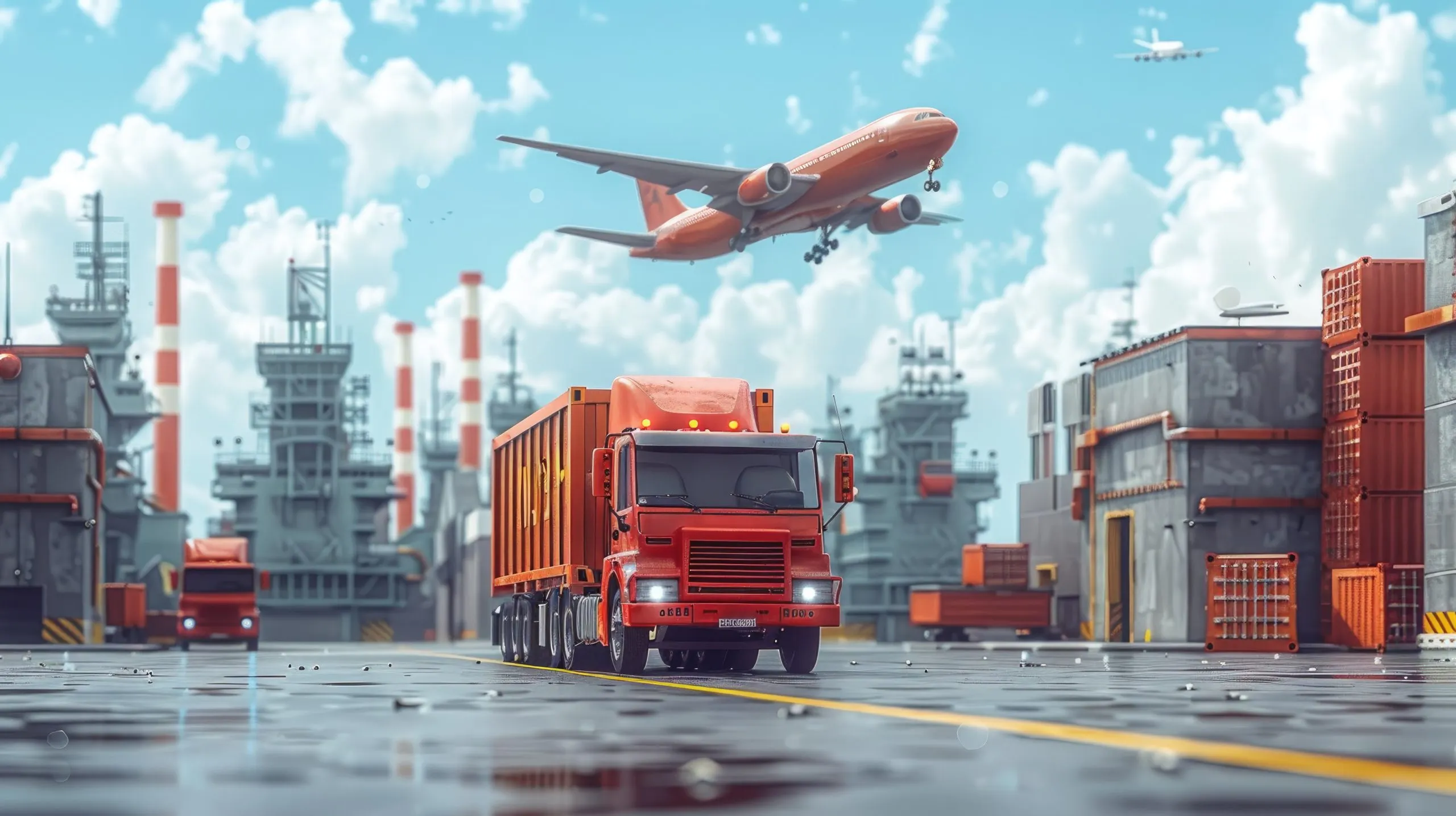
The freight forwarding market in Nigeria is on the rise, driven by the growth of e-commerce, the increasing need for efficient supply chains, and ongoing improvements in infrastructure. As Nigeria continues to expand its presence in global trade, freight forwarding is becoming more critical for businesses looking to transport goods quickly and reliably. In the coming years, the market is expected to reach $15 billion, reflecting the country’s evolving logistics landscape. With the government’s focus on infrastructure and the rise of digital trade, the market holds great potential for businesses looking to capitalize on Nigeria’s position as a West African trade hub.
Key Factors Fuelling the Growth of Nigeria’s Freight Forwarding Market
E-Commerce platform growing demand for fast deliveries
E-commerce in Nigeria is booming. As more consumers shop online, particularly in cities like Lagos and Abuja, the demand for fast, reliable delivery is driving the growth of freight forwarding. The e-commerce market is growing steadily, and this is creating pressure on logistics companies to provide faster delivery services. To meet customer expectations, businesses are increasingly relying on freight forwarding companies to manage imports, exports, and final delivery, making it a key driver of market growth.
Trade and Manufacturing Boom
Nigeria’s role as a regional trade and manufacturing hub is expanding, and this is fueling the need for efficient freight forwarding services. As the government focuses on industrialization and global trade, sectors such as oil, agriculture, and manufacturing are growing rapidly. This expansion means more goods are being transported across borders, both into and out of the country. Freight forwarding services are crucial for the movement of raw materials, finished products, and exports, and demand for these services will continue to rise as Nigeria strengthens its industrial base.
Better Infrastructure
Nigeria is investing heavily in its transport and logistics infrastructure, and it’s starting to pay off. Projects like the Lagos-Calabar Coastal Railway and the expansion of ports and airports are improving the movement of goods across the country and beyond. As roads and railways improve and port congestion decreases, freight forwarders will be able to move goods faster and more cost-effectively. These developments help businesses save time and reduce operational costs, positioning Nigeria as a more competitive player in the global logistics market.
Nigerian Government’s Support to boost the Freight Forwarding Market
The Nigerian government is playing an active role in boosting the freight forwarding market through several key initiatives. The Nigerian government’s strategic policy focuses on improving road, rail, and port infrastructure, which is essential for smoother freight movement. Additionally, the government is working to modernize customs procedures and reduce bottlenecks in the clearance process, making it easier for goods to flow through Nigerian borders. These efforts are creating a more business-friendly environment for freight forwarders, reducing delays and costs in the process.
Competitive Landscape of Nigeria’s Freight Forwarding Market
Nigeria’s freight forwarding market is competitive, with a blend of international and local players. Large global firms like DHL and Kuehne plus Nagel have a strong presence, offering comprehensive logistics services across borders. However, local companies like GIG Logistics and Red Star Express are also thriving, offering more affordable and flexible solutions for domestic and regional freight forwarding. These local companies are leveraging technology and local expertise to meet Nigeria’s growing logistics needs. As competition heats up, innovation and customer service will be key differentiators in this market.
Challenges to Overcome in Nigeria’s Freight Forwarding Market
Infrastructure Gaps such as Roads, Ports, and Beyond
Despite the improvements, Nigeria’s infrastructure still faces challenges. Poor road conditions, heavy traffic congestion in urban areas, and port bottlenecks can slow down the movement of goods, adding extra costs and delays. While investments in infrastructure are ongoing, businesses need to plan for these challenges by adopting alternative solutions like route optimization and better coordination with local authorities.
Regulatory Roadblocks
Navigating Nigeria’s complex customs procedures can be a hurdle for freight forwarders. Delays in clearing goods, unpredictable regulations, and high tariffs can disrupt the flow of products. For businesses to succeed in the market, they need to stay informed about regulatory changes and collaborate closely with authorities to ensure smoother, more efficient operations.
Future Outlook
As Nigeria’s economy continues to grow, the freight forwarding market is set to experience even more robust expansion. With e-commerce projected to continue its upward trajectory and government initiatives improving infrastructure, the market is rapidly expanding. This growth will be driven by advancements in logistics technology, faster delivery expectations, and increasing trade volume. Businesses that embrace innovation, focus on customer service, and collaborate with the government on infrastructure development will have the opportunity to thrive in this evolving market. The future of freight forwarding in Nigeria holds exciting potential for both local and international players in the logistics sector.
Consultants at Nexdigm, in their latest publication Nigeria Freight Forwarding Market Outlook 2030, analyze the sector by Fitment Type (Domestic Freight Forwarding Services, International Freight Forward Services and Project Cargo Freight Services), by End User Segment (Oil and Gas Companies, Manufacturing and Industrial Companies, Retail and E Commerce Companies). Oil and Gas Companies, Manufacturing and Industrial Companies, Retail and E Commerce Companies).
Nexdigm suggests that businesses should explore partnerships with both government initiatives and local infrastructure developers to stay ahead of the curve as Nigeria’s logistics landscape continues to evolve. Adapting to regulatory changes and leveraging innovative delivery solutions will also be crucial for businesses to stay competitive in the growing Nigerian freight forwarding market.
To take the next step, simply visit our Request a Consultation page and share your requirements with us.
Harsh Mittal
+91-8422857704