
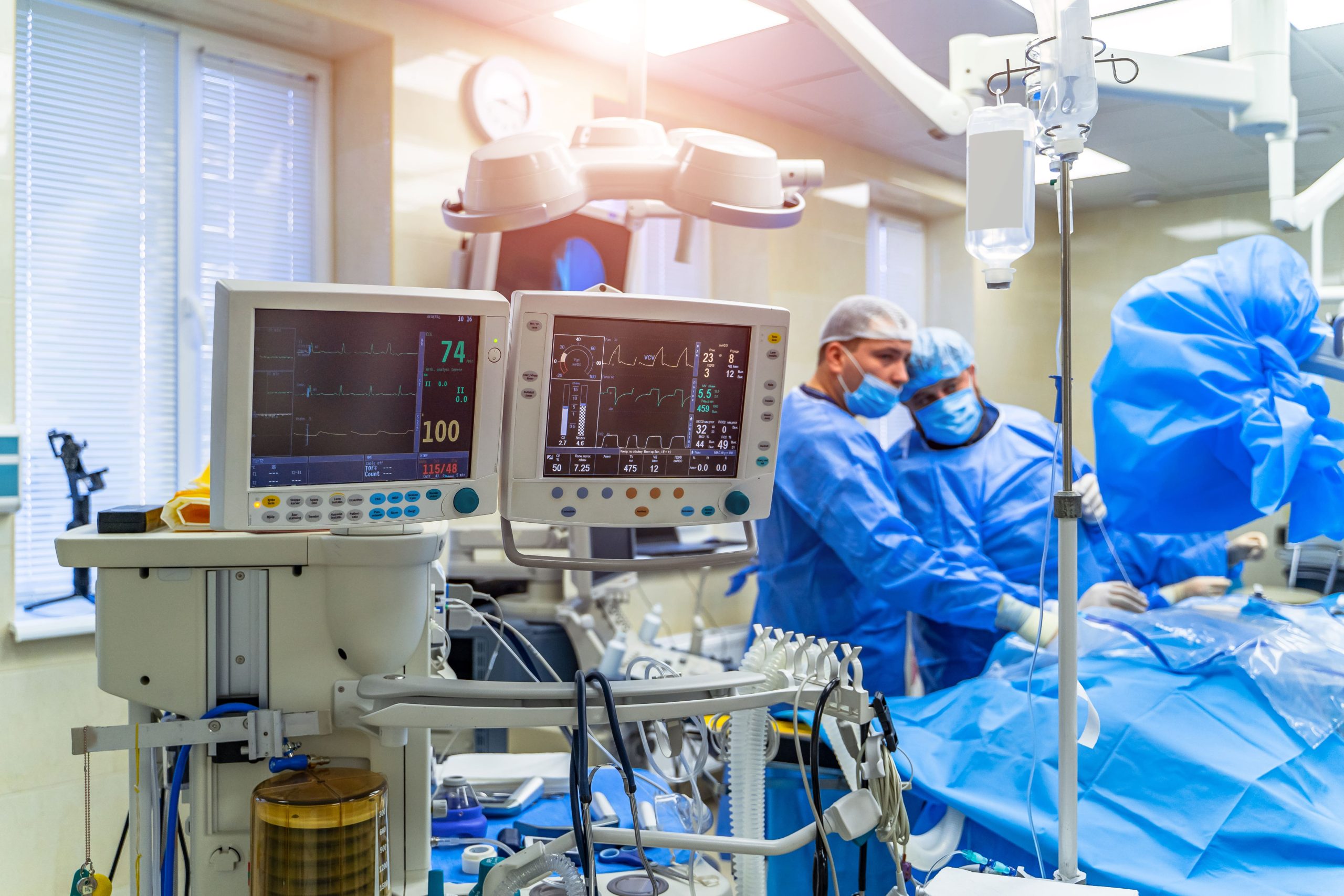
Nigeria’s medical devices market is at an interesting turning point. For years, the country has depended heavily on imported diagnostic machines, surgical tools, patient monitors, and hospital consumables. That pattern has not disappeared, but the conversation is beginning to shift. Hospitals are under pressure to modernize, private investors are paying closer attention to healthcare, and policymakers are becoming more vocal about local manufacturing and healthcare access. By 2025, Nigeria remained one of the largest healthcare opportunity markets in Africa simply because of its scale. A population of over 220 million, uneven healthcare access, and a rising burden of chronic illness mean demand is no longer limited to major tertiary hospitals. From urban diagnostic centers in Lagos to mid-sized private hospitals in Abuja and Port Harcourt, demand for better equipment is becoming more visible. The market still has structural gaps, but the long-term direction is hard to ignore.
What’s Driving the Medical Devices Market in Nigeria?
Rising Chronic Disease Burden and Population Pressure
Nigeria’s healthcare needs are changing. Infectious diseases still matter, but hospitals are also seeing more cases of hypertension, diabetes, kidney disease, stroke, and cancer. That shift matters because chronic care depends on equipment, not just medicine. Blood analyzers, infusion pumps, ECG machines, dialysis systems, and imaging devices all become more important when treatment is ongoing rather than episodic. In practice, this means healthcare providers can no longer operate with minimal equipment and expect acceptable outcomes. A common challenge is that many facilities still manage rising patient volumes with outdated or poorly maintained machines. That mismatch is quietly expanding the market for replacement and upgrade purchases.
Expansion of Private Healthcare Infrastructure
A large part of the real momentum is coming from the private side. Public hospitals remain essential, but private hospitals and specialist clinics are often moving faster when it comes to procuring newer devices. In cities such as Lagos and Abuja, private providers are investing in imaging systems, theatre equipment, fertility care devices, and intensive care units to attract higher-income patients who might otherwise seek treatment abroad. This trend also reflects a practical business reality. Better equipment often means better margins. A hospital with in-house CT imaging or advanced diagnostics can capture more revenue per patient while reducing referrals. That is one reason device demand tends to cluster around urban healthcare corridors first before gradually filtering into secondary cities.
Digital Health and Smarter Diagnostics
Another shift worth watching is the gradual uptake of digitally connected equipment. Nigeria is not rolling out AI-powered medicine at the same pace as wealthier markets, but there is visible movement in radiology, pathology, and remote diagnostics. Telemedicine platforms and portable screening tools are becoming more relevant, especially where specialist access is limited. On the ground, this matters most in diagnostics. If a clinician in a smaller city can share scans or pathology data with specialists elsewhere, care quality improves even without a full specialist team onsite. The upside is clear. The trade-off, though, is that digital adoption only works when connectivity, training, and maintenance keep pace.
Government-Led Initiatives
Government support has been uneven, but not absent. Nigeria’s broader health sector reforms, including efforts tied to universal health coverage and expanded primary care, are creating a stronger case for device procurement across public facilities. Regulatory oversight has also improved gradually, which matters in a market where product quality can vary sharply. There is also growing interest in local assembly and manufacturing. Whether that becomes a meaningful industrial base is still open to debate. Low-end consumables and basic equipment may be realistic starting points. High-end imaging and critical care systems are far more difficult to localize quickly. Still, even modest local capacity could reduce import exposure over time.
Market Competition
The Nigeria medical devices market remains moderately fragmented. Global brands such as GE Healthcare, Siemens Healthineers, Philips Healthcare, and Medtronic maintain a strong presence, largely through distributors and local channel partners. Their advantage is clear: brand trust, clinical familiarity, and better access to advanced technology. That said, distribution is where the real competition often plays out. Winning in Nigeria is not only about product quality. It is also about spare parts, technician support, financing flexibility, and speed of installation. Many suppliers underestimate this until they try to scale.
High Import Dependency
Import dependence remains the market’s biggest weakness. Most advanced imaging systems, ICU equipment, and specialist surgical devices still come from abroad. That exposes hospitals to currency volatility, customs delays, and high landed costs. For many facilities, the real issue is not just buying the machine, but keeping it functional once something fails. This is where many procurement decisions become conservative. Hospitals often choose older or mid-tier equipment simply because servicing is easier and replacement parts are easier to source.
Future Outlook
Nigeria’s medical devices market should expand steadily through 2035, but growth will not be linear. Demand is there, no question. The harder part is translating that demand into reliable purchasing power, broader hospital modernization, and stronger after-sales support. By 2035, Nigeria will likely remain import-led in advanced equipment while becoming more self-sufficient in selected lower- and mid-range product categories. Private hospitals, diagnostic chains, and digitally enabled care models will shape much of the market’s momentum. If local servicing, financing access, and regulatory consistency improve, Nigeria could become one of West Africa’s most commercially important medtech markets rather than just one of its largest by population.
Consultants at Nexdigm, in their latest publication “Nigeria Medical Devices Market Outlook to 2035,” analyzed the market by Product Type (Diagnostic Imaging Devices, Patient Monitoring Equipment, Surgical Instruments, Orthopaedic Devices, In-Vitro Diagnostics), By End User (Hospitals, Diagnostic Centers, Clinics, Home Healthcare), and By Distribution Channel (Direct Sales, Distributors, Online Platforms). Nexdigm believes that businesses should prioritize localization strategies, strengthen distribution networks, and invest in training and after-sales service infrastructure to capitalize on Nigeria’s growing healthcare demand.
To take the next step, simply visit our Request a Consultation page and share your requirements with us.
Harsh Mittal
+91-8422857704