
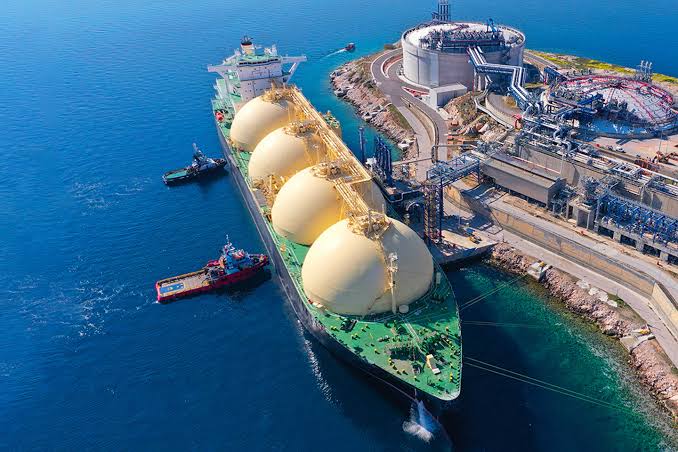
Norway has long been recognized as one of the world’s leading maritime nations, and its LNG carriers industry plays a critical role in supporting global energy transportation. As one of the largest exporters of natural gas globally, Norway supplies a significant share of Europe’s energy demand through both pipelines and LNG shipments. Norwegian natural gas production accounts for approximately 3% of global demand, while the country supplied over 30% of the gas consumed across the EU and the UK through exports. The growing importance of energy security, cleaner marine fuels, and expanding LNG trade routes is creating strong opportunities for Norway’s LNG carriers market.
Market Drivers Advancing the Norway LNG Carriers Industry
Increasing Demand for Energy Security and LNG Transportation
The global LNG industry has experienced substantial growth as countries diversify energy sources and seek reliable natural gas supplies. Global LNG trade surpassed 411 million tonnes, connecting dozens of exporting and importing markets worldwide. For Norway, this trend directly benefits LNG carrier operators. The country’s strategic position as a major gas exporter has increased the need for efficient LNG transportation fleets capable of delivering cargo to key European and international markets. As LNG demand continues to grow across Asia and Europe, charter opportunities for Norwegian shipowners and operators are expected to expand.
Norwegian Maritime Expertise Strengthening Market Competitiveness
Norway’s shipping industry possesses decades of experience in gas transportation. Companies such as Knutsen OAS Shipping and Flex LNG have developed specialized expertise in LNG vessel operations, fleet management, and advanced propulsion technologies. Norwegian operators continue to invest in modern dual-fuel and low-emission LNG carriers, improving operational efficiency and environmental performance. The presence of world-class maritime clusters, ship management services, and marine technology providers enables Norwegian companies to maintain competitive advantages in the global LNG shipping market.
Fleet Modernization and Sustainability Driving Investments
Environmental considerations are increasingly influencing vessel procurement decisions. LNG remains a preferred transition fuel within the maritime industry because of its lower emissions compared to conventional marine fuels. According to industry estimates, LNG-powered vessels can reduce sulfur oxide emissions by approximately 99%, nitrogen oxide emissions by up to 85%, and greenhouse gas emissions by around 20% compared with traditional fuels. These sustainability benefits are encouraging investment in new-generation LNG carriers equipped with advanced propulsion systems and fuel-efficient technologies, supporting long-term market growth.
Government Initiatives Supporting the Norway LNG Carriers Industry
Norwegian authorities continue to support maritime innovation, decarbonization initiatives, and sustainable shipping practices. The country was an early pioneer in LNG-powered maritime transport, introducing innovative LNG-fueled vessels that helped set global benchmarks. Additionally, Norway’s broader energy strategy and investment in maritime technology development encourage fleet modernization and environmentally responsible shipping solutions. These initiatives strengthen the competitiveness of Norwegian LNG carrier operators in the international market.
Competitive Landscape of the Norway LNG Carriers Industry
The Norway LNG carriers market features a mix of established shipowners, fleet managers, and specialized maritime service providers. Major participants include Knutsen OAS Shipping, Flex LNG, BW LNG, and several other operators with strong international footprints. These companies focus on long-term charter agreements, fleet expansion, digital vessel management, fuel efficiency, and advanced ship technologies to maintain their market positions. Strategic collaborations with energy producers and LNG traders remain a key competitive strategy.
Challenges Facing the Norway LNG Carriers Industry
Market Volatility and Freight Rate Pressure
While LNG demand remains strong, shipping operators face fluctuations in charter rates and vessel utilization levels. Industry reports indicate that rapid expansion of the global LNG carrier fleet has occasionally created vessel oversupply conditions, putting pressure on profitability and freight rates.
Regulatory and Decarbonization Requirements
The shipping sector faces increasing environmental regulations aimed at reducing emissions. Norwegian LNG carrier operators must continuously invest in vessel upgrades, efficiency improvements, and emerging low-carbon technologies to comply with evolving international standards. These investments can increase operational costs and capital expenditure requirements.
Future Outlook
The future of Norway’s LNG carriers market appears promising as global natural gas trade continues to evolve and energy security remains a priority for many countries. Norway’s status as one of the world’s leading gas exporters, combined with its strong maritime heritage and advanced shipping expertise, positions the industry for sustained growth. Continued fleet modernization, adoption of cleaner propulsion technologies, and expansion of LNG trade networks will likely create new business opportunities. As demand for reliable and efficient LNG transportation grows, Norwegian operators are expected to remain influential players in the global LNG shipping ecosystem.
Consultants at Nexdigm, in their latest publication “Norway LNG Carriers Market Outlook to 2035” analyze the sector By Vesel Technology Type (Steam Turbine Propulsion, Dual Fuel Diesel Electric and Tri-Fuel Diesel Electric), By Operational End User (Equinor ASA Upstream Offtake and Shell Global LNG Operations) and By Chartering Duration (Spot Voyage Charter, Long-term Time Charter and Barecoat Chartering Arrangements).
Nexdigm suggests that businesses in “Norway LNG Carriers Industry” focusses on oilfield, desalination, construction, and industrial applications, strengthen local warehousing, develop application-specific grades, improve technical support, and build resilient sourcing networks to serve expanding energy, water, and manufacturing demand.
To take the next step, simply visit our Request a Consultation page and share your requirements with us.
Harsh Mittal
+91-8422857704