
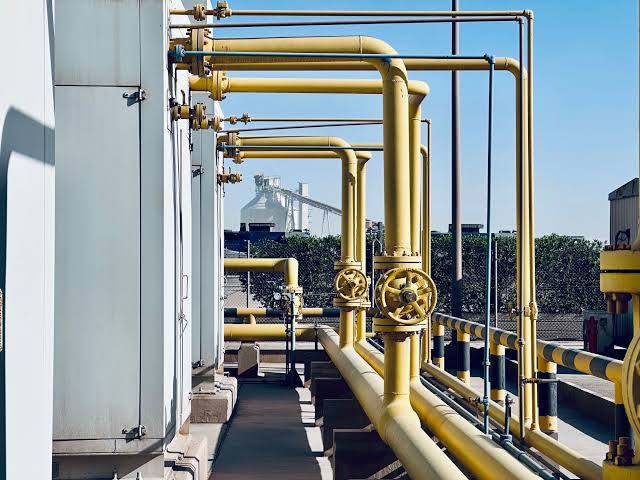
Norway LNG infrastructure sector plays a pivotal role in supporting Europe energy security while advancing lower-emission fuel solutions. Valued at approximately USD 2.45 billion, the sector is expected to expand steadily with a 4.8% CAGR through 2035, driven by rising LNG exports, maritime fuel demand, and investments in cleaner gas processing technologies. Norway’s strategic location, extensive natural gas reserves, and world-class facilities such as the Snøhvit LNG project in Hammerfest strengthen its position in the global LNG value chain. As European nations diversify energy sources and pursue decarbonization goals, Norway continues to enhance infrastructure capabilities to remain a dependable energy supplier.
Market Drivers Advancing Norway LNG Infrastructure Sector
Growing European Energy Security Requirements
The ongoing focus on reducing dependence on conventional energy imports has increased the importance of Norway’s LNG infrastructure. European countries are actively diversifying gas supply sources, creating sustained demand for Norwegian LNG exports. Norway remains one of Europe’s largest natural gas suppliers, making infrastructure expansion critical for maintaining reliable energy flows.
Rising Demand for LNG as Marine Fuel
Norway is witnessing increasing adoption of LNG-powered vessels as the shipping industry seeks cleaner fuel alternatives. LNG can reduce sulfur oxide emissions by nearly 100% and significantly lower nitrogen oxide emissions compared to conventional marine fuels. This trend is encouraging investments in small-scale LNG terminals, bunkering facilities, and cryogenic transportation systems across major ports such as Stavanger and Bergen.
Integration of Carbon Capture and Low-Emission Technologies
Energy companies are increasingly incorporating carbon capture and storage (CCS) technologies into LNG operations. Leading operators are investing in facilities designed to lower carbon intensity and support compliance with stringent environmental regulations. The combination of LNG production and CCS strengthens Norway’s position as a provider of lower-emission energy solutions while helping industrial stakeholders meet sustainability objectives.
Government Initiatives Supporting Norway LNG Infrastructure Sector
The Norwegian government actively supports LNG infrastructure development through policies focused on energy security, emissions reduction, and industrial competitiveness. Regulatory frameworks encourage methane emission control, energy efficiency improvements, and integration of carbon capture technologies. Collaboration between government agencies, energy producers, and maritime stakeholders promotes LNG adoption in shipping and industrial applications. Support for clean energy innovation and sustainable resource management further strengthens long-term sector growth while aligning with broader European climate objectives.
Competitive Landscape of Norway LNG Infrastructure Sector
The sector is characterized by the presence of established energy companies, engineering firms, and infrastructure developers. Key participants include Equinor ASA, TotalEnergies, Shell, Vår Energi, and specialized LNG logistics providers. Competition focuses on operational efficiency, technological innovation, emissions reduction, and infrastructure modernization. Strategic investments in liquefaction facilities, storage terminals, and transport networks continue to shape the competitive environment. Partnerships supporting carbon capture integration and sustainable LNG operations are becoming increasingly important for maintaining market leadership.
Challenges Impacting Norway LNG Infrastructure Sector
Environmental Compliance Requirements
Increasingly stringent environmental regulations require LNG operators to invest heavily in methane monitoring, emissions reduction technologies, and cleaner processing methods. Compliance costs can impact project economics and operational planning.
Infrastructure Investment and Cost Pressures
Developing LNG terminals, storage facilities, and transportation networks requires substantial capital expenditure. Fluctuations in energy prices, project development timelines, and uncertain global economic conditions may affect investment decisions and infrastructure expansion plans.
Future Outlook
Expansion of Low-Emission LNG Operations
The sector is expected to benefit from broader adoption of carbon capture solutions, electrified processing systems, and advanced monitoring technologies. These developments will help reduce emissions while improving operational efficiency.
Strengthening Europe’s Energy Supply Chain
Growing European demand for reliable and diversified energy sources will continue to support infrastructure expansion. Investments in export facilities, LNG bunkering networks, and advanced logistics capabilities are likely to reinforce Norway’s role as a strategic energy hub.
Increased Innovation Across the Sector
Technological innovation, digital monitoring systems, and sustainable gas processing solutions are expected to create new growth opportunities. As decarbonization efforts accelerate, Norway’s LNG infrastructure sector is well positioned to support long-term energy security while advancing environmental sustainability goals.
Consultants at Nexdigm, in their latest publication “Norway LNG Infrastructure Market Outlook to 2035,” analyze the sector By (Norway LNG Market Scope Definition, Barents Sea Supply Assessment, Top-down LNG Capacity Modeling, Bottom-up Infrastructure Investment Tracking,).
Nexdigm suggests that businesses in the Norway LNG Infrastructure Industry invest in low-emission LNG technologies, carbon capture integration, and modernized storage and transport facilities. Aligning operations with evolving European energy security requirements and environmental regulations can help strengthen competitiveness and support long-term growth opportunities.
To take the next step, simply visit our Request a Consultation page and share your requirements with us.
Harsh Mittal
+91-8422857704