
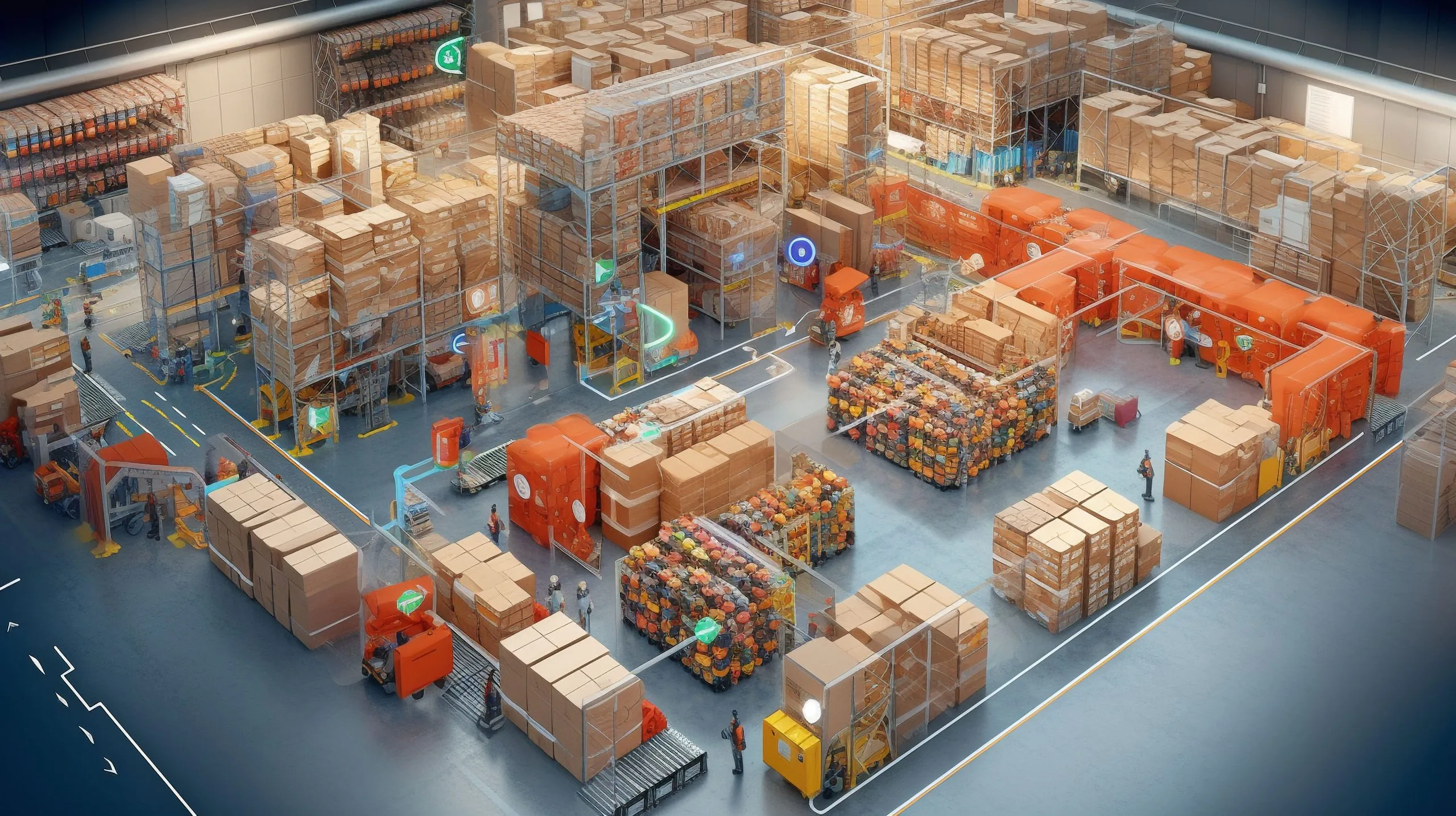
Oman’s third-party logistics (3PL) market has been quietly gaining ground, though it often sits in the shadow of larger regional players. What makes Oman interesting is not scale, but intent. The country sits along one of the world’s busiest maritime corridors, and over the past decade, it has invested heavily in ports, free zones, and road connectivity to turn that geographic advantage into something tangible. By 2025, the market is still maturing. Many companies continue to manage logistics in-house, especially in traditional sectors. Yet there is a visible shift underway. Businesses, particularly in retail and manufacturing, are beginning to outsource warehousing, freight, and distribution functions to specialists. The appeal is straightforward: lower operational complexity and better service reliability.
What’s Driving the 3PL Market in Oman?
Port-Led Infrastructure Development
One of the most noticeable shifts has come from Oman’s focus on port infrastructure. Sohar, Salalah, and Duqm are no longer just transit points; they are evolving into integrated logistics clusters. Warehousing zones, customs facilities, and industrial parks sit close to these ports, reducing turnaround times for cargo. In practice, this means a shipment arriving in Sohar can move from port to warehouse to final distribution far more efficiently than it could a decade ago. For 3PL providers, this creates room to offer bundled services rather than isolated functions. Still, utilization levels vary, and some facilities remain underused, reflecting a gap between capacity and actual trade volumes.
E-commerce and Changing Delivery Expectations
Online retail in Oman has picked up pace, particularly in Muscat and other urban pockets. Consumers now expect faster delivery windows, clearer tracking, and flexible return options. This has quietly pushed companies toward outsourcing logistics operations to firms that can manage last-mile delivery and inventory visibility more effectively. On the ground, many local retailers still struggle with fragmented delivery networks. Partnering with 3PL providers helps them scale without building everything from scratch. That said, last-mile logistics outside major cities remains inconsistent, and this is where service quality can vary significantly.
Economic Diversification and Industrial Activity
Oman’s push to reduce reliance on oil has started to reshape demand for logistics services. Manufacturing, mining, and tourism-related supply chains are expanding, each with different logistical needs. Industrial zones linked to Duqm and Sohar are attracting foreign companies that prefer to work with experienced logistics partners rather than setting up their own operations. There is also a practical angle here. For smaller manufacturers, managing transport, storage, and customs clearance internally can quickly become inefficient. Outsourcing these functions allows them to focus on production, though cost sensitivity remains a constant consideration.
Government-Led Initiatives
Policy direction has played a central role in shaping the logistics landscape. Under Oman Vision 2040, logistics is treated as a priority sector, with clear emphasis on improving efficiency and attracting foreign investment. Free zones offer tax incentives, while customs procedures have been gradually streamlined to reduce delays. The National Logistics Strategy outlines ambitions to raise the sector’s contribution to GDP, but execution is still uneven. Some reforms have delivered visible improvements, particularly in port operations. Others, such as regulatory coordination across agencies, continue to evolve.
Market Competition
Competition in Oman’s 3PL space feels balanced rather than crowded. A mix of international logistics firms and regional players operate here, each bringing different strengths. Global companies typically offer advanced systems, wider networks, and standardized processes. Local firms, on the other hand, often have stronger relationships and a better grasp of regulatory nuances. Interestingly, technology adoption is becoming a differentiator. Real-time tracking, warehouse automation, and data-driven planning are no longer optional for larger clients. Smaller providers, though, sometimes struggle to keep up with these investments, which creates a gap in service quality across the market.
Limited Domestic Demand Scale
A common challenge is the relatively small size of the domestic market. Compared to logistics hubs like the UAE, Oman handles lower trade volumes and has a smaller consumer base. This limits economies of scale for logistics providers, particularly those investing in large warehousing or advanced technology. In practical terms, this means some facilities operate below optimal capacity, and pricing pressure remains high. For many operators, profitability depends on securing regional transit or re-export business rather than relying solely on local demand.
Future Outlook
Looking ahead, Oman’s 3PL market will likely grow steadily, though not dramatically. The real opportunity lies in carving out a niche as an efficient alternative gateway for regional trade, especially for cargo moving between Asia, Africa, and the Gulf.Technology will play a defining role. Automation in warehouses, better route optimization, and digital freight platforms will gradually become standard. At the same time, sustainability is beginning to influence decisions, with companies exploring fuel-efficient fleets and greener storage solutions. There is also an underlying shift in mindset. More businesses are starting to view logistics not just as a cost center, but as a competitive lever. That shift, while subtle today, could reshape demand patterns over the next decade.
Consultants at Nexdigm, in their latest publication “Oman 3PL Market Outlook to 2035,” highlight segmentation by Service Type (Transportation, Warehousing, Freight Forwarding, Value-Added Services), By End User (Retail & E-commerce, Manufacturing, Oil & Gas, Healthcare, Others), and By Mode of Transport (Roadways, Seaways, Airways). They suggest that firms focusing on integrated service offerings, digital capabilities, and partnerships within free zones will be better placed to capture emerging opportunities in Oman’s evolving logistics landscape.
To take the next step, simply visit our Request a Consultation page and share your requirements with us.
Harsh Mittal
+91-8422857704