
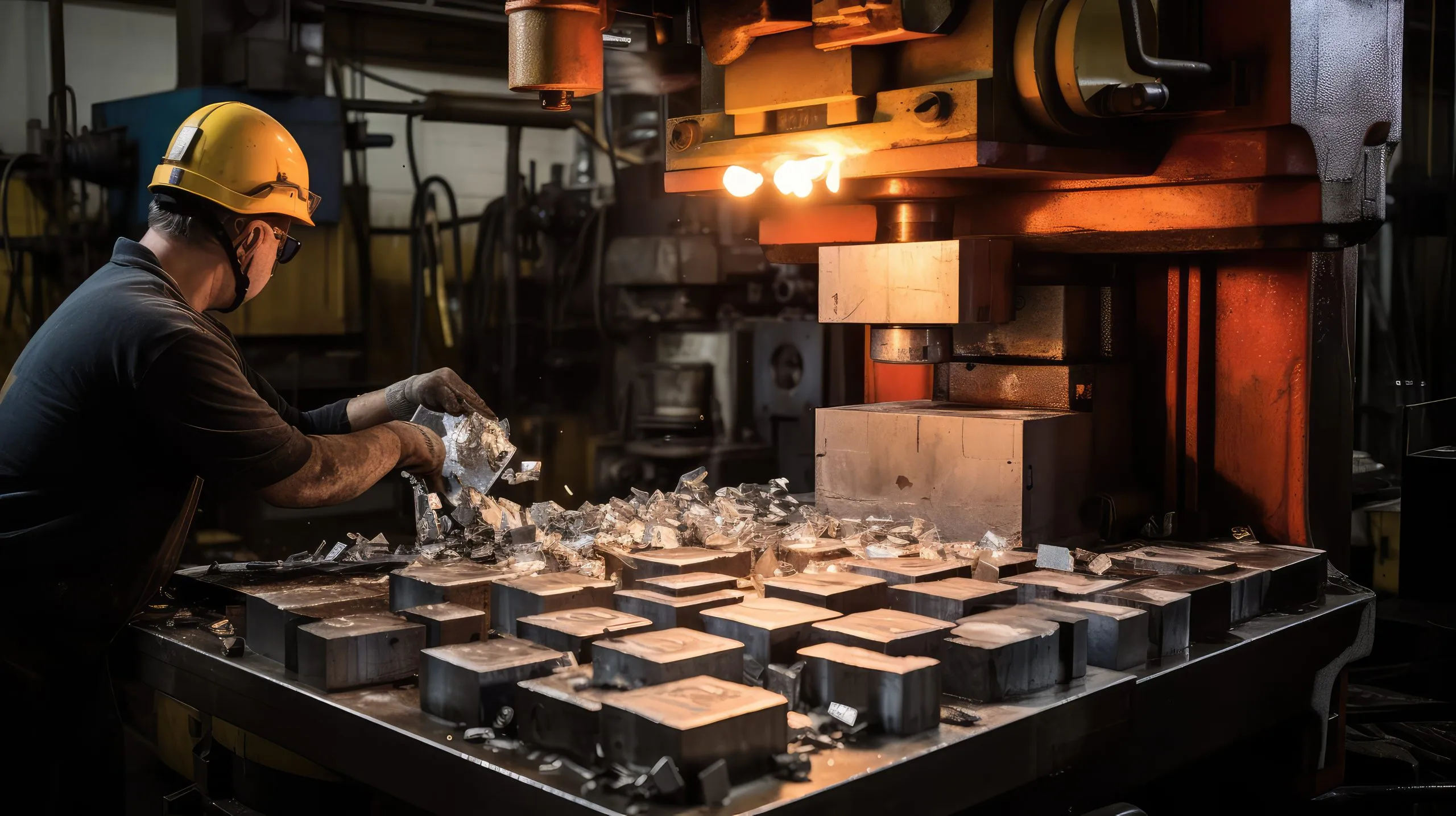
The Oman advanced materials market is positioned for growth over the next decade as the Sultanate seeks economic diversification beyond hydrocarbons. Advanced materials—such as composites, high‑performance polymers, advanced ceramics, and nanomaterials—are finding increasing applications in sectors including construction, electronics, aerospace, and automotive. Regional demand is linked to infrastructure expansion, manufacturing upgrades, and technology adoption. Globally, the advanced materials market is projected to grow significantly through 2035, reflecting broader industrial trends that are relevant to Oman’s evolving economic priorities.
Key Market Drivers for Oman’s Advanced Materials Industry
Infrastructure and Construction Modernization
Oman’s expanding construction sector, supported by national development plans and Vision 2040 goals, is boosting the use of advanced materials such as reinforced composites and specialty polymers. Demand for lightweight, durable, and energy‑efficient materials in building systems and transportation infrastructure is encouraging material innovation and importation. Investments in ports, industrial zones, and urban development create opportunities for advanced materials that offer performance advantages over traditional alternatives.
Technology and Industry Adoption
Emerging industries like aerospace, electronics, and automotive are increasing their reliance on materials with enhanced strength‑to‑weight ratios, thermal stability, and corrosion resistance. Advanced composites and nanomaterials offer performance benefits that are crucial for high‑end applications. Companies engaged in research and development are targeting these sectors to introduce tailored solutions that meet specific performance requirements.
Economic Diversification Strategy
Oman’s strategic emphasis on diversifying its industrial base—moving away from heavy dependence on oil and gas—supports increased adoption of specialized materials. Government policies and investment incentives for manufacturing and technology firms aim to stimulate local production capabilities and reduce reliance on imports, creating a foundation for advanced materials integration into domestic supply chains.
Government Support and Strategic Initiatives for Advancing Materials in Oman
Omani policy frameworks such as the National Innovation Strategy and Industrial Strategy emphasize research, technology development, and manufacturing competitiveness in high‑value sectors. These initiatives include incentives for R&D projects and foreign investment in advanced materials production facilities. Grants and support programs through public agencies aim to enhance local capacities in sectors that utilize advanced functional materials.
Competitive Landscape and Key Players in Oman’s Advanced Materials Market
The competitive landscape of advanced materials in Oman comprises a combination of regional and international participants focusing on composites, high‑performance polymers, and nanomaterials. Companies operating in the advanced composites space are engaging with aerospace, marine, and automotive clients, while collaborations between global suppliers and local manufacturers seek to leverage Oman’s strategic location and market potential.
Key Challenges Facing Oman’s Advanced Materials Market
Cost and Supply Constraints
High initial costs for raw materials such as carbon fiber and epoxy resins remain a barrier to widespread adoption, limiting competitive penetration in price‑sensitive sectors. Import dependence also exposes the market to supply chain volatility and foreign exchange risk.
Skill and Awareness Gap
There is limited local expertise and awareness regarding advanced material technologies and their applications. A shortage of skilled labor and technical know‑how can constrain efforts to scale domestic manufacturing and innovation in cutting‑edge materials development.
Future Outlook
Looking toward 2035, Oman’s advanced materials market is expected to expand as the economy continues its diversification and modernization agenda. Demand will be underpinned by infrastructure projects, increased industrialization, and uptake in high‑growth sectors like electronics and aerospace. Strategic development of local manufacturing capabilities, coupled with technology partnerships and investment in R&D, could enhance Oman’s role in regional supply chains. However, addressing cost, skills gaps, and regulatory frameworks will be essential to fully realize the market’s potential.
Consultants at Nexdigm, in their latest publication “Oman Advanced Materials Market Outlook to 2035,” analyze the sector by System Type (Composite Materials, Advanced Ceramics, High Performance Polymers, Nanomaterials), By Platform Type (Industrial Manufacturing Platforms, Aerospace and Defense Platforms, Energy Infrastructure Platforms), and By Fitment Type (Structural Integration Materials, Thermal Management Materials, Protective Coating Materials). Nexdigm suggests that businesses should focus on identifying and capitalizing on emerging market trends, tailoring their strategies to address local demand for advanced materials, and leveraging government incentives aimed at fostering innovation. Understanding the evolving needs of key industries such as construction, aerospace, and automotive, while incorporating advanced materials that offer superior performance, will be crucial in maintaining a competitive edge. Businesses should also invest in research and development, collaborate with local manufacturers, and prioritize sustainability to align with Oman’s long-term economic diversification goals.
To take the next step, simply visit our Request a Consultation page and share your requirements with us.
Harsh Mittal
+91-8422857704