
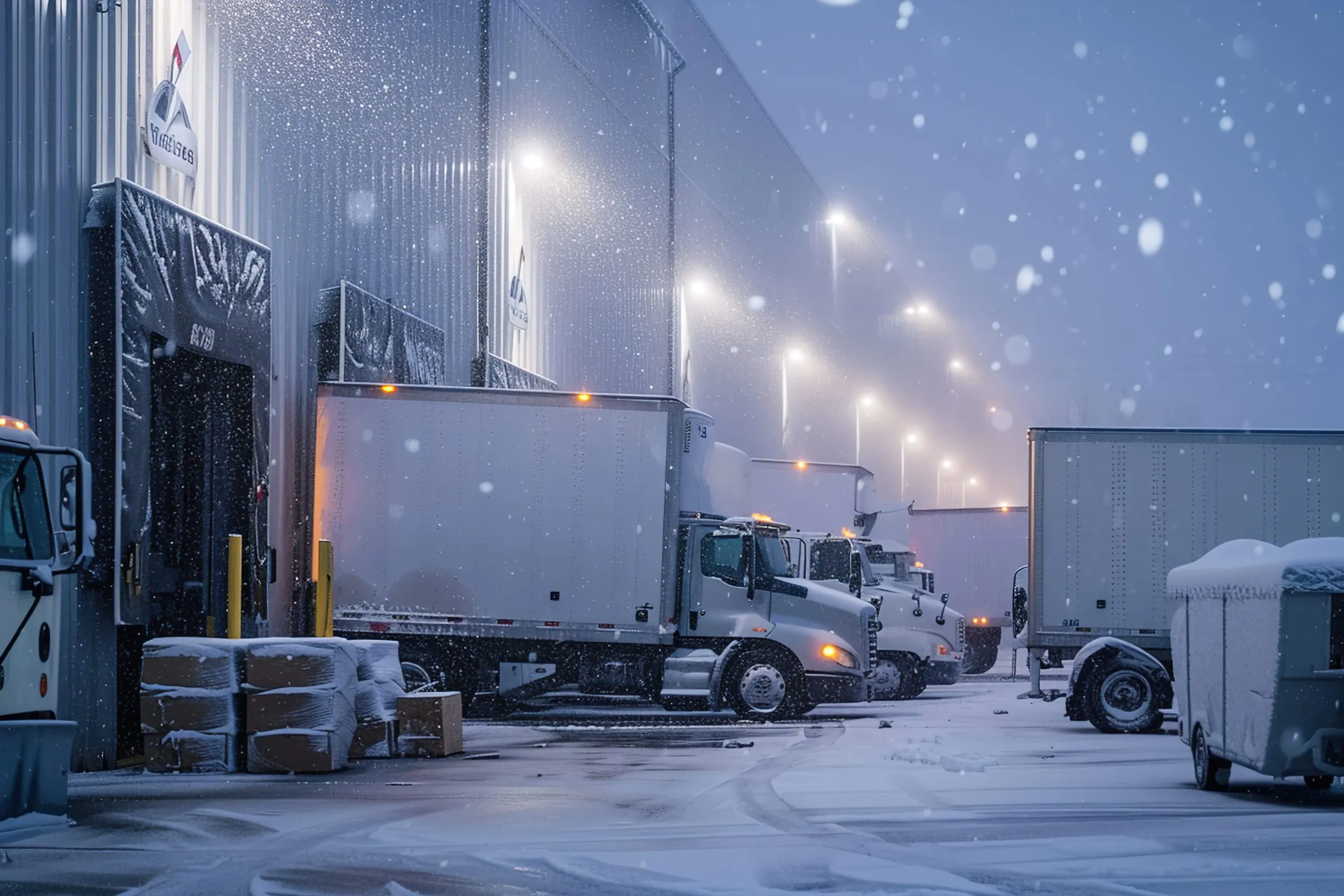
Oman’s cold chain logistics sector has moved from being a support function to something far more central to trade and public health. The shift has been gradual but noticeable. With rising volumes of imported food and a growing pipeline of temperature-sensitive medicines, storage and transport conditions can no longer be treated casually. By 2025, a large share of perishables entering Oman still depended on external supply chains, which makes temperature control not just a logistics concern but a matter of economic efficiency. Spoilage, delays, and compliance gaps carry real costs. Against this backdrop, investments in refrigerated warehousing, transport fleets, and monitoring systems have picked up pace, especially around key ports and urban centers.
What’s Driving the Cold Chain Logistics Market in Oman?
Expanding Pharmaceutical Requirements
Pharmaceutical logistics in Oman has become far more demanding than it was a decade ago. Treatments today often involve biologics, specialty drugs, and vaccines that require strict temperature ranges from production to delivery. Hospitals and distributors are under pressure to maintain compliance, particularly as regulatory scrutiny tightens. In practice, even minor temperature deviations can lead to product loss, which is both expensive and risky. This has pushed logistics providers to invest in validated storage systems, real-time tracking, and trained handling staff. The shift is not optional anymore, especially with the healthcare system handling more complex therapies.
Dependence on Imported Food Supply
Food supply in Oman tells a different but equally compelling story. A significant portion of dairy, meat, seafood, and fresh produce arrives from abroad. Given the country’s climate, maintaining quality during transit is a constant challenge. Cold chain gaps often show up in the last mile, where temperature fluctuations can undo earlier efforts. Retailers have become more cautious, preferring logistics partners who can guarantee consistency rather than just speed. There is also a noticeable shift in consumer expectations. Shoppers increasingly look for freshness and shelf life, which indirectly raises the bar for storage and distribution standards.
Growth of Modern Retail and Delivery Models
Retail transformation has quietly reshaped logistics needs. Large supermarket chains and online grocery platforms now operate with tighter inventory cycles and higher service expectations. This has created demand for smaller, decentralized cold storage units closer to consumption hubs. On the ground, last-mile delivery has become one of the trickiest parts of the chain. Ensuring frozen or chilled products reach customers in the right condition, especially during peak summer months, requires careful planning and reliable equipment. Companies experimenting with insulated delivery boxes and route optimization tools are gaining an edge, though the economics are still evolving.
Government-Led Initiatives
Public sector involvement has played a steady role in shaping this market. Under Vision 2040, Oman has placed logistics at the center of its diversification plans. Investments in ports such as Sohar and Duqm are not just about cargo volumes but also about handling specialized goods, including perishables. Food security programs have also influenced infrastructure decisions, with more attention given to fisheries, agriculture, and local processing units. While these efforts are promising, the real impact depends on how well private operators integrate with these facilities. Regulations around food safety and pharmaceutical handling are becoming stricter, which, in many ways, forces the industry to upgrade faster than it might have otherwise.
Market Competition
Competition in Oman’s cold chain space is not intense in terms of sheer numbers, but it is becoming more sophisticated. A mix of local logistics firms and international players operate here, each bringing different strengths. Larger companies tend to focus on integrated solutions, combining storage, transport, and monitoring under one roof. Smaller operators often compete on flexibility and cost, though they sometimes struggle with technology adoption. Partnerships are becoming more common, particularly between logistics providers and retailers or healthcare distributors. Over time, the gap between organized and unorganized players may widen as compliance requirements tighten.
High Cost of Temperature-Controlled Infrastructure
One issue that consistently comes up is cost. Setting up and running cold storage facilities in Oman is expensive. Energy consumption alone can be significant, especially during peak summer months. For smaller businesses, this creates a barrier to entry. Even established players need to balance pricing with operational expenses, which is not always straightforward. In practice, some companies delay upgrades or operate with older equipment, which can compromise efficiency. The push toward energy-efficient systems is gaining attention, but adoption remains uneven due to upfront investment concerns.
Future Outlook
Looking ahead, the direction of Oman’s cold chain logistics market appears steady rather than explosive. Growth will likely come from incremental improvements in infrastructure, technology adoption, and service quality. Digital tools such as IoT-based temperature monitoring and automated storage systems are expected to become more common, though their pace of adoption will depend on cost considerations. There is also a broader shift underway. Oman is gradually strengthening its role as a transit point for goods moving across the region. If supported by consistent policy execution and private sector participation, this could expand the scope of cold chain services beyond domestic needs. Fisheries, food processing, and pharmaceuticals will remain the core demand drivers.
Consultants at Nexdigm, in their latest publication “Oman Cold Chain Logistics Market Outlook to 2035,” analyzed the market by Service Type (Cold Storage, Refrigerated Transportation, Value-Added Services), By End User (Pharmaceuticals, Food and Beverages, Chemicals), and By Temperature Range (Chilled, Frozen). Nexdigm notes that companies focusing on energy efficiency, reliable monitoring systems, and integrated service offerings are more likely to stay competitive as the market matures.
To take the next step, simply visit our Request a Consultation page and share your requirements with us.
Harsh Mittal
+91-8422857704