
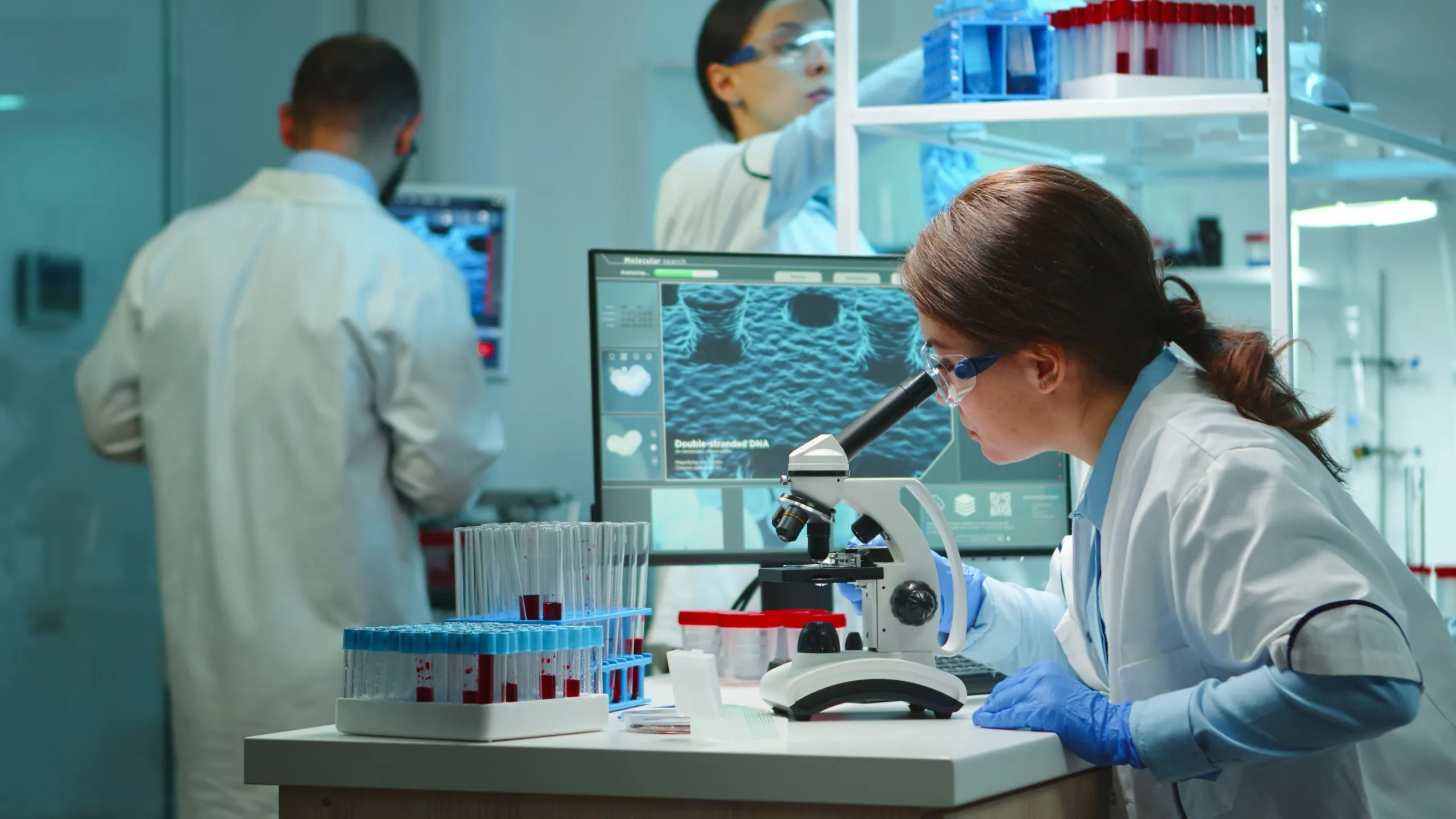
Oman’s healthcare landscape has been quietly but steadily evolving, and diagnostic laboratories sit right at the center of that shift. Over the past few years, testing services have moved beyond routine blood work toward more specialized and technology-led diagnostics. By 2026, both public and private providers are expanding lab capabilities, particularly in urban clusters like Muscat and Sohar. While the country still depends heavily on imported equipment and consumables, the broader push under Vision 2040 is clearly shaping how diagnostics are delivered. What stands out is not just growth, but a gradual shift toward more precise, faster, and patient-friendly testing services.
What’s Driving the Diagnostic Labs Market in Oman?
Rising Burden of Lifestyle Diseases
One of the most visible changes on the ground is the growing number of patients requiring regular diagnostic monitoring. Conditions such as diabetes and cardiovascular disorders have become common, and managing them requires frequent lab testing rather than one-time diagnosis. Hospitals and clinics now rely heavily on lab partners for ongoing patient tracking. In practice, this means higher volumes for routine panels, but also a rising need for specialized tests such as HbA1c monitoring and lipid profiling. Preventive health packages, once limited to premium hospitals, are now more widely offered and increasingly used by middle-income residents.
Expansion of Private Diagnostic Networks
Private healthcare providers have begun to play a more active role in shaping the lab services market. Walk-in diagnostic centers, often located near residential areas, are becoming more common. These facilities compete on speed and convenience, offering same-day reports and even home sample collection. For many patients, especially working professionals, this accessibility matters more than brand loyalty. Some hospital groups are also setting up satellite labs to capture demand outside major cities. This decentralization is gradually reducing pressure on large hospitals while making diagnostics more accessible in smaller towns.
Shift Toward Advanced Testing and Automation
Technology adoption in Omani labs is no longer limited to large tertiary hospitals. Automated analyzers, molecular diagnostics, and digital reporting systems are becoming more widespread. Labs are investing in systems that reduce manual errors and improve turnaround time. In radiology-linked diagnostics, AI-assisted imaging is beginning to appear, though still at an early stage. A common observation is that labs adopting automation early tend to attract higher patient volumes, simply because reliability and speed are noticeable to both doctors and patients.
Government-Led Initiatives
Government involvement remains a strong influence on how the sector develops. Under Vision 2040, healthcare infrastructure continues to receive attention, with new hospitals and diagnostic units planned across different regions. Public hospitals are being upgraded with better lab facilities, which helps reduce dependency on referrals to private labs. There is also a visible push toward digital integration. Electronic health records and centralized data systems are slowly connecting different healthcare providers. While implementation is not always seamless, the intent is clear – better coordination between diagnostics and treatment. Regulatory oversight has also tightened, particularly around lab accreditation and quality standards. This has raised the baseline for service providers, though smaller labs sometimes struggle to keep up with compliance requirements.
Market Competition
Competition in Oman’s diagnostic labs space feels balanced rather than crowded. Large hospital networks dominate high-end diagnostics, while smaller independent labs cater to routine testing. The private segment, in particular, has become more service-oriented. Faster report delivery, online access to results, and customer support have become key differentiators. International diagnostic equipment suppliers continue to play a major role, often working through local distributors. This creates a dependency, but it also ensures access to global technologies. On the ground, labs that combine good technology with patient convenience tend to perform better than those relying purely on scale.
High Import Dependency
A major challenge in this market is the reliance on imported diagnostic equipment and consumables. Almost all advanced machines, reagents, and even spare parts come from international suppliers. This creates vulnerabilities that are not always visible at first glance. Delays in shipments or fluctuations in currency can directly affect lab operations and pricing. Maintenance is another issue. Servicing advanced machines often requires specialized technicians, sometimes flown in from abroad. For smaller labs, this can lead to downtime or higher operational costs. In the long run, this dependency may limit how quickly the sector can scale or innovate independently.
Future Outlook
Looking ahead, Oman’s diagnostic labs market is likely to evolve in a measured but meaningful way. Demand for testing will continue to grow, not just because of population trends, but due to greater awareness and earlier diagnosis. Preventive healthcare is gradually becoming part of routine behavior rather than an afterthought. Technology will shape the next phase of growth. AI-supported diagnostics, personalized testing, and integrated digital platforms are likely to become more common, especially in urban centers. At the same time, expansion into semi-urban areas will remain important if accessibility is to improve across the country. There is also a subtle shift toward value-based care, where diagnostics are not just about volume but about improving outcomes. Labs that can offer accuracy, speed, and meaningful insights will stand out. While import reliance may continue, efforts to streamline procurement and improve efficiency could ease some of the pressure.
Consultants at Nexdigm, in their latest publication “Oman Diagnostic Labs Market Outlook to 2035,” highlight segmentation by Test Type (Pathology, Radiology, Molecular Diagnostics, Clinical Chemistry), End User (Hospitals, Diagnostic Centers, Clinics, Home Care), and Ownership (Public vs Private). Their view leans toward deeper technology adoption, expansion of specialized testing, and partnerships that strengthen service reach across Oman’s healthcare network.
To take the next step, simply visit our Request a Consultation page and share your requirements with us.
Harsh Mittal
+91-8422857704