
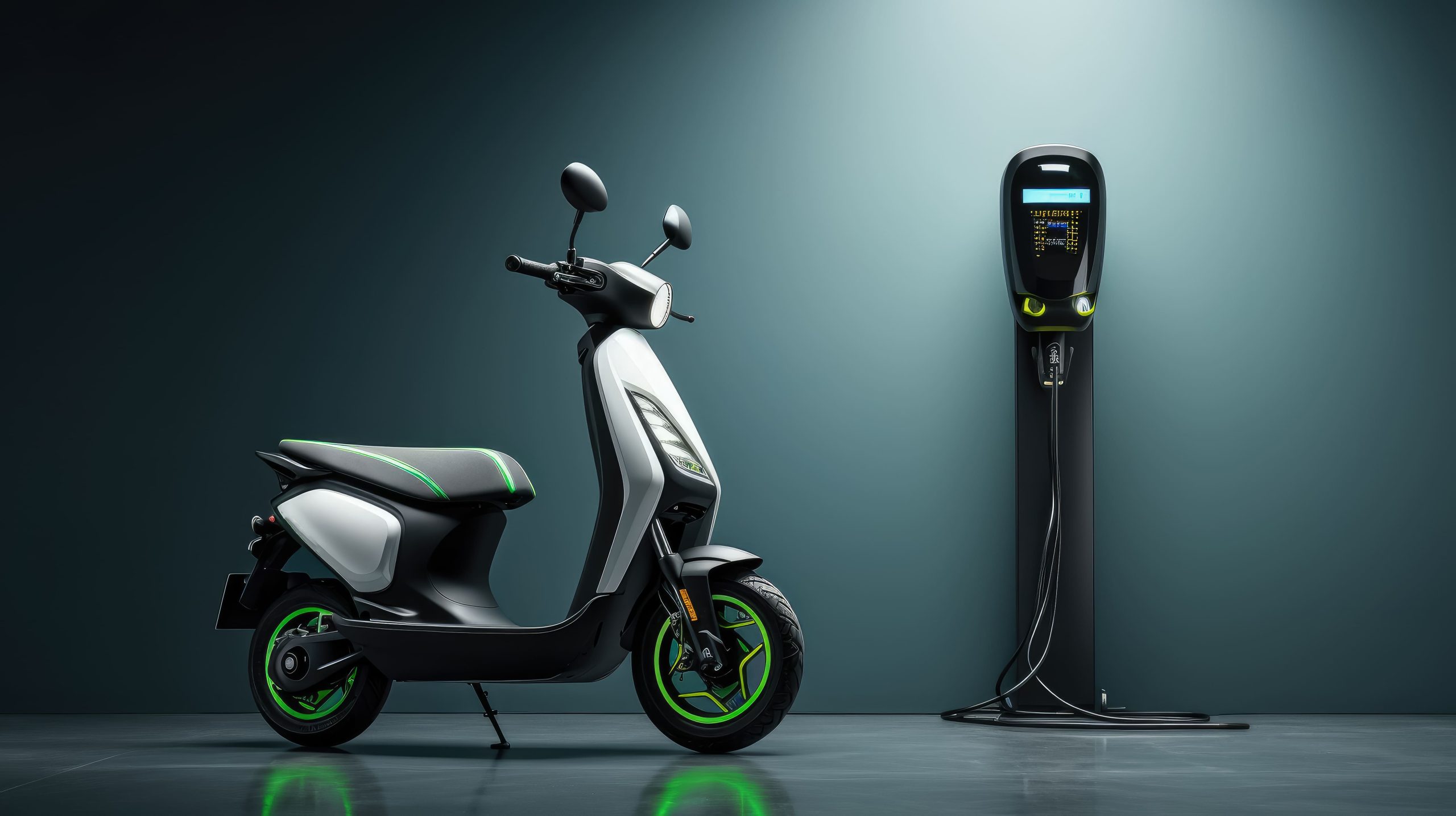
Oman electric mobility market is still in its early innings, but the electric two-wheeler category is beginning to show signs of real commercial potential. Petrol powered scooters and motorcycles continue to dominate roads across the country, yet a shift is slowly taking shape in urban pockets such as Muscat, Sohar, and Salalah. Rising commuting costs, growing delivery demand, and a wider push toward cleaner transport are making electric scooters and motorcycles more relevant than they were even a few years ago. As of 2026, the category remains small, but that is not necessarily a weakness. In many emerging mobility markets, this is usually the stage where early fleet demand and practical use cases start shaping long term adoption.
What’s Driving the Electric Two-Wheeler Market in Oman?
Growing Demand for Affordable Urban Mobility
One of the clearest demand drivers is simple economics. For short daily trips, especially within city limits, electric two wheelers can make more sense than a petrol alternative. Riders who use their vehicle for commuting to work, college, or nearby errands are starting to look beyond purchase price and think about running costs. Electricity is cheaper than fuel over time, and maintenance tends to be lighter because there are fewer moving parts. In practice, that matters a lot more to buyers than sustainability messaging alone.
Expansion of E-Commerce and Delivery Services
The delivery segment is another important factor. Oman has seen steady growth in food delivery, courier services, and app-based commerce. These businesses depend on vehicles that can handle repeated urban trips without becoming too expensive to operate. Electric scooters fit that use case surprisingly well. A delivery rider covering dozens of short trips a day does not necessarily need high speed performance. What matters more is reliability, battery range that holds up through a shift, and low daily operating cost. That is where electric models start to look commercially sensible.
Sustainability Awareness and Energy Transition Goals
There is also a broader shift in consumer awareness. Electric vehicles are no longer seen only as luxury cars or niche technology products. Two wheelers offer a simpler entry point. They are easier to test, easier to understand, and in many cases less intimidating for first time EV buyers. That said, adoption in Oman will likely remain practical before it becomes aspirational. People will buy these vehicles because they solve a problem, not because they are fashionable.
Government-Led Initiatives
Government support in Oman is still developing, but the direction is fairly clear. The country has been talking more seriously about energy transition, cleaner mobility, and lower emissions across transport. While electric two wheelers have not yet been singled out with aggressive subsidies or headline policy packages, they stand to benefit from broader EV related measures. Charging infrastructure will be a key piece of that puzzle. Public charging for two wheelers does not need the same scale or complexity as passenger EVs, which actually works in this segment’s favor. Small charging points near delivery hubs, residential compounds, commercial centers, and office districts could go a long way. On the ground, that kind of practical rollout often matters more than a flashy national announcement.
Market Competition
At the moment, Oman electric two-wheeler market is largely import led and fairly fragmented. There is no dominant player yet, which makes the category interesting but also somewhat unstable. Chinese manufacturers are likely to play a major role because they can offer affordable models with decent range and features. Some regional dealers are already testing demand through imported scooters aimed at both individuals and fleet buyers. Still, selling the vehicle is only half the battle. After sales service, battery replacement support, and spare parts availability will matter much more than branding in the early years. A common challenge in new EV categories is that buyers like the idea of electric mobility until they run into a service issue. That is often where trust is either built or lost.
Charging Access Still Does Not Match Buyer Confidence
One of the biggest hurdles in Oman electric two-wheeler market is not just infrastructure, but whether people trust it enough to switch. A few charging points on paper do not automatically solve daily usability. Riders want assurance that charging will be easy near home, work, or delivery routes. For fleet operators, downtime matters more than brochure range. There is also the climate factor. In a hot market like Oman, battery durability remains a practical concern and not just a technical footnote.
Future Outlook
Through 2035, Oman electric two-wheeler market is likely to build gradually rather than explode overnight, and that is probably healthier for the category. The strongest near term demand will likely come from delivery fleets, commercial operators, and cost conscious urban riders. As charging access improves and more models enter the market, private adoption should become more realistic. By 2035, the market could look meaningfully different from where it stands today. Not massive, but more established, more visible, and far more credible.
Consultants at Nexdigm, in their latest publication “Oman Electric Two-Wheeler Market Outlook to 2035”, analyzed the market by Vehicle Type (Electric Scooters, Electric Motorcycles, Electric Mopeds), By Battery Type (Lithium Ion, Lead Acid), By End User (Personal Use, Commercial Fleets, Delivery Services, Shared Mobility), and By Distribution Channel (Authorized Dealers, Multi Brand EV Retailers, Online Platforms). Nexdigm believes that companies entering this space should focus less on hype and more on reliability, battery support, and practical urban use cases. In Oman, that is what will win the market.
To take the next step, simply visit our Request a Consultation page and share your requirements with us.
Harsh Mittal
+91-8422857704