
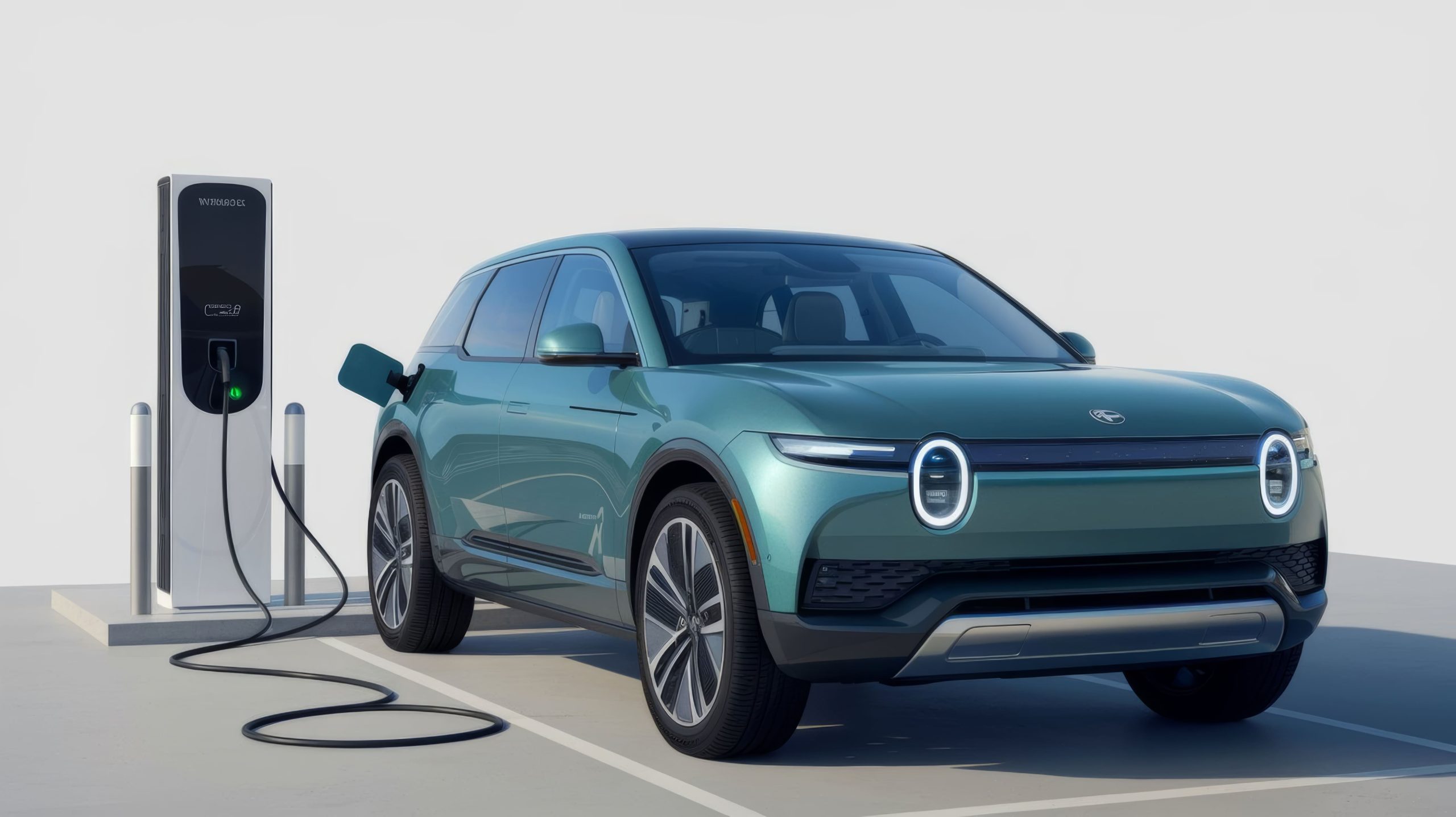
The Oman automotive market is at an interesting point. Electric vehicles are no longer just a concept discussed in policy circles, yet they have not fully entered the mainstream either. Most cars on the road still run on petrol, which is not surprising given fuel affordability and long driving distances across the country. But in cities like Muscat, a visible shift has begun. A growing number of consumers are at least considering electric options, especially those who drive predictable daily routes. As of 2026, EV adoption remains modest, but the direction is clear. Early adopters tend to be high income buyers or companies experimenting with fleet electrification. What stands out is not the volume yet, but the gradual change in perception. People are asking practical questions about charging, battery life, and resale value. That alone signals a market that is warming up, even if slowly.
What’s Driving the Electric Vehicle Market in Oman?
Rising Focus on Sustainability and Energy Transition
Oman has been placing more attention on sustainability, and transport is an obvious area to address. While the country is still heavily tied to hydrocarbons, there is a visible effort to diversify energy sources and reduce emissions. Electric vehicles fit naturally into that conversation. On the ground, this shift shows up in small but meaningful ways. Corporate fleets, for instance, are starting to test EVs for last mile deliveries within city limits. These are controlled environments where range is predictable, making them ideal for early adoption. For private users, the motivation is slightly different. Some are drawn by lower running costs, others by the idea of cleaner mobility. It is not yet a mass movement, but the intent is building.
Expansion of Charging Infrastructure
Charging infrastructure has always been the biggest question mark. Without it, even the most interested buyer hesitates. Oman has started addressing this, though progress is uneven. In Muscat, charging stations are appearing in malls, office complexes, and a few residential developments. Outside major cities, the network is still sparse. This creates a gap. A driver might feel comfortable using an EV for daily commutes but think twice before planning a long trip across regions. In practice, many early users rely on home charging setups. That works well for villa residents, less so for apartment dwellers. This imbalance is something the market will need to solve if adoption is to broaden.
Increasing Availability of EV Models
A few years ago, choices were limited and often expensive. That is changing. Global manufacturers have started bringing a wider range of models into the GCC, and Oman is gradually benefiting from that spillover. Premium brands still dominate visibility, but more affordable options, particularly from Chinese manufacturers, are entering the conversation. This matters because price remains a key barrier. When buyers see options across different price points, the idea of switching becomes less intimidating.
Government-Led Initiatives Supporting EV Adoption
The government approach so far has been measured rather than aggressive. There is clear alignment with clean energy goals, but incentives are not as extensive as in some neighboring markets. What is encouraging is the openness to private sector participation. Charging infrastructure, for example, is not being handled solely by the public sector. This creates room for partnerships and experimentation. Over time, more structured policies may emerge, especially if adoption picks up pace.
Market Competition and Industry Landscape
The competitive landscape is still taking shape. Brands like Tesla, BYD, BMW, Hyundai, Kia, and Mercedes Benz have established an early presence through regional distributors. At this stage, the market leans toward premium vehicles. That is typical for early phase adoption in many countries. Yet it also highlights a gap. For EVs to move beyond niche buyers, mid range options will need stronger representation. Dealerships are also adapting, learning how to handle new service requirements and customer concerns that come with electric mobility.
High Upfront Costs and Consumer Hesitation
Cost remains the biggest hurdle. Even with lower fuel and maintenance expenses over time, the initial price tag can be difficult to justify for many buyers. There is also a level of uncertainty around battery longevity and resale value. Climate plays a role too. Oman’s high temperatures raise concerns about battery performance, even though modern EVs are designed to handle such conditions. Still, perception matters. A common hesitation among buyers is whether the vehicle will perform reliably over several years in such an environment.
Future Outlook
Looking ahead, the EV market in Oman is likely to expand in a steady, measured way rather than through sudden spikes. Urban areas will lead the transition, particularly for daily commuting and commercial fleets where usage patterns are predictable. Fleet electrification could become a major driver. Logistics companies, ride hailing services, and government transport units have clear incentives to reduce operating costs over time. As charging infrastructure becomes more accessible and vehicle prices gradually soften, adoption will feel less like a leap and more like a practical choice.
Consultants at Nexdigm, in their latest publication “Oman Electric Vehicle Market Outlook to 2035”, analyzed the market by Vehicle Type (Battery Electric Vehicles, Plug-in Hybrid Electric Vehicles, Hybrid Electric Vehicles), By End User (Private Consumers, Commercial Fleets, Government & Institutional Buyers), By Charging Type (AC Charging, DC Fast Charging), and By Region (Muscat, Dhofar, Al Batinah, Rest of Oman). Nexdigm believes that businesses should prioritize affordable EV offerings, strategic charging partnerships, and fleet-focused electrification models while building consumer confidence through financing support and after-sales ecosystem development.
To take the next step, simply visit our Request a Consultation page and share your requirements with us.
Harsh Mittal
+91-8422857704