
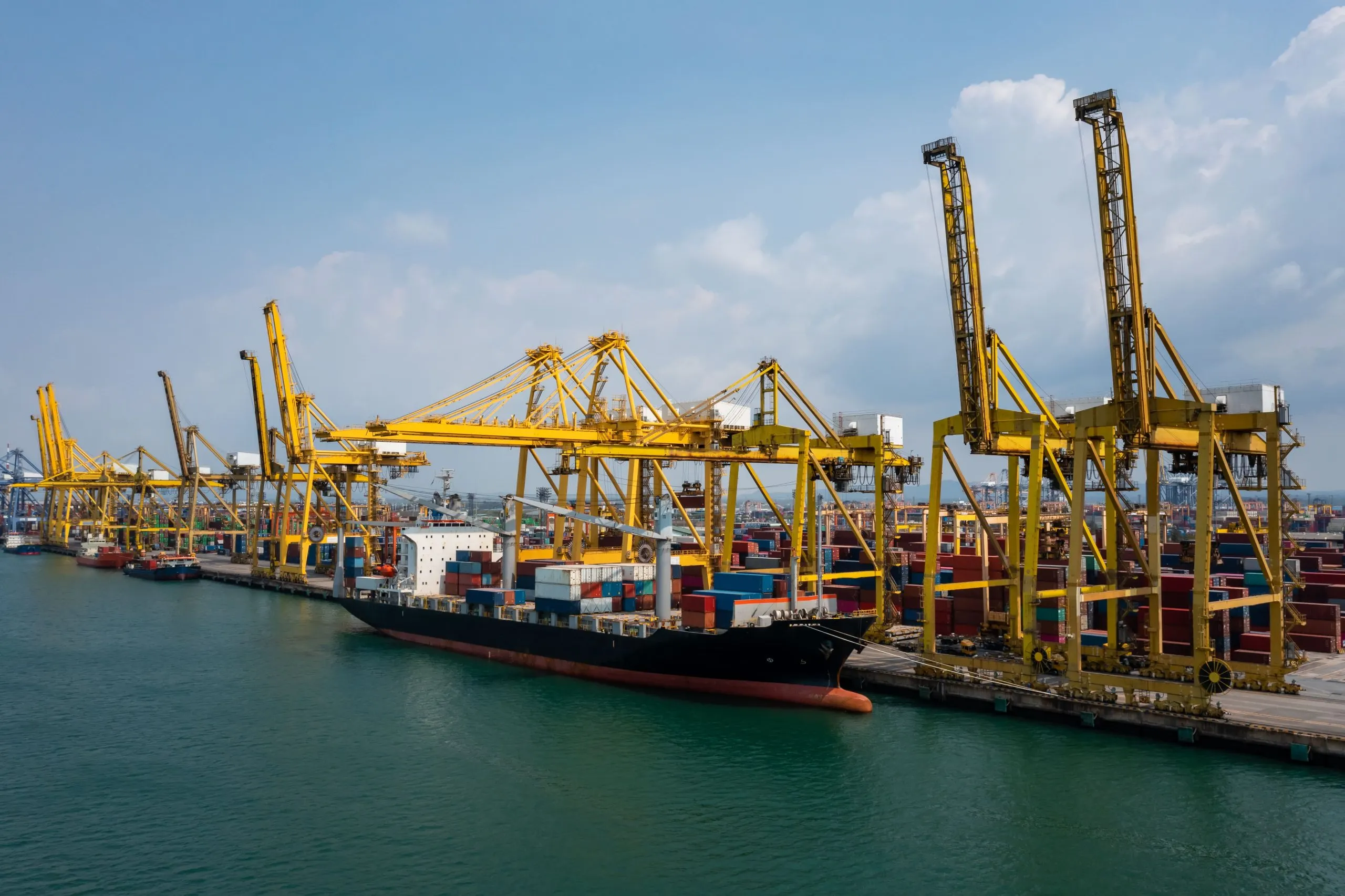
Oman’s freight forwarding sector has been quietly evolving over the past few years, shaped by trade flows, infrastructure upgrades, and a broader push to reduce reliance on oil revenues. By 2025, ports like Sohar, Duqm, and Salalah were already handling a growing share of regional cargo, and freight forwarders have become central to keeping goods moving efficiently across borders. What stands out is not just the volume of trade, but the variety, ranging from bulk commodities to containerized consumer goods. The market today reflects a mix of traditional shipping demand and newer requirements tied to e-commerce and manufacturing.
What’s Driving the Freight Forwarding Market in Oman?
Strategic Location and Port Infrastructure Development
Oman sits along some of the busiest maritime routes globally, which gives it a natural advantage that few countries can replicate. Ports such as Sohar and Salalah have expanded capacity and improved turnaround times, making them attractive alternatives to more congested regional hubs. In practice, this means freight forwarders can offer clients quicker routing options, especially for shipments heading toward East Africa or South Asia. The development of Duqm adds another layer, particularly for industrial cargo and project logistics tied to energy and construction.
Growth in Non-Oil Trade and Industrial Expansion
One noticeable shift in Oman has been the gradual rise of non-oil sectors. Manufacturing clusters and free zones are seeing more activity, and with that comes a steady need for logistics support. Exporters dealing in metals, chemicals, and processed foods depend on reliable freight partners to manage timelines and compliance requirements. On the ground, forwarders often juggle multiple modes of transport to keep costs in check while meeting delivery expectations. This balancing act has become more common as industries diversify.
Expansion of E-commerce and Retail Logistics
E-commerce has added a different kind of pressure to the logistics chain. Instead of large, predictable shipments, companies now handle smaller, frequent consignments with tighter delivery windows. Freight forwarders are adapting, though not without friction. Warehousing, last-mile coordination, and customs clearance have all had to evolve. In Oman, where online retail is still maturing, this shift is gradual but noticeable. Retailers expect faster turnaround, while logistics providers work to keep operations cost-effective.
Government-Led Initiatives
The government has taken a fairly hands-on approach to developing logistics as a core sector under Vision 2040. Investments in ports, road networks, and free zones are part of a broader plan to make trade smoother and more predictable. Customs processes have also been streamlined, which, in real terms, reduces waiting time at borders. That said, implementation can vary depending on location and shipment type. While the policy direction is clear, execution still depends on coordination between multiple agencies and stakeholders.
Market Competition
Competition in Oman’s freight forwarding space is not overly intense, but it is far from simple. Global players like DHL Global Forwarding, Kuehne+Nagel, and DB Schenker bring scale and established networks, which gives them an edge in handling large or complex shipments. Local companies, on the other hand, often compete on flexibility and pricing. Many clients prefer working with firms that understand regional nuances, especially when dealing with customs or last-mile delivery. Over time, technology adoption and service quality are becoming key differentiators rather than just cost.
Limited Hinterland Connectivity and Operational Gaps
A common challenge in Oman’s logistics sector lies beyond the ports. While maritime infrastructure is well developed, inland connectivity still has room for improvement. Road transport carries much of the burden, and this can lead to bottlenecks, particularly for time-sensitive cargo. Fuel price fluctuations and driver availability add another layer of complexity. In practice, freight forwarders often build extra buffer time into schedules to manage these uncertainties, which can affect overall efficiency.
Future Outlook
Looking ahead, Oman’s freight forwarding market is likely to expand steadily rather than dramatically. The fundamentals are in place, strong ports, improving trade links, and a clear policy direction. What will shape the next decade is how well different parts of the logistics chain integrate. Digital tools, such as real-time tracking and automated documentation, are already making an impact, though adoption is uneven across the industry. There is also the question of how Oman positions itself within regional trade flows. The country has the potential to act as a redistribution hub, particularly for goods moving between Asia and Africa. Whether that potential is fully realized depends on consistent infrastructure development and the ability to keep costs competitive.
Consultants at Nexdigm, in their latest publication “Oman Freight Forwarding Market Outlook to 2035”, note that businesses should pay close attention to multimodal transport solutions, digital platforms, and regional trade partnerships. Companies that adapt early to these shifts, while maintaining operational reliability, are more likely to stand out in an increasingly competitive landscape.
To take the next step, simply visit our Request a Consultation page and share your requirements with us.
Harsh Mittal
+91-8422857704