
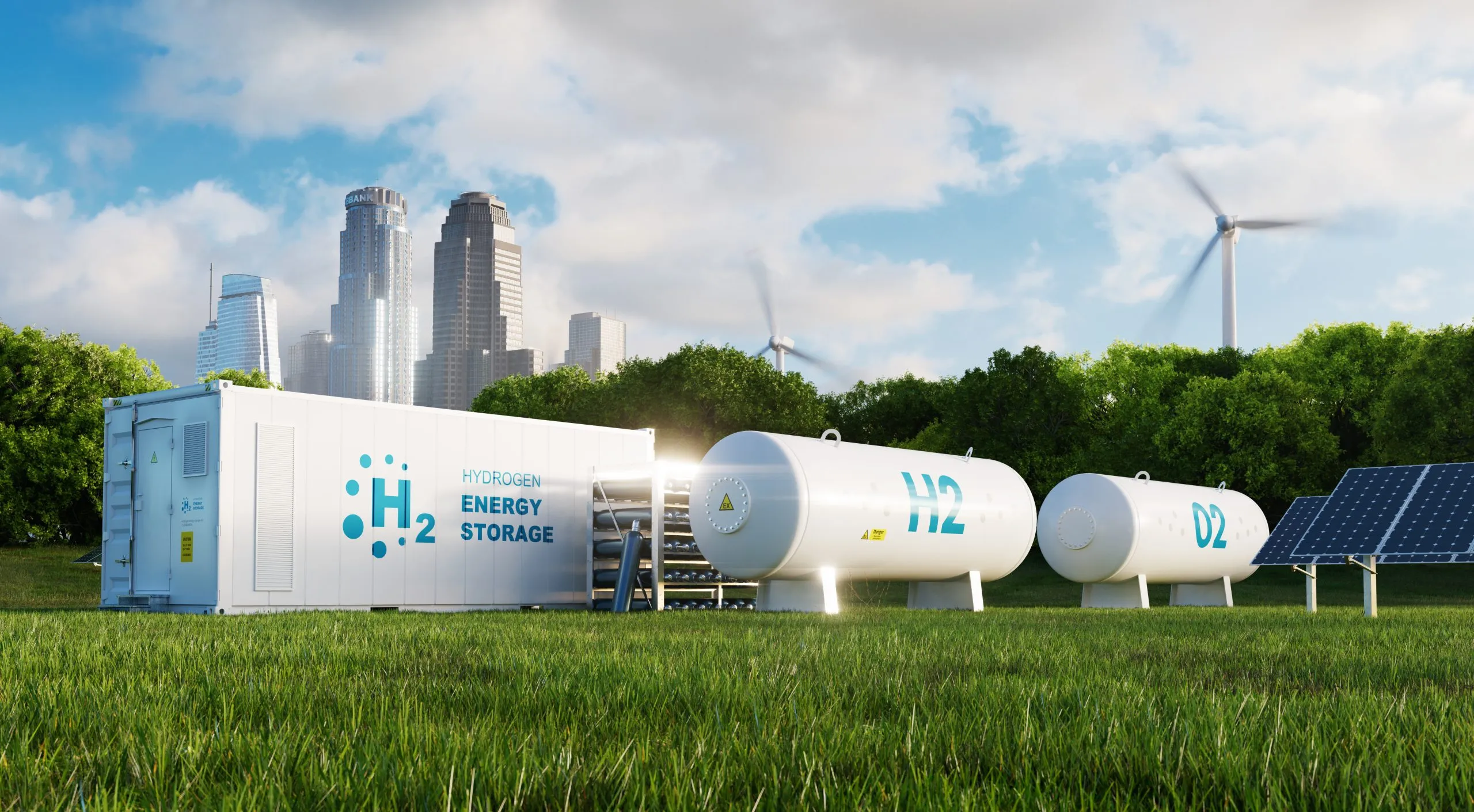
Oman is rapidly emerging as a key player in the global green hydrogen market, thanks to its abundant renewable energy resources and commitment to reducing carbon emissions. With vast potential for solar and wind power generation, the country is well-positioned to produce green hydrogen, a clean fuel with diverse applications in various sectors, including industry and transportation. As part of its diversification strategy, Oman has set ambitious targets to become a leading exporter of green hydrogen in the coming years. The market is expected to grow significantly, fuelled by technological advancements, supportive government policies, and rising global demand for clean energy solutions. Oman’s green hydrogen sector could play a crucial role in achieving a sustainable energy future both domestically and internationally.
Major Growth Drivers of Oman’s Green Hydrogen Market
Renewable Energy Potential and Green Hydrogen Production
Oman is blessed with abundant sunlight and strong winds, making it an ideal location for renewable energy production. With an average of 3,000 hours of sunlight per year and favorable wind conditions, the country is well-equipped to generate large amounts of renewable electricity. This power is key for producing green hydrogen through water electrolysis, a process that requires clean electricity.
Government Commitment and Strategic Vision
The government of Oman has shown strong commitment to green hydrogen as part of its diversification strategy. The country aims to reduce its dependence on fossil fuels and ramp up its renewable energy capacity. Oman has already set a target to become a leading green hydrogen exporter, with significant investments in large-scale hydrogen production projects. These government initiatives are supported by favorable policies, including financial incentives and tax breaks for companies investing in green hydrogen infrastructure.
Global Demand for Clean Hydrogen and Export Potential
The demand for clean hydrogen is rapidly growing, particularly in Europe and Asia, where countries are setting ambitious decarbonization goals. As a result, Oman is positioning itself as a strategic exporter of green hydrogen, leveraging its renewable energy resources. Oman is expected to be a key player in the global hydrogen market, in the coming years, with the potential to export large quantities of green hydrogen to countries seeking to meet their climate targets. This export potential, combined with growing international interest in sustainable energy, further accelerates the growth of Oman’s green hydrogen market.
Omani Government’s support to push Green Hydrogen Market
The Omani government has made green hydrogen a cornerstone of its sustainable energy strategy. With initiatives, the government is actively promoting the development of a hydrogen economy. Substantial investments are being made in infrastructure, including hydrogen production facilities, storage, and export terminals. Additionally, Oman is forging partnerships with international companies to enhance its technological capabilities and expand its green hydrogen sector. With these initiatives, Oman is positioning itself as a key player in the global clean energy transition.
Competitive Landscape of Oman’s Green Hydrogen Market
Oman’s green hydrogen market is attracting a mix of local and international players. Major global companies such as Siemens Energy and Air Products are working alongside local firms like Oman Oil Company and Oman Power and Water Procurement Company to develop green hydrogen production and export infrastructure. These collaborations are key to advancing the market by leveraging both local expertise and international technology. As the market matures, competition will intensify, with both local and foreign players contributing to the country’s ambitious green hydrogen goals.
Major Barriers faced by Green Hydrogen Market of Oman
Infrastructure Development and Storage Solutions
One of the major challenges for Oman’s green hydrogen market is the need for adequate infrastructure to support large-scale production, storage, and transportation. The development of hydrogen storage facilities and export terminals requires significant investment. Additionally, building a robust domestic distribution network to support hydrogen use in sectors like transportation and industry is critical. As demand for green hydrogen grows, Oman must address these infrastructure challenges to ensure seamless production and delivery to both local markets and international customers.
High Initial Capital Investment
While green hydrogen has the potential to drive significant economic growth, the initial capital required for large-scale hydrogen production facilities and infrastructure is substantial. The costs associated with setting up electrolysis plants, storage systems, and export infrastructure pose a challenge for investors. Although costs are expected to decrease over time, the high upfront investment can be a barrier for smaller players or those new to the market.
Future Outlook
The future of Oman’s green hydrogen market is incredibly promising. As the country continues to develop its renewable energy infrastructure and expand green hydrogen production capacity, Oman will play a key role in meeting the growing global demand for clean energy. The combination of government support, technological advancements, and strategic international partnerships will enable Oman to become a global leader in green hydrogen exports. In the next decade, Oman is poised to make significant strides in its transition to a sustainable energy future, contributing to global decarbonization efforts and diversifying its economy. The market’s success will depend on overcoming challenges such as infrastructure development and high initial costs, but with the right investments, Oman’s green hydrogen sector will be a major driver of the country’s sustainable growth.
Consultants at Nexdigm, in their latest publication Oman Green Hydrogen Market Oultook to 2035 analyze the sector by System Type (Electrolyzers, Storage System, Fuel cells, Distribution Infrastructure, End user equipment), by End User segment (Energy and Utilities, Transportation and Mobilities, Government and Public Services).
Nexdigm suggests that businesses should explore collaborations with the government and international partners to leverage financial incentives, infrastructure support, and technological advancements in the green hydrogen sector. Early adoption of green hydrogen will not only align businesses with Oman’s long-term energy goals but also position them as leaders in a low-carbon economy.
To take the next step, simply visit our Request a Consultation page and share your requirements with us.
Harsh Mittal
+91-8422857704