
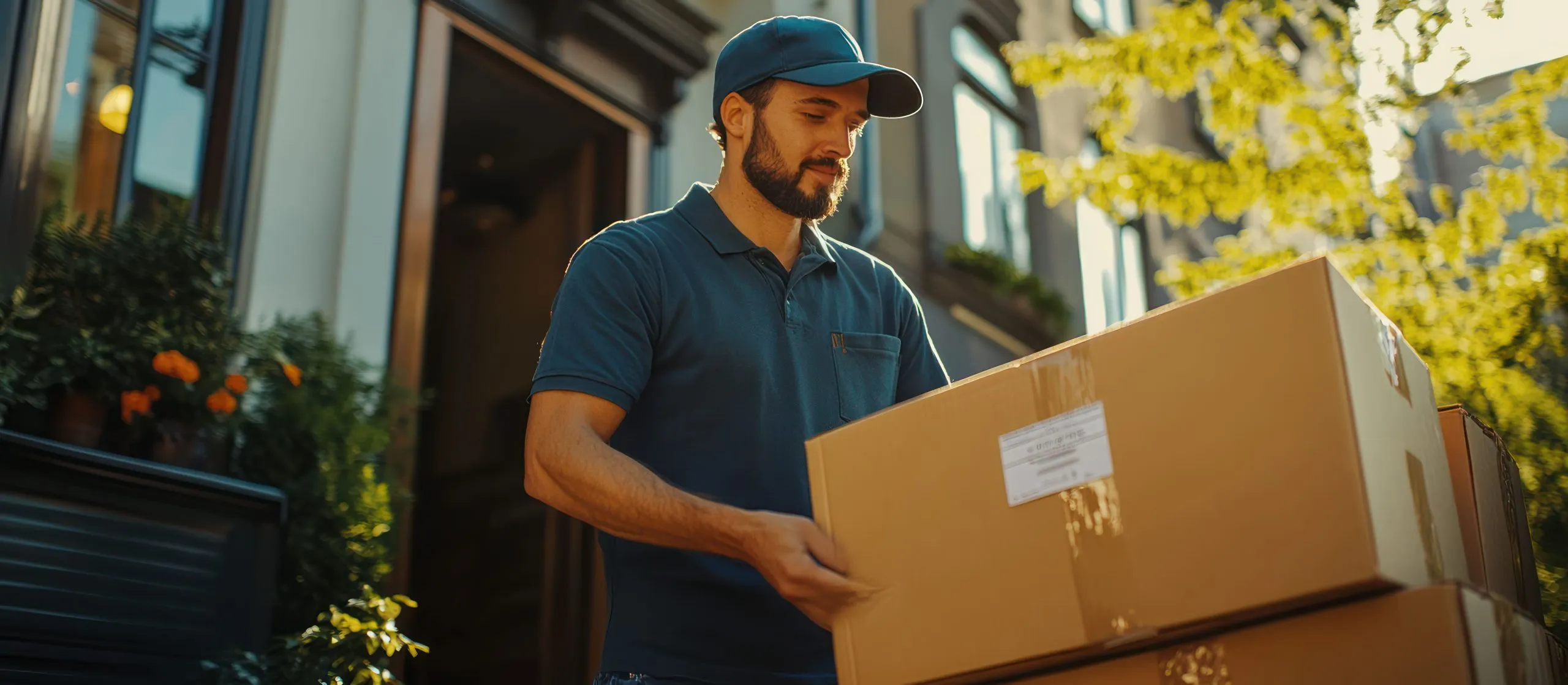
Oman’s logistics sector has been quietly evolving over the past few years, and last-mile delivery has started to take center stage within that shift. As of 2026, the rise of online shopping, paired with better internet access and digital payments, has begun to reshape how goods move from warehouses to doorsteps. While Oman does not yet match the scale of larger GCC markets like the UAE or Saudi Arabia, the pace of change is noticeable on the ground. Courier firms, food delivery riders, and small logistics startups are all competing to meet growing consumer expectations around speed and reliability. The result is a market that feels active, slightly fragmented, and still figuring out its most efficient model.
What’s Driving the Last-Mile Delivery Market in Oman?
E-commerce Expansion and Shifting Buying Habits
Online shopping in Oman has moved beyond occasional use to something far more routine, particularly among younger consumers. Categories such as electronics, fashion, and groceries have seen consistent traction. In practice, this means delivery volumes are no longer predictable peaks around festive seasons but steady flows throughout the year. Retailers are also adapting, offering wider assortments online than in-store, which naturally places more pressure on delivery networks to keep up. Payment behavior has also evolved, with digital wallets and card transactions reducing reliance on cash-on-delivery, making operations smoother for logistics providers.
Urban Growth and Demand for Faster Deliveries
Muscat remains the primary hub, but cities like Sohar and Salalah are becoming more relevant in delivery planning. With more people living in urban clusters, delivery expectations have shifted. Waiting three to four days is no longer acceptable for many customers. Same-day or next-day options are increasingly seen as standard, not premium. For logistics companies, this creates a constant balancing act between speed and cost. Route planning tools, smaller distribution hubs, and better fleet utilization are no longer optional investments. They are necessary just to stay competitive.
Rise of Food Delivery and Quick Commerce
Food delivery has arguably done more to shape last-mile behavior than traditional e-commerce. The demand for hot meals, groceries, and essentials within 30 to 60 minutes has forced companies to rethink delivery models entirely. Riders now operate in tightly defined zones, and businesses rely heavily on real-time tracking and dispatch systems. This segment has also lowered the barrier for new entrants, with smaller players entering the market using app-based platforms. While margins can be thin, the volume and frequency of orders make it an influential part of the broader delivery landscape.
Government-Led Initiatives
The Omani government has placed logistics high on its economic agenda under Vision 2040. Investments in ports, road networks, and free zones have improved the backbone of the supply chain. That said, last-mile delivery benefits indirectly rather than directly from these efforts. Digital transformation initiatives, including e-governance and smart city projects, are helping create a more connected environment where logistics can function more efficiently. There is also a gradual opening up to foreign investment, which has encouraged international players to test the waters in Oman’s delivery space. Still, regulatory clarity around emerging delivery models could improve further.
Market Competition
Competition in Oman’s last-mile delivery market feels uneven. Established courier companies dominate traditional parcel deliveries, especially for corporate clients and cross-border shipments. On the other hand, newer tech-enabled platforms are carving out space in on-demand and hyperlocal deliveries. What stands out is how differently these players operate. Larger firms rely on scale and network strength, while smaller startups focus on flexibility and speed. Partnerships between e-commerce platforms and delivery providers are becoming more common, often shaping customer experience more than brand loyalty itself.
Geographical Spread and Addressing Gaps
A common challenge in Oman is the combination of dispersed population and inconsistent addressing systems. Delivering within central Muscat may be straightforward, but reaching smaller towns or rural areas often requires additional coordination with customers. Drivers frequently depend on phone calls or messaging apps to locate exact delivery points. This adds time, increases fuel costs, and reduces overall efficiency. For companies trying to scale, this becomes a structural issue rather than a temporary inconvenience.
Future Outlook
Looking ahead, the trajectory for last-mile delivery in Oman appears steady rather than explosive. Growth will likely come from gradual improvements in infrastructure, better use of technology, and more refined delivery models. Automation, AI-based route optimization, and even electric delivery vehicles will start appearing more frequently, though adoption may take time outside major cities. Customer expectations will continue to evolve, particularly around delivery speed and transparency. Same-day services could become standard in urban areas, while rural coverage improves at a slower pace. There is also a realistic possibility of consolidation, with smaller players either scaling up or being absorbed by larger firms.
Consultants at Nexdigm, in their latest publication “Oman Last-Mile Delivery Market Outlook to 2035,” analyzed the market by Delivery Type (Parcel Delivery, Food Delivery, Grocery Delivery), By End User (E-commerce, Retail, Food & Beverage, Healthcare), and By Service Model (On-Demand, Scheduled, Same-Day Delivery). Nexdigm notes that companies focusing on practical efficiencies such as fleet utilization, localized delivery networks, and technology integration will likely find more success than those chasing rapid expansion without operational depth.
To take the next step, simply visit our Request a Consultation page and share your requirements with us.
Harsh Mittal
+91-8422857704