
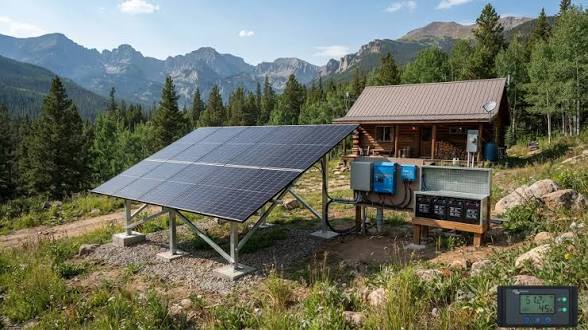
Pakistan’s off-grid solar energy market is gaining momentum as communities seek reliable alternatives to frequent power outages and limited grid connectivity. With abundant sunlight averaging 8-9 hours daily across many regions and strong solar irradiation levels, solar energy has become an increasingly attractive solution for households, farms, businesses, and remote communities. Rising electricity tariffs, growing awareness of clean energy, and technological advancements in battery storage are encouraging wider adoption. As energy security becomes a priority, off-grid solar systems are helping millions access dependable electricity while reducing reliance on conventional energy sources.
Market Drivers Advancing the Pakistan’s Off-Grid Solar Energy Industry
Rising Electricity Costs Encourage Solar Adoption
Increasing electricity prices have become one of the strongest catalysts for off-grid solar installations across Pakistan. Residential users, agricultural operators, and small businesses are turning to solar systems to manage escalating energy expenses. Reports indicate that Pakistan has witnessed significant growth in solar panel imports, reflecting strong demand for renewable energy solutions. For many households, off-grid solar systems offer predictable energy costs and greater independence from grid fluctuations. Rural communities that previously experienced extended outages are increasingly investing in solar-powered solutions to secure uninterrupted access to lighting, appliances, and essential services.
Expanding Energy Access in Rural and Remote Areas
A substantial portion of Pakistan’s remote population still faces challenges related to reliable electricity supply. Off-grid solar energy provides a practical and cost-effective alternative to extending conventional grid infrastructure across geographically dispersed regions. Solar-powered mini-grids, standalone home systems, and solar water pumps are helping improve productivity and quality of life. Farmers are leveraging solar technologies for irrigation, while rural schools and healthcare centers benefit from stable electricity for day-to-day operations. These developments are contributing to broader social and economic advancement throughout underserved areas.
Advancements in Solar and Battery Technologies
Declining solar panel prices and improvements in battery storage technology have significantly enhanced the viability of off-grid systems. Lithium-ion batteries are becoming more efficient and capable of storing larger amounts of energy for nighttime usage. Smart monitoring systems, improved inverters, and better energy management technologies are also increasing system reliability. These innovations are making off-grid solar solutions more attractive for consumers seeking dependable long-term energy alternatives.
Government Initiatives Supporting the Pakistan Off-Grid Solar Energy Industry
The Government of Pakistan continues to promote renewable energy adoption through supportive policies, net-metering frameworks, and renewable energy targets. Various provincial and federal initiatives encourage solar deployment in rural communities, agricultural sectors, and public infrastructure. Development organizations and financial institutions are also supporting solar projects through funding programs and awareness campaigns aimed at expanding access to clean and affordable electricity across the country.
Competitive Landscape of Pakistan’s Off-Grid Solar Energy Industry
The Pakistan off-grid solar energy market is highly dynamic, with participation from international technology providers, local solar installers, equipment distributors, and energy service companies. Key market participants focus on product innovation, system efficiency, financing options, and after-sales support. Strategic partnerships with rural development agencies and financial institutions are helping companies expand their presence in underserved regions while making solar solutions more accessible to end users.
Challenges Facing Pakistan’s Off-Grid Solar Energy Sector
Financing and Affordability Constraints
Although long-term savings are substantial, the upfront investment required for off-grid solar systems remains a barrier for many households and small businesses. Limited access to affordable financing options can slow adoption, particularly in lower-income communities.
Quality Standards and Technical Awareness
The presence of low-quality components and insufficient technical knowledge in certain areas can impact system performance and consumer confidence. Strengthening quality standards, installer training, and public awareness initiatives will remain important for sustaining market growth and ensuring positive user experiences.
Future Outlook
The future of Pakistan’s off-grid solar energy market appears highly promising as the country continues its transition toward sustainable and decentralized energy solutions. Growing demand for reliable electricity, declining technology costs, and increasing investment in renewable energy infrastructure are expected to support widespread adoption. Emerging innovations in battery storage, smart energy management, and solar-powered applications will further enhance market potential. As energy access remains a national priority, off-grid solar systems are poised to play a vital role in powering homes, farms, businesses, and remote communities across Pakistan.
Consultants at Nexdigm, in their latest publication “Pakistan Off-Grid Solar Energy Market to 2035” analyze the sector By Solar Energy System Type (Pico Solar Lighting Kits and Single-Room DC Power Units), By Storage Technology (Lead-Acid Battery Systems and Nickel-Cadmium Hybrid Packs) and By Geography (Punjab Region, Sindh Rural Districts and Azad Jammu and Kashmir).
Nexdigm suggests that businesses in “Pakistan Off-Grid Solar Energy Industry” focusses on oilfield, desalination, construction, and industrial applications, strengthen local warehousing, develop application-specific grades, improve technical support, and build resilient sourcing networks to serve expanding energy, water, and manufacturing demand.
To take the next step, simply visit our Request a Consultation page and share your requirements with us.
Harsh Mittal
+91-8422857704