
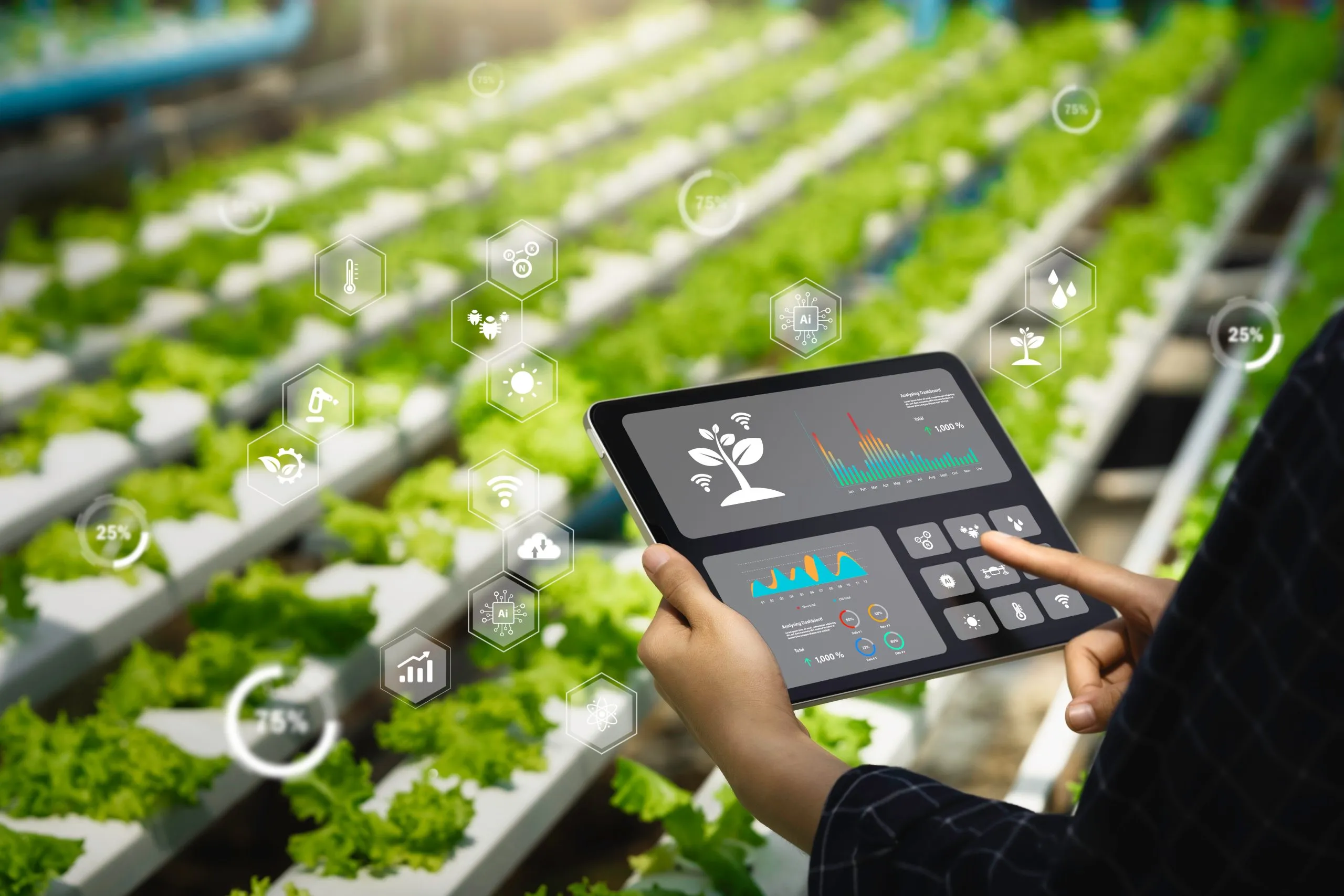
The Philippines agritech market is gaining attention as farmers, businesses, and policymakers look for better ways to improve productivity, reduce losses, and strengthen food security. Agriculture remains important to the country’s economy and livelihoods, but many farmers still face challenges linked to small landholdings, climate risks, limited mechanization, and market access. Agritech solutions such as digital marketplaces, farm management platforms, drones, weather advisory tools, and precision farming systems are helping bridge these gaps. As food demand rises and farming conditions become more unpredictable, technology is becoming a practical part of agricultural modernization.
Key market drivers are supporting agritech adoption across the Philippines
Smallholder farmers are creating demand for accessible digital solutions
The Philippines agriculture sector is largely made up of small farms, with average farm size declining to around 0.8 hectares in 2022. This creates a strong need for affordable and easy-to-use agritech tools that can support smallholder productivity. Digital platforms can help farmers access inputs, financing, weather information, advisory services, and buyers more efficiently. For many farmers, even simple mobile-based tools can make a difference by reducing information gaps and improving decision-making. As smartphones and internet access expand in rural areas, agritech companies have an opportunity to design solutions that match local farming realities.
Food security and productivity needs are pushing technology adoption
Agriculture contributes around 9% to GDP while employing about 22% of the workforce, showing a clear productivity gap that technology can help address. Agritech tools can improve crop monitoring, pest detection, irrigation planning, input use, and post-harvest management. These solutions are especially important as the country works to improve domestic food supply and reduce vulnerability to import dependence. Better data and automation can help farmers increase yields, control costs, and reduce waste across the value chain.
Climate risks are increasing the need for resilient farming systems
The Philippines is highly exposed to typhoons, floods, droughts, and changing rainfall patterns. These risks directly affect crop yields, farm incomes, and food prices. Agritech solutions such as climate advisory platforms, satellite monitoring, early warning systems, and crop insurance tools can help farmers prepare for disruptions. As climate uncertainty increases, resilience-focused technologies are becoming more relevant for both farmers and agribusinesses.
Government support and initiatives are strengthening digital agriculture
Government support is playing an important role in advancing the Philippines agritech market. The Digital Agriculture Roadmap 2023–2028 aims to improve digital infrastructure, farmer training, and collaboration with technology providers. Programs supporting farm mechanization, food security, digital payments, and rural connectivity are also helping create a more enabling environment for agritech adoption. These initiatives can support farmers, cooperatives, start-ups, and agribusinesses by improving access to tools, information, and markets.
Competitive landscape is becoming more innovation focused
The Philippines agritech market includes start-ups, digital agriculture platforms, drone service providers, input companies, financial technology firms, cooperatives, research institutions, and established agribusinesses. Competition is growing as companies develop solutions for farm advisory, supply chain traceability, digital marketplaces, precision farming, and farmer financing. Partnerships are becoming important because many solutions require local field knowledge, farmer networks, and institutional support. Companies that offer affordable, user-friendly, and locally relevant tools are more likely to gain adoption.
Market challenges continue to slow wider technology adoption
Affordability and digital literacy remain major barriers
Many smallholder farmers have limited income, making it difficult to invest in advanced tools, paid platforms, or modern equipment. Digital literacy can also be uneven across rural communities. Agritech solutions need to be simple, affordable, and supported by training to encourage regular use.
Infrastructure gaps limit the reach of digital agriculture
Poor internet connectivity, limited access to reliable power, fragmented logistics, and weak cold chain systems can restrict agritech adoption. These gaps make it harder for farmers to fully benefit from digital platforms, e-commerce, and data-driven farming tools. Stronger rural infrastructure will be essential for scaling agritech solutions.
Future outlook
The future outlook for the Philippines agritech market remains positive as food security, climate resilience, and farm productivity become stronger national priorities. Demand is expected to grow for digital marketplaces, precision agriculture, drone services, weather intelligence, farm financing, and supply chain technologies. Agritech companies that work closely with farmers, cooperatives, government agencies, and agribusinesses will be better positioned to scale. As digital adoption improves, agritech can help make Philippine agriculture more efficient, inclusive, and resilient.
Consultants at Nexdigm, in their latest publication “Philippines agritech market outlook to 2035,” analyze the sector By Technology Type (Agricultural Drones, Precision Agriculture Platforms, Smart Irrigation Systems), By Application Area (Yield Optimization Efficiency, Crop Monitoring Frequency, Water Usage Efficiency)
Nexdigm suggests that businesses in the Philippines agritech market should focus on affordable, farmer-friendly digital solutions that improve productivity, climate resilience, and market access.
To take the next step, simply visit our Request a Consultation page and share your requirements with us.
Harsh Mittal
+91-8422857704