
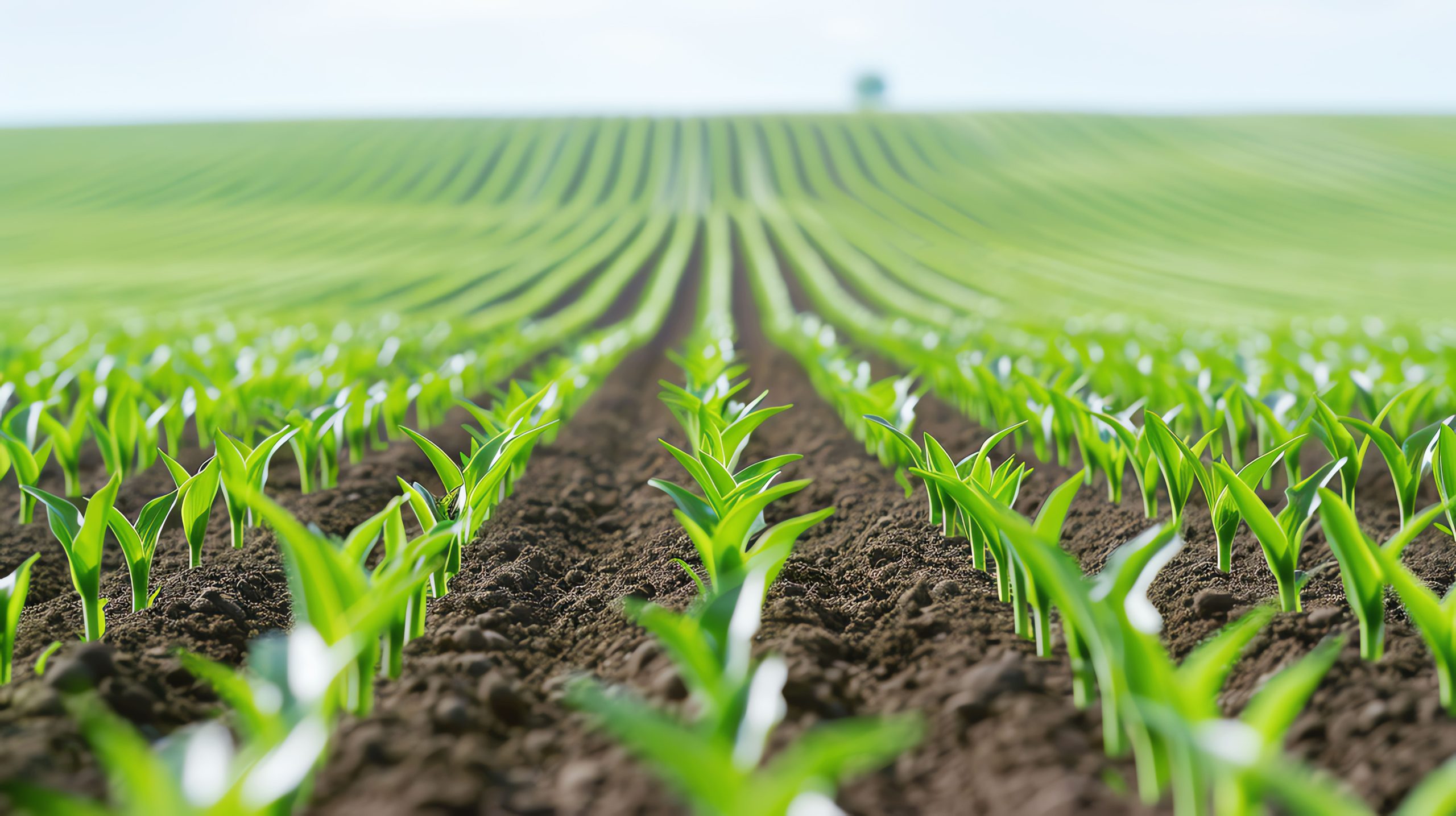
The Philippines agrochemical market is witnessing a steady transformation as the country strengthens food security efforts amid rising climate risks and yield volatility. Agriculture remains a vital pillar of the economy, employing over a fifth of the workforce and supporting staple crops such as rice, corn, bananas, pineapples, sugarcane, and coconut. As of 2025, the Philippines continued to rely heavily on imported crop protection chemicals and specialty fertilizers, with multinational manufacturers dominating supply. The increasing frequency of typhoons, pest outbreaks, and crop diseases has heightened demand for effective agrochemical solutions. At the same time, regulatory scrutiny and sustainability goals are reshaping product portfolios toward safer and more targeted formulations. The Philippines is not only expanding agrochemical usage but also recalibrating toward more resilient and environmentally responsible crop protection practices.
What’s Driving the Agrochemical Market in the Philippines?
Rising Food Security Pressure and Yield Optimization
The Philippines remains one of Southeast Asia’s major rice consumers, with domestic production struggling to keep pace with population growth and consumption patterns. Yield losses due to pests, weeds, and plant diseases continue to impact smallholder farmers, who account for the majority of cultivated land. The growing emphasis on yield optimization is driving demand for herbicides, insecticides, and fungicides, particularly in rice, corn, and high-value fruit crops. Government-backed programs to boost rice self-sufficiency and reduce post-harvest losses are indirectly supporting wider adoption of crop protection products across key farming regions such as Central Luzon, Cagayan Valley, and Western Visayas.
Climate Change and Pest Pressure
Climate volatility is intensifying pest infestations and disease cycles in the Philippines. Warmer temperatures and erratic rainfall patterns have increased the prevalence of brown planthopper in rice, fall armyworm in corn, and fungal infections in banana plantations. These evolving threats are accelerating the shift toward integrated pest management (IPM) solutions, combining conventional agrochemicals with targeted biological inputs. Farmers are increasingly seeking fast-acting formulations to protect crops during shortened growing windows caused by extreme weather events.
Commercialization of High-Value Crops
The expansion of export-oriented crops such as bananas, pineapples, and coconuts is strengthening demand for premium agrochemicals. Large plantations and agribusiness firms are adopting more advanced crop protection programs to meet export quality standards and phytosanitary requirements. This is encouraging the use of specialty fungicides, nematicides, and micronutrient-enriched fertilizers, particularly in Mindanao, which serves as the country’s main agri-export hub.
Government-Led Initiatives Supporting Modern Farming
The Philippine government continues to promote farm modernization through mechanization programs, digital extension services, and climate-resilient agriculture initiatives under the Department of Agriculture’s food security agenda. Subsidized access to farm inputs and training on responsible pesticide use are improving awareness of proper agrochemical application. In parallel, tighter regulatory oversight by the Fertilizer and Pesticide Authority (FPA) is encouraging the adoption of safer formulations, low-residue products, and precision application practices. These policies are gradually shifting demand toward compliant, branded agrochemical products over unregistered or counterfeit alternatives.
Market Competition and Distribution Landscape
The Philippines agrochemical market is moderately concentrated, with multinational players such as Syngenta, Bayer CropScience, BASF, Corteva Agriscience, and FMC Corporation dominating the organized segment. Local distributors and cooperatives play a critical role in last-mile distribution, particularly in rural areas. The rise of agri-input e-commerce platforms and mobile advisory apps is improving market access, price transparency, and farmer education. Over time, partnerships between agrochemical firms and agri-tech startups are expected to strengthen digital outreach and product customization for smallholder farmers.
High Import Dependence and Regulatory Challenges
The Philippines remains heavily dependent on imported active ingredients and finished formulations, exposing the market to currency fluctuations, logistics disruptions, and global supply chain risks. Regulatory approval timelines and evolving residue standards also pose challenges for faster introduction of newer, low-toxicity molecules. Additionally, concerns around environmental impact and water contamination are increasing scrutiny on chemical usage, prompting gradual shifts toward bio-based and low-dose products.
Future Outlook
The Philippines agrochemical market is expected to grow steadily through 2035, driven by food security imperatives, climate-resilient farming, and the commercialization of high-value crops. By 2035, demand is expected to tilt toward precision-applied herbicides, targeted insecticides, and integrated biological solutions, supported by digital advisory platforms and farm mechanization. The market is likely to witness greater adoption of eco-friendly formulations, residue-compliant products for export crops, and bundled solutions combining crop protection with micronutrients and soil health enhancers. While import dependence will remain high, strategic partnerships and localized formulation facilities may gradually improve supply chain resilience.
Consultants at Nexdigm, in their latest publication “Philippines Agrochemical Market Outlook to 2035”, analyzed the market by Product Type (Herbicides, Insecticides, Fungicides, Bio-pesticides, Specialty Fertilizers), By Crop Type (Rice, Corn, Fruits & Vegetables, Plantation Crops), and By Distribution Channel (Direct to Large Farms, Cooperatives, Agri-Dealers, Digital Platforms). Nexdigm believes that businesses should prioritize climate-resilient product portfolios, farmer education on responsible usage, and partnerships with digital agri-platforms to build trust and long-term growth in the Philippine agrochemical market.
To take the next step, simply visit our Request a Consultation page and share your requirements with us.
Harsh Mittal
+91-8422857704