
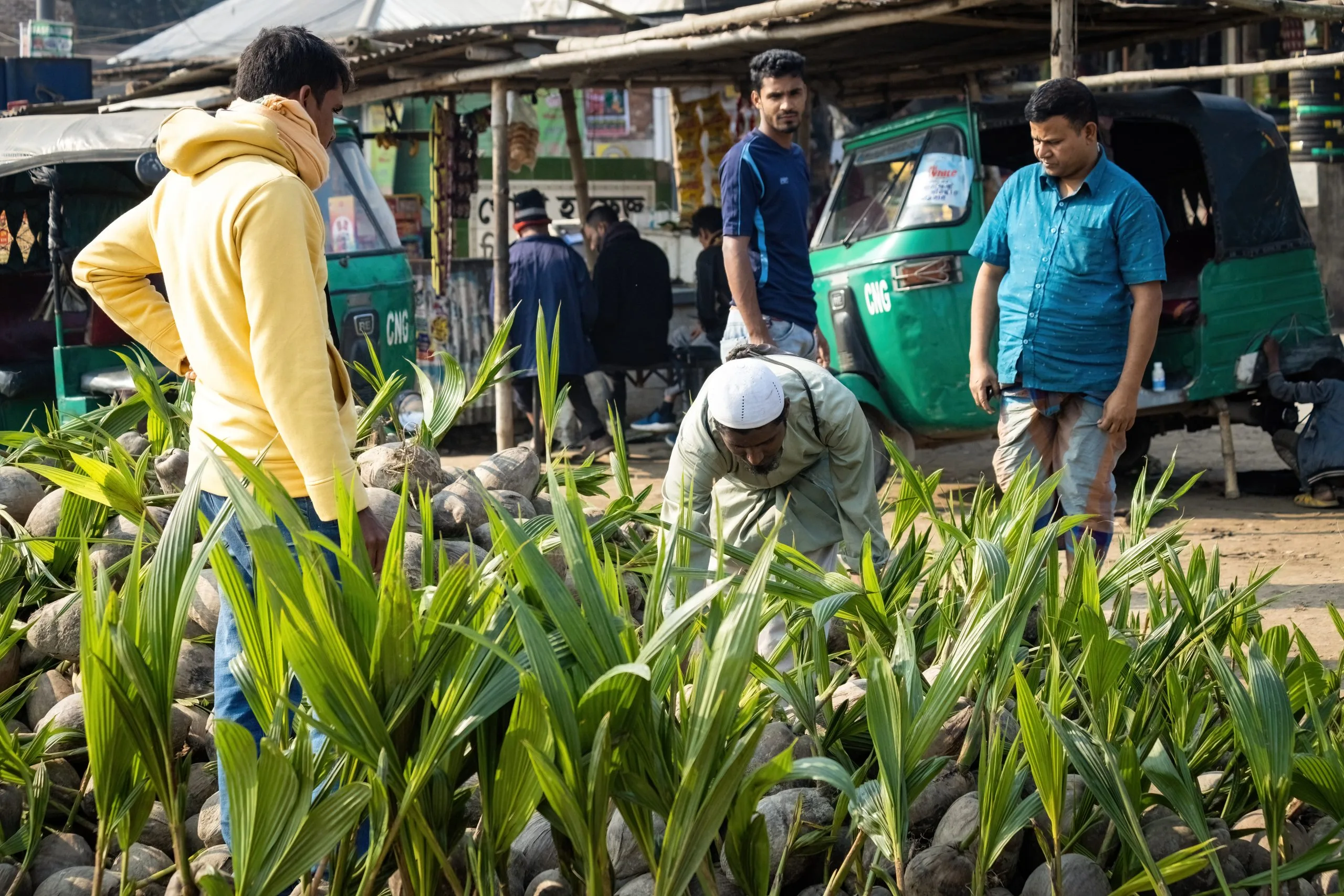
The Philippines Agrochemical Market plays a critical role in supporting the country’s agriculture sector, which contributes significantly to employment and food security. With over 5 million hectares of agricultural land, farmers rely heavily on fertilizers, pesticides, and herbicides to improve crop productivity and protect yields. Agrochemicals help enhance crop output by nearly 15–25% in key segments such as rice and corn, making them essential for meeting rising food demand. As farming practices evolve, the market is gradually shifting toward more efficient and sustainable input usage, balancing productivity with environmental considerations.
Key Growth Drivers of Philippines Agrochemical Market
Rising Demand for Higher Agricultural Productivity
The growing population in the Philippines is driving increased demand for food, pushing farmers to maximize agricultural output. Agrochemicals, including fertilizers and crop protection products, play a crucial role in improving yields and ensuring crop quality. Fertilizer use alone has been shown to increase crop productivity by up to 20–30%, particularly in staple crops like rice. This makes agrochemicals a vital component in maintaining consistent food supply and supporting the country’s agricultural economy. Additionally, improved crop protection helps reduce post-harvest losses, further boosting farm profitability.
Increasing Adoption of Modern Farming Practices
Farmers in the Philippines are gradually moving toward modern and mechanized farming techniques, which often require efficient input management. The use of herbicides has reduced manual labor requirements by up to 40%, making farming more cost-effective and manageable. Precision application methods and improved formulations are also helping farmers use agrochemicals more efficiently. This shift is enabling better resource utilization while minimizing waste, making modern farming both economically and environmentally viable.
Expansion of High Value Crops and Export Agriculture
The cultivation of high-value crops such as fruits, vegetables, and plantation crops is expanding, further driving demand for agrochemicals. These crops require consistent protection from pests and diseases, increasing the need for advanced crop protection solutions. As export-oriented agriculture grows, maintaining quality standards becomes critical. Agrochemicals provide the necessary support to meet international standards, boosting the competitiveness of Philippine agricultural products in global markets.
Government Support Strengthening Philippines Agrochemical Market
The government of the Philippines actively supports the agriculture sector through policies aimed at improving productivity and sustainability. Programs promoting balanced fertilizer use and integrated pest management are gaining traction across farming communities. Subsidies and training initiatives help farmers adopt modern agrochemical practices more effectively. These efforts are focused on enhancing food security while ensuring responsible and efficient use of agricultural inputs, aligning with long-term sustainability goals.
Competitive Landscape of Philippines Agrochemical Market
The Philippines Agrochemical Market is characterized by the presence of both multinational corporations and local players. Leading companies focus on offering a wide range of fertilizers, pesticides, and herbicides tailored to local crop requirements. Competition is driven by product innovation, pricing strategies, and strong distribution networks. Companies are also investing in farmer education and technical support to build long-term relationships and strengthen their market position.
Market Challenges in Philippines Agrochemical Market
Environmental Concerns and Regulatory Pressures
Increasing awareness around environmental sustainability is leading to stricter regulations on agrochemical usage. Concerns related to soil health, water contamination, and biodiversity loss are encouraging more responsible use of chemical inputs.
Limited Farmer Awareness and Proper Usage
A lack of awareness and technical knowledge among farmers can result in improper agrochemical use. This not only affects crop outcomes but also impacts environmental safety. Improving farmer education and access to guidance remains a key challenge for the market.
Future Outlook
The future of the Philippines Agrochemical Market is expected to be driven by a balance between productivity and sustainability. As the demand for food continues to rise, the need for efficient crop inputs will remain strong. Innovations in bio-based agrochemicals, precision application technologies, and integrated farming practices are likely to shape the next phase of growth. These advancements will help reduce environmental impact while maintaining high productivity levels. With continued government support and increasing awareness among farmers, the market is poised for steady growth, ensuring that the Philippines’ agriculture sector remains resilient, competitive, and future-ready.
Consultants at Nexdigm, in their latest publication “Philippines Agrochemical Market outlook to 2035,” analyze the sector By Product Type (Crop Protection Intensity, Application Frequency, Yield Enhancement Contribution, Pest Control Efficiency), By Crop Type (Cultivated Land Area, Crop Protection Dependency, Nutrient Consumption Intensity, Export Crop Relevance).
Nexdigm suggests that businesses should focus on promoting responsible agrochemical usage through farmer education, invest in precision application technologies, and expand into sustainable inputs such as bio-based fertilizers and eco-friendly crop protection solutions to align with evolving regulations and long-term agricultural sustainability in the Philippines.
To take the next step, simply visit our Request a Consultation page and share your requirements with us.
Harsh Mittal
+91-8422857704