
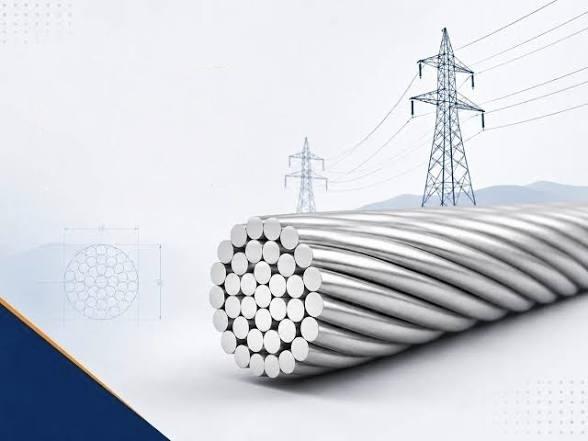
As the Philippines continues to modernize its electricity infrastructure, aluminum alloy conductors are becoming an increasingly important part of the country’s power network. The nation’s electricity demand has been rising steadily alongside population growth, urbanization, and industrial activity. At the same time, transmission and distribution utilities are upgrading aging networks to improve reliability and support future energy needs. The market is benefiting from the adoption of lightweight, corrosion-resistant, and cost-effective conductor solutions that can perform efficiently across the country’s diverse geographic conditions. With major transmission projects underway and renewable energy capacity expanding, aluminum alloy conductors are set to play a key role in powering the Philippines’ energy future.
Market Drivers Advancing the Philippines Aluminum Alloy Conductors Industry
Philippines Grid Modernization Creating Strong Demand for Advanced Conductors
One of the most significant growth drivers is the ongoing modernization of the Philippine power grid. The National Grid Corporation of the Philippines (NGCP) continues to invest in transmission upgrades and interconnection projects to improve power delivery across Luzon, Visayas, and Mindanao. The country’s installed power generation capacity has already surpassed 30 GW, while electricity demand continues to grow across residential, commercial, and industrial sectors. To accommodate this increasing load, utilities are investing in transmission lines that require durable and high-performance conductor solutions. Aluminum alloy conductors offer excellent conductivity, lower weight, and greater resistance to environmental degradation, making them ideal for these projects.
Renewable Energy Expansion Accelerating Philippines Aluminum Alloy Conductor Adoption
Renewable energy development is creating additional opportunities for conductor manufacturers. The Philippines remains one of Southeast Asia’s leading renewable energy markets, supported by significant investments in solar, wind, hydro, and geothermal projects. Several gigawatts of renewable energy projects are currently planned or under development across the country. Since many renewable facilities are located far from demand centers, extensive transmission infrastructure is needed to transport electricity efficiently. Aluminum alloy conductors help minimize transmission losses while maintaining mechanical reliability, making them a preferred solution for long-distance power transfer.
Urban Growth and Industrial Development Fueling Electricity Network Investments
The Philippines continues to experience rapid urban expansion, particularly in Metro Manila, Central Luzon, and emerging economic corridors. Growing industrial parks, commercial developments, data centers, and manufacturing facilities are increasing pressure on existing power infrastructure. The country’s urban population now represents more than half of the total population, driving continuous growth in electricity consumption. As businesses and communities demand uninterrupted power supply, utilities are expanding distribution networks and replacing aging conductors with more efficient aluminum alloy alternatives that offer longer service life and lower maintenance requirements.
Government Initiatives Supporting the Philippines Aluminum Alloy Conductors Market
Government initiatives aimed at strengthening energy security and expanding electrification are supporting market growth. The Department of Energy continues to promote renewable energy integration, transmission network expansion, and grid reliability improvements. Programs such as the Green Energy Auction Program and ongoing rural electrification efforts are encouraging investments in modern transmission infrastructure. These initiatives are expected to generate sustained demand for aluminum alloy conductors across the country.
Competitive Landscape of the Philippines Aluminum Alloy Conductors Sector
The market consists of both international and regional manufacturers competing through product performance, quality standards, and supply capabilities. Major participants include Prysmian Group, Nexans, Southwire Company, Sumitomo Electric Industries, and LS Cable & System. Industry players are focusing on technological innovation, high-capacity conductor solutions, and partnerships with utilities and infrastructure developers to strengthen their position in the growing Philippine market.
Challenges Facing the Philippines Aluminum Alloy Conductors Industry
Raw Material Price Volatility Affecting Industry Profitability
Aluminum prices can fluctuate significantly due to global supply chain disruptions, energy costs, and geopolitical developments. These price swings may increase manufacturing expenses and create procurement challenges for utilities and project developers.
Geographic Complexity Increasing Project Execution Costs
As an archipelago with more than 7,600 islands, the Philippines faces unique logistical challenges. Transporting conductors and transmission equipment to remote locations can increase installation costs and project timelines, impacting infrastructure development efficiency.
Future Outlook
The future of the Philippines aluminum alloy conductors market looks promising as the country continues investing in a stronger, greener, and more resilient power network. Rising electricity demand, expanding renewable energy capacity, and ongoing transmission upgrades are expected to drive steady demand for advanced conductor technologies. Over the coming years, utilities will increasingly prioritize solutions that improve efficiency, reduce maintenance requirements, and support long-distance power transmission. As energy infrastructure development remains a national priority, aluminum alloy conductors will continue to serve as a critical building block of the Philippines’ evolving power sector.
Consultants at Nexdigm, in their latest publication “Philippines Aluminum Alloy Conductors Market Outlook to 2035” analyze the sector By Power Transmission Tier (National Transmission Network and Industrial Renewable Energy Parks), By Regional Distribution Presence (Luzon Grid Expansion and Visayas Interconnection Projects) and By Procurement Channel (EPC Contractor Sourcing and Private Independent Power Producer Orders).
Nexdigm suggests that businesses in “ Philippines Aluminum Alloy Conductors Industry” focusses on oilfield, desalination, construction, and industrial applications, strengthen local warehousing, develop application-specific grades, improve technical support, and build resilient sourcing networks to serve expanding energy, water, and manufacturing demand.
To take the next step, simply visit our Request a Consultation page and share your requirements with us.
Harsh Mittal
+91-8422857704