
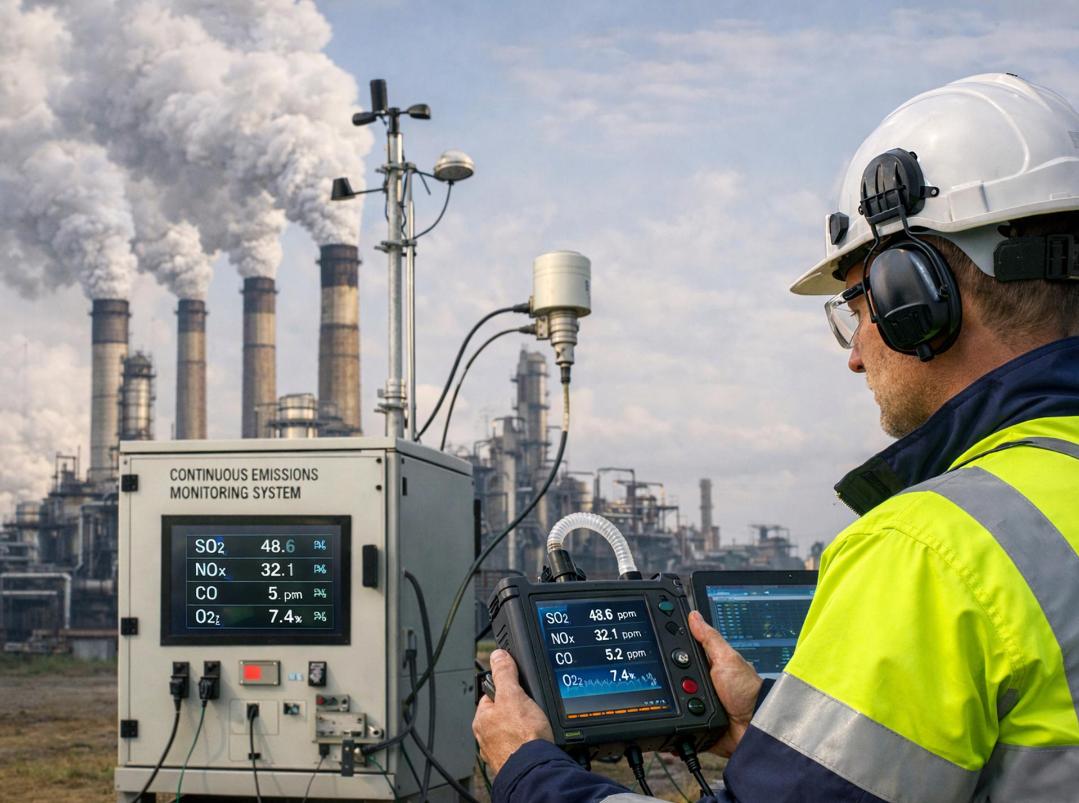
The Philippines ambient and industrial air quality monitoring systems industry is experiencing steady expansion as industries prioritize environmental compliance, workplace safety, and sustainable operations. The sector is projected to reach approximately USD 184.2 million and grow at a 6.8% CAGR through the forecast period. Rising industrial activities across manufacturing hubs such as Calabarzon, Biñan, and Santa Rosa are increasing demand for advanced monitoring technologies. Growing urbanization in Metro Manila and stricter emission control requirements are encouraging organizations to deploy real-time monitoring solutions, IoT-enabled sensors, and cloud-based analytics platforms to improve air quality management and operational efficiency.
Market Drivers Advancing Philippines Ambient and Industrial Air Quality Monitoring Systems Growth
Expansion of Manufacturing and Construction Activities
The rapid growth of manufacturing, construction, cement production, and power generation facilities is creating strong demand for air quality monitoring solutions. Industrial facilities are required to track particulate matter, sulfur dioxide, nitrogen oxides, and volatile organic compounds to comply with environmental regulations. Regions such as Calabarzon continue to attract investments in industrial infrastructure, increasing the need for continuous emissions monitoring systems.
Growing Adoption of Real-Time Monitoring Technologies
Organizations are increasingly investing in IoT-integrated sensors, cloud platforms, and automated reporting systems. Real-time monitoring enables faster detection of pollution events, reduces manual testing requirements, and improves operational decision-making. Smart environmental dashboards are becoming more common in heavily urbanized areas, allowing stakeholders to access air quality data instantly and respond proactively to environmental concerns.
Increasing Focus on Health and Environmental Protection
Air pollution remains a major public health concern in urban and industrial zones. Rising awareness regarding the health impacts of particulate matter and industrial emissions is encouraging private and public sectors to invest in advanced monitoring infrastructure. Businesses are also adopting environmental monitoring systems to support sustainability goals, ESG commitments, and decarbonization strategies. International climate initiatives and growing corporate responsibility programs further contribute to the industry’s development.
Government Initiatives Supporting Philippines Ambient and Industrial Air Quality Monitoring Systems Sector
The Philippine government continues to strengthen environmental monitoring through the enforcement of the Philippine Clean Air Act of 1999 and related emissions regulations. The Department of Environment and Natural Resources (DENR) promotes stricter emission monitoring requirements for industrial facilities, power plants, and cement manufacturers. Regulatory updates increasingly emphasize Continuous Emission Monitoring Systems (CEMS), encouraging industries to invest in modern monitoring technologies while supporting national sustainability and clean-air objectives.
Competitive Landscape of Philippines Ambient and Industrial Air Quality Monitoring Systems Industry
The competitive environment includes global environmental technology providers, local system integrators, and specialized monitoring service companies. Industry participants compete through sensor innovation, cloud-based analytics, remote monitoring capabilities, and regulatory compliance expertise. Companies are increasingly focusing on integrated solutions that combine hardware, software, and data management platforms. Strategic collaborations with industrial clients, government agencies, and environmental consultants remain important for strengthening market presence.
Challenges Impacting Philippines Ambient and Industrial Air Quality Monitoring Systems Industry
High Installation and Maintenance Costs
Advanced monitoring systems require substantial investments in sensors, communication infrastructure, calibration services, and software platforms. Small and medium-sized industrial operators may face budget constraints that slow adoption rates.
Technical and Infrastructure Limitations
Many industrial facilities continue to rely on conventional monitoring methods. Limited technical expertise, equipment calibration requirements, and integration challenges with existing environmental management systems can affect implementation efficiency and long-term performance.
Future Outlook
The future of the Philippines ambient and industrial air quality monitoring systems sector appears positive as environmental compliance requirements become more stringent, and industries pursue digital transformation initiatives. Increased adoption of AI-driven analytics, IoT-enabled monitoring networks, and cloud-based reporting platforms is expected to improve monitoring accuracy and operational efficiency. Expanding industrialization, continued urban development, and stronger sustainability commitments will further accelerate demand. As regulatory standards evolve and environmental awareness increases, advanced air quality monitoring solutions are likely to become an essential component of industrial operations across the Philippines.
Consultants at Nexdigm, in their latest publication “Philippines Ambient and Industrial Air Quality Monitoring Systems Market Outlook to 2035,” analyze the sector By (DENR-EMB Policy Document Analysis, Top-Down Market Sizing Framework, Bottom-Up Industrial Site Assessment, Expert Interviews With Regional Integrators, Competitive Landscape Triangulation, Sensor Technology Growth Forecasting,).
Nexdigm suggests that businesses in the Philippines Ambient and Industrial Air Quality Monitoring Systems Industry focus on investments in IoT-enabled sensors, real-time analytics platforms, and compliance-focused monitoring solutions. Strengthening environmental reporting capabilities and aligning with evolving emission regulations can enhance operational efficiency, sustainability performance, and long-term competitiveness.
To take the next step, simply visit our Request a Consultation page and share your requirements with us.
Harsh Mittal
+91-8422857704