
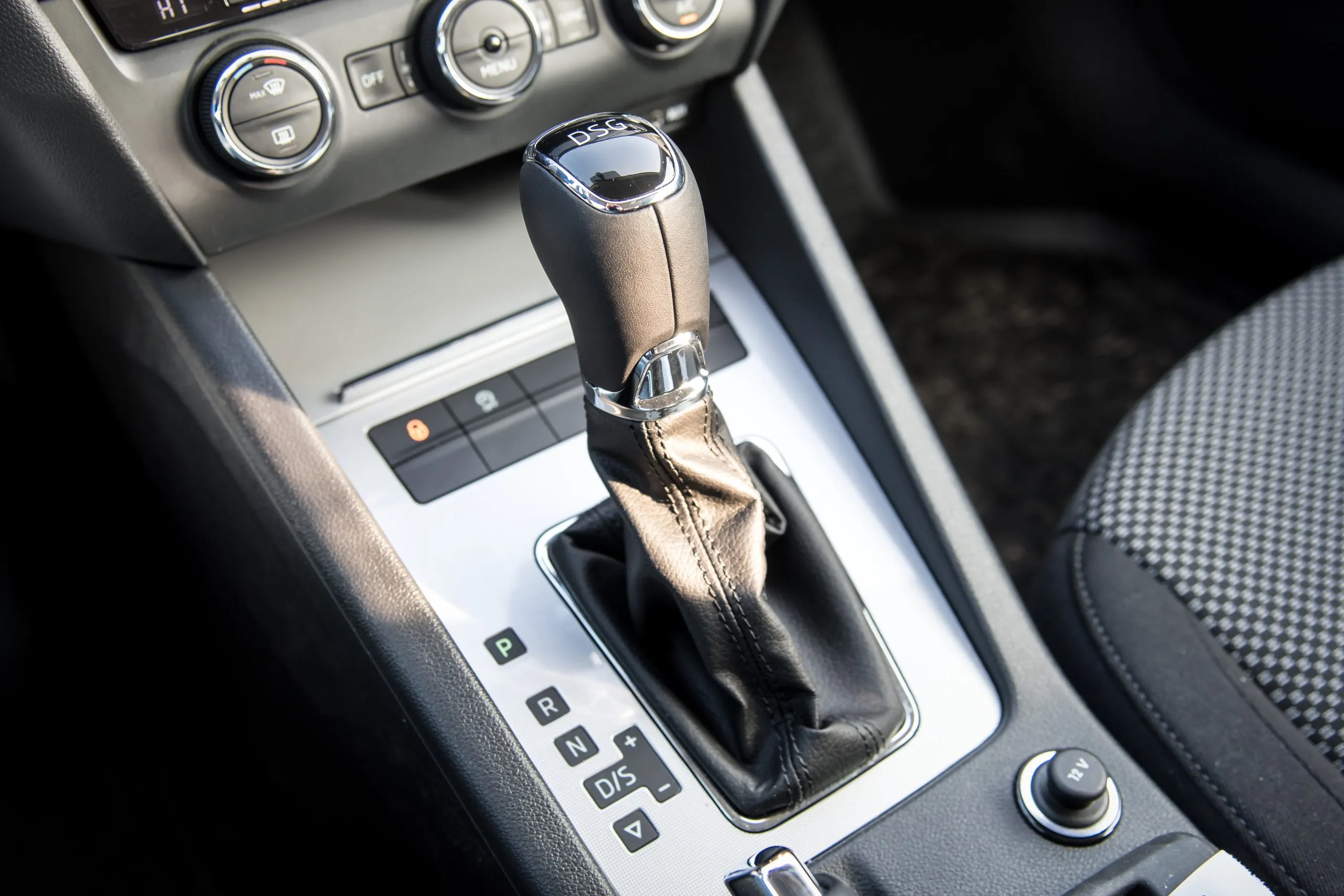
The Philippines automatic transmissions market is poised for steady expansion through 2035, underpinned by rising demand for passenger vehicles and a shift toward advanced drivetrains. With urbanization and disposable incomes on the rise, more Filipino consumers are choosing automatic vehicles for convenience and a smoother driving experience, particularly in high-traffic metropolitan areas. This structural shift is influencing both passenger and commercial vehicle segments, driving broader adoption of automatic, continuously variable (CVT), and dual-clutch transmission systems.
Key Trends and Drivers Shaping Market Expansion
Growing Urbanization and Convenience Demand
Rapid urban growth across Manila, Cebu and other key cities has increased traffic congestion and daily commute times. Automatic transmissions are increasingly favored for ease of use in stop‑and‑go traffic, contributing to higher market uptake compared with manual transmissions. Improvements in living standards and greater access to vehicle financing have also made automatic transmissions more attainable for middle‑income households.
Technological Advancements and Fuel Efficiency
Advances in transmission technology, including CVTs and dual‑clutch systems, are improving fuel economy and performance. These developments make automatic vehicles more efficient and appealing, especially for consumers to balance running costs with comfort. Automakers are progressively introducing newer models with advanced automatic configurations to meet evolving customer preferences.
Commercial Vehicle Segment Expansion
Demand in sectors such as logistics and freight is increasing interest in robust automatic and automated manual transmissions for light and heavy commercial vehicles. Growth in infrastructure investment and regional connectivity is expected to sustain commercial vehicle sales, indirectly supporting transmission system demand.
Government Policies and Incentives Boosting the Automatic Transmission Market
The Philippine government is advancing industry modernization through initiatives such as the Comprehensive Automotive Resurgence Strategy (CARS), which offers fiscal incentives to attract automotive investments and enhance local manufacturing capabilities. These policies aim to strengthen the supply chain and enhance competitiveness in vehicle and component production. Broader national goals focus on strengthening industrial output, technology transfer, and employment growth across the automotive value chain.
Key Manufacturers and Industry Competition Overview
The automatic transmission market in the Philippines remains import‑dependent, with major suppliers from Japan, Indonesia, Thailand, South Korea and China continuing to dominate equipment and parts flows. High market concentration reflects reliance on established global OEMs and transmission system manufacturers. Companies are prioritizing localization efforts and partnerships to reduce costs and bolster supply chain resilience. Domestic repair and servicing sectors are also expanding due to the growing installed base of automatic vehicles.
Key Challenges and Barriers Facing the Philippine Automatic Transmission Market
Cost and Skills Barriers
High initial cost of vehicles equipped with advanced automatic transmissions remains a restraint in a price‑sensitive market. Additionally, limited availability of skilled technicians trained in advanced automatic transmission diagnostics and servicing presents operational challenges, particularly outside major urban centers. Evolving regulatory and consumer interest in electric vehicles will require further adaptation from traditional transmission suppliers.
Future Outlook
Through 2035, the Philippines automatic transmissions market is expected to grow steadily, supported by urban mobility trends and rising consumer preference for comfort and efficiency. Ongoing infrastructure upgrades and expanding commercial fleets will sustain demand across vehicle segments. However, the increasing adoption of electrified powertrains (EVs and hybrids) presents a long‑term shift that may temper traditional automatic transmission growth, as EVs often use different transmission architectures. Despite this, transitional technologies such as hybrid transmissions will bridge demand, while manufacturing localization initiatives and skilled workforce development will shape long‑term competitiveness.
Consultants at Nexdigm, in their latest publication “Philippines Automatic Transmissions Market Outlook 2035,” analyze the sector by System Type (Torque Converter Automatic Transmission, Continuously Variable Transmission, Dual Clutch Transmission, Automated Manual Transmission), By Platform Type (Passenger Cars, Light Commercial Vehicles, Heavy Commercial Vehicles), and By Fitment Type (OEM Fitment, Aftermarket Replacement, Retrofitting Solutions). Nexdigm suggests that businesses should prioritise investment in local supply chain development and technology upgradation to capitalize on the growing demand for advanced automatic transmission systems, while also building stronger after‑sales service networks and workforce skills to address operational challenges and enhance competitive positioning.
To take the next step, simply visit our Request a Consultation page and share your requirements with us.
Harsh Mittal
+91-8422857704