
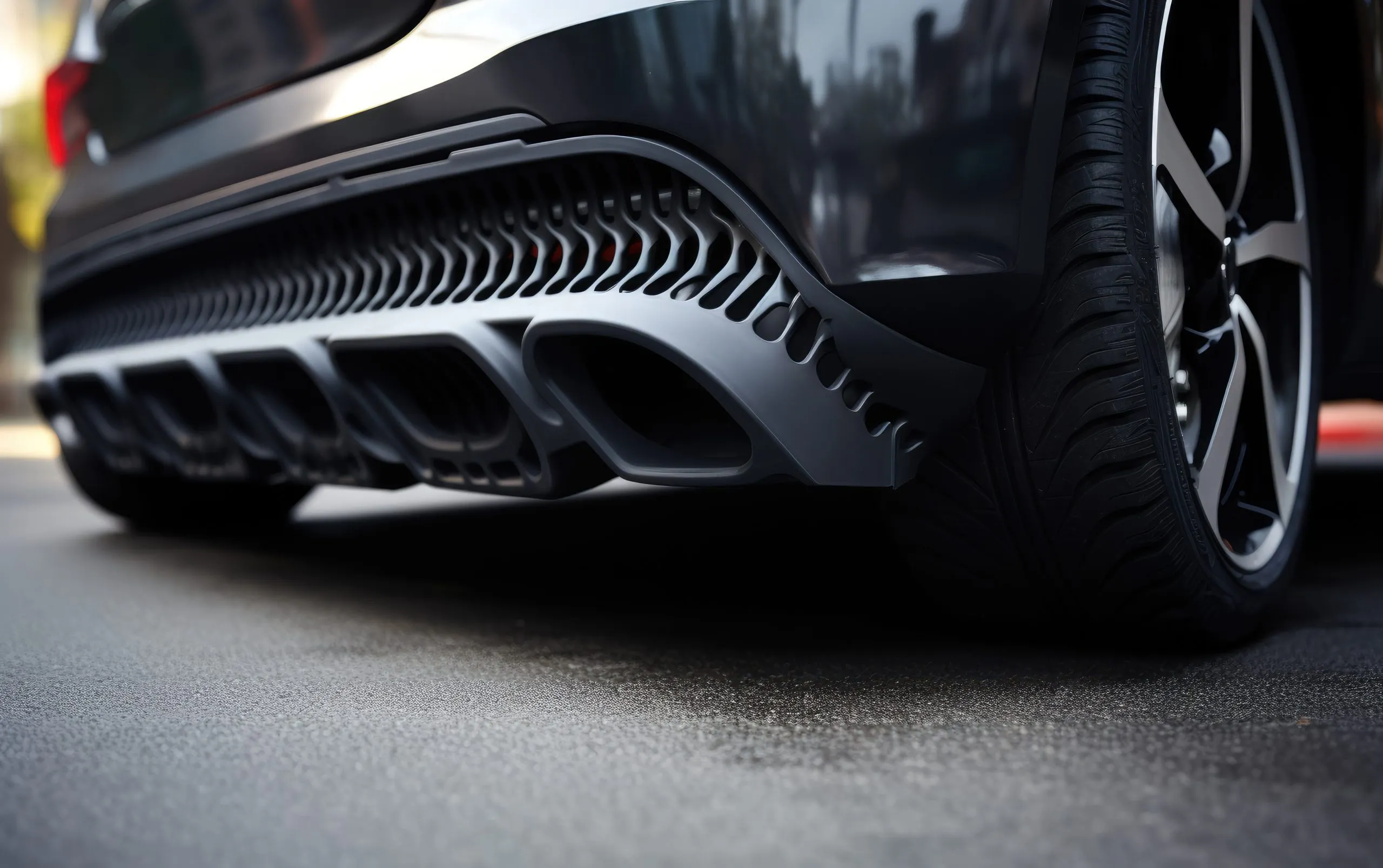
The Philippines automotive parts industry has been changing steadily over the past few years, and bumpers have quietly become one of the more active segments within the replacement parts business. Rising vehicle ownership, dense traffic conditions, and a growing preference for affordable repairs are all shaping demand. In cities such as Metro Manila and Cebu, even minor road incidents often lead to bumper replacements because modern plastic bumpers crack or deform more easily than older metal designs. At the same time, local distributors are seeing stronger movement in imported aftermarket components coming from Thailand, China, and Taiwan. While the country still relies heavily on imported automotive parts, local manufacturing activity has started to gain some ground. A few domestic plastics and molding companies are moving into automotive-grade production, particularly for entry-level passenger vehicles and utility vans. In practice, the market sits in an interesting middle ground – consumers want low-cost parts, but vehicle owners are also becoming more conscious about fit, finish, and durability.
What’s Driving the Automotive Bumpers Market in the Philippines?
Growing Vehicle Population and Heavy Urban Traffic
Car ownership in the Philippines has expanded beyond affluent urban households. Financing schemes, lower down payments, and the popularity of compact SUVs have brought more vehicles onto already congested roads. That naturally creates a larger replacement market for exterior parts. Bumpers are among the first components damaged during stop-and-go traffic incidents, parking mishaps, or flooding situations common during the monsoon season. Pickup trucks have also become increasingly popular outside Metro Manila, particularly in provincial regions where roads are uneven and accident risks are higher. For many repair shops, bumper replacements have become routine business rather than occasional work.
Expansion of the Automotive Aftermarket
The aftermarket trade has become far more organized compared to a decade ago. Online parts sellers now compete directly with traditional auto supply stores, giving consumers easier access to lower-cost replacement bumpers. Many customers compare prices through social media marketplaces before visiting repair garages. There is also a visible split in buyer behavior. Owners of economy vehicles often choose cheaper imported bumper assemblies, even if paint matching or material quality is inconsistent. Premium vehicle owners, on the other hand, tend to favor OEM-compatible parts because poor fitment can affect resale value. That gap between affordability and quality continues to shape competition in the industry.
Shift Toward Localized Manufacturing
Local production remains relatively small compared to neighboring Thailand, yet there are signs of gradual progress. Some Philippine-based plastics manufacturers have begun supplying molded exterior parts to vehicle assemblers operating domestically. The motivation is practical rather than ambitious – reducing shipping costs and avoiding delays linked to imported inventories. Lightweight thermoplastic bumpers are receiving more attention as automakers attempt to improve fuel efficiency standards. Still, local manufacturers face pressure from cheaper imported products. A common challenge on the ground is maintaining consistent production quality while keeping prices competitive enough for mass-market buyers.
Government-Led Initiatives Supporting Automotive Manufacturing
Government policies aimed at strengthening domestic vehicle assembly have indirectly supported the bumper market as well. Programs tied to local automotive production incentives encouraged assemblers to source more components within the country whenever possible. Infrastructure spending has also played a role, though not always in obvious ways. Better road connectivity has increased vehicle movement across provinces, leading to higher wear and tear on automotive components. At the same time, improved logistics networks have made it easier for replacement-part distributors to serve secondary cities where organized auto retail was previously limited.
Market Competition and Industry Landscape
Competition in the Philippines automotive bumpers market remains intense and somewhat fragmented. Imported aftermarket products dominate volume sales because price sensitivity remains extremely high among consumers. Chinese and Thai suppliers continue to hold a strong presence, especially in the replacement segment. Local manufacturers compete by offering faster delivery timelines and customized production runs for distributors. Some repair shops now prefer working with nearby suppliers because imported inventories can fluctuate depending on shipping schedules and currency movements. That said, imported products still maintain an advantage in scale and pricing.
Dependence on Imported Materials and Components
One issue that continues to limit the domestic industry is reliance on imported raw materials. Automotive-grade plastics, resins, and specialized coatings are still sourced largely from overseas suppliers. When shipping costs rise or exchange rates become unstable, local manufacturers feel the pressure almost immediately. Smaller firms face another problem – they often lack the production scale needed to compete with large Asian exporters. As a result, many businesses operate on thin margins while balancing quality expectations from increasingly selective consumers.
Future Outlook
The Philippines automotive bumpers market is likely to see stable long-term demand as vehicle ownership continues to rise and aging vehicles stay on the road longer. Replacement activity will remain the backbone of the industry, particularly in urban centers where traffic congestion rarely improves. Digital auto parts platforms may gradually formalize parts distribution, giving buyers better visibility into pricing and product quality. Over time, locally manufactured bumpers could gain a stronger foothold if manufacturers manage to improve consistency without losing cost competitiveness. For now, the market remains practical, price-conscious, and heavily shaped by real-world driving conditions across the country.
Consultants at Nexdigm, in their latest publication “Philippines Automotive Bumpers Market Outlook to 2035,” analyzed the industry by Vehicle Type (Passenger Cars, Commercial Vehicles, Two-Wheelers), By Material Type (Plastic, Fiberglass, Metal, Carbon Fiber), By Sales Channel (OEM, Aftermarket), and By Application (Front Bumpers, Rear Bumpers). Nexdigm believes that businesses should prioritize localized manufacturing partnerships, investment in lightweight polymer technologies, and expansion of organized aftermarket distribution networks to capitalize on the long-term growth opportunities in the Philippines automotive bumpers industry.
To take the next step, simply visit our Request a Consultation page and share your requirements with us.
Harsh Mittal
+91-8422857704