
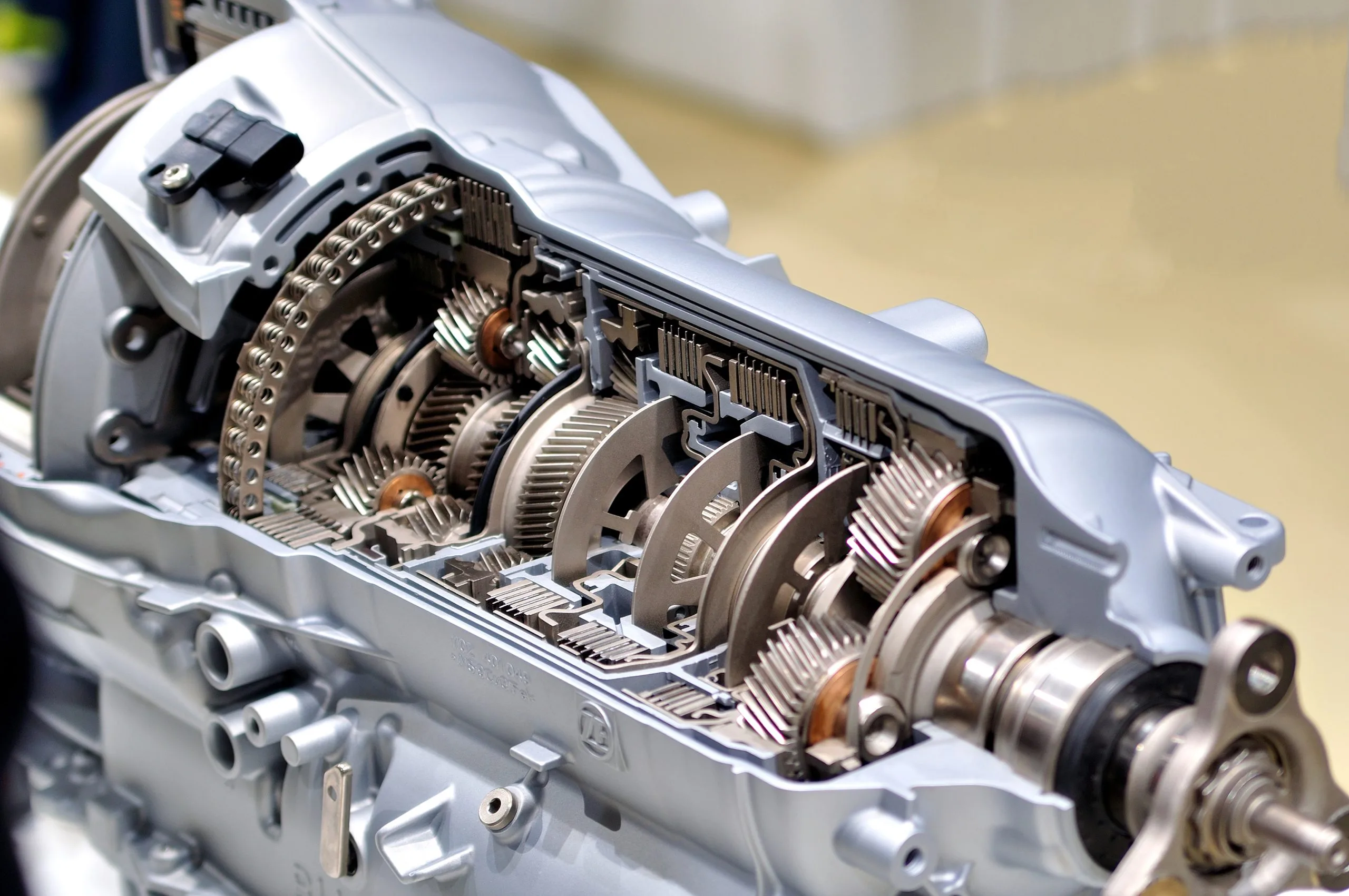
The Philippines’ automotive differential market is gaining traction as vehicles with better traction and handling become increasingly popular. Differentials, which control how torque is distributed to wheels, are essential for passenger cars, SUVs, and commercial vehicles. With growing vehicle ownership, rising demand for SUVs, and a focus on performance and safety, the market is poised for steady growth. Advanced differentials, such as limited-slip and electronic systems, are slowly entering the local market, reflecting a shift toward vehicles that offer better stability, fuel efficiency, and driving experience.
Factors Driving Growth in the Philippines Differential Market
Rising Vehicle Ownership and SUV Popularity
The increasing number of vehicles on Philippine roads is a major growth factor. New car registrations have steadily grown, particularly for SUVs and light commercial vehicles. These vehicles often require more advanced differentials, such as four-wheel-drive or limited-slip systems, to handle diverse road conditions. As households’ purchasing power rises, demand for vehicles with better traction and stability is expected to drive differential sales.
Technological Advancements
Modern differentials are becoming more sophisticated. Electronic limited-slip differentials (ELSD) and torque-vectoring systems are gradually being adopted to meet consumers’ expectations for safety and performance. The global differential market is expected to grow at a CAGR of around 4.5% by 2035, reflecting the rising demand for high-tech driveline solutions. This trend is slowly influencing the Philippine market as manufacturers introduce more advanced drivetrains in local models.
Commercial and Industrial Demand
Infrastructure development and industrial growth are boosting the use of commercial vehicles, which rely on robust differentials. Trucks for construction, logistics, and agriculture need durable drivetrain systems to navigate rough roads. This steady demand ensures continued aftermarket and OEM opportunities for differential suppliers.
Government Policies and Industry Support Driving Market Growth
While there are no specific differential-focused programs, the Philippine government supports the automotive industry through incentives for local manufacturing, assembly, and import rationalization. Policies promoting electric and hybrid vehicles indirectly encourage advanced driveline components, including electronic differentials. Tax breaks, import duty rationalization, and infrastructure initiatives make it easier for local and foreign manufacturers to expand operations, supporting the market’s long-term growth potential.
Market Competition and Leading Differential Suppliers
The market is competitive, with international suppliers and local players serving both OEM and aftermarket channels. Japanese, Korean, and ASEAN manufacturers dominate, offering advanced and cost-effective solutions. Players compete on technology, reliability, and pricing while also navigating import regulations. Partnerships between local assemblers and foreign suppliers help maintain a steady supply of high-quality differentials, ensuring the market remains dynamic and innovation-driven.
Challenges Facing the Philippine Differential Market
Cost and Quality Concerns
High import duties increase the price of differentials, making them less accessible for some buyers. Additionally, the presence of lower-cost refurbished or counterfeit components can affect quality and reliability. These issues challenge aftermarket growth and raise safety concerns, requiring stricter regulations and consumer awareness to maintain trust in genuine products.
Future Outlook
By 2035, the Philippines’ differential market is expected to grow steadily. Rising adoption of SUVs, light commercial vehicles, and electric/hybrid models will drive demand for advanced differentials. Global trends indicate the differential market could surpass USD 40 billion by 2035, reflecting widespread adoption of modern driveline technologies. For the Philippines, this growth will be supported by infrastructure development, industrial activity, and evolving consumer preferences for safer, more efficient vehicles, making differentials a critical component of the country’s automotive future.
Consultants at Nexdigm, in their latest publication “Philippines Differentials Market Outlook 2035,” analyze the sector by System Type (Open Differentials, Limited Slip Differentials, Locking Differentials, Torque Vectoring Differentials), By Platform Type (Passenger Vehicles, Light Commercial Vehicles, Heavy Commercial Vehicles), and By Fitment Type (Front Axle Fitment, Rear Axle Fitment, All Wheel Drive Fitment). Nexdigm suggests that businesses should focus on strengthening local supply chains, investing in advanced drivetrain technologies, and aligning with government initiatives to capture the growing demand for high-performance and electric vehicles in the Philippines. By prioritizing quality, innovation, and regulatory compliance, companies can differentiate themselves in a competitive market while tapping into opportunities created by rising vehicle ownership and evolving consumer preferences.
To take the next step, simply visit our Request a Consultation page and share your requirements with us.
Harsh Mittal
+91-8422857704