
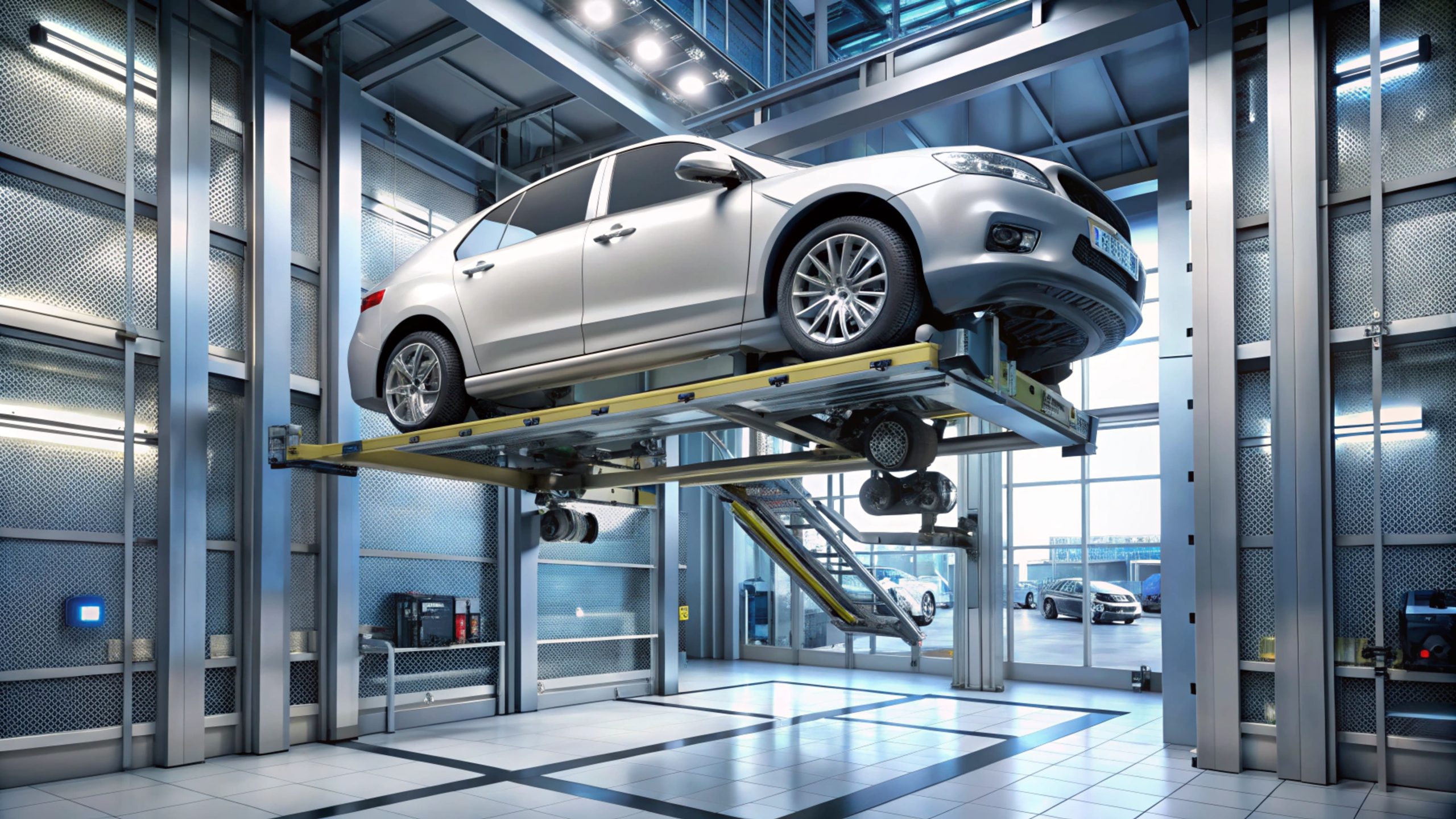
The Philippines automotive lifts market is moving into a more practical phase of development, shaped less by hype and more by what workshops actually need on the ground. As vehicle ownership continues to rise and service intervals become more frequent, repair bays are under pressure to handle more jobs in less time. That shift matters because lifts are no longer seen as optional equipment reserved for large dealership workshops. They are becoming a basic requirement for garages that want to work faster, safer, and with less dependence on manual handling. This is happening at a time when the country’s automotive industry is still expanding. Passenger cars, pickup trucks, vans, and light commercial vehicles all contribute to workshop demand, especially in urban centers such as Metro Manila, Cebu, and Davao. For many service businesses, the decision to install lifts is not only about modernizing the shop floor. It is also about staying competitive in a market where customers increasingly expect faster turnaround, cleaner facilities, and more professional service standards.
What’s Driving the Automotive Lifts Market in the Philippines?
Growing Vehicle Population and Higher Service Loads
A larger vehicle parc naturally means more oil changes, brake jobs, suspension checks, tire replacements, and underbody repairs. In practical terms, that puts pressure on service centers to improve bay efficiency. A workshop that relies only on floor jacks and pits can quickly fall behind, particularly during peak service periods or fleet maintenance cycles. This is where lifts make a direct business case. A two-post or scissor lift allows technicians to access the undercarriage faster and with less physical strain. It also reduces service bottlenecks. In a market like the Philippines, where many workshops operate with limited floor space, even one well-utilized lift can change daily throughput quite significantly.
Rise of Independent Garages and Multi-Brand Workshops
One noticeable shift in the Philippines automotive aftersales market is the growing importance of independent garages. Many car owners move away from dealership servicing once warranty periods end, especially when cost becomes a bigger concern. That creates room for multi-brand workshops, neighborhood service centers, and specialized repair shops to expand. These businesses are often more price-conscious than authorized service centers, but they are also more pragmatic. They invest when equipment clearly improves productivity or helps win repeat customers. Automotive lifts fit that logic well. A garage that can complete wheel alignment, suspension work, and basic underbody inspection more efficiently has a real advantage, especially in crowded urban districts where workshop competition is intense.
Shift Toward Better Workshop Standards and EV Readiness
The gradual rise of hybrid and electric vehicles is beginning to influence workshop equipment decisions, even if EV volumes are still relatively modest compared to conventional vehicles. Servicing battery packs, cooling systems, and underfloor components requires better access and safer handling procedures. That alone makes lifting systems more relevant than before. At the same time, customer expectations are changing. Vehicle owners increasingly associate professional service with visible workshop standards – proper lifts, organized bays, safety markings, and cleaner work environments. In that sense, the purchase of a lift is partly functional and partly reputational. A modern-looking workshop simply inspires more trust.
Government-Led and Industry-Led Modernization
While the Philippine government is not directly subsidizing automotive lifts in a broad way, wider industrial modernization and transport-related investments are helping the category indirectly. Support for cleaner mobility, gradual EV adoption, and more structured transport servicing all create downstream demand for workshop upgrades. Industry-led modernization may actually matter more here. Dealership groups, fleet service providers, and organized repair chains are steadily raising operating standards, and smaller workshops tend to follow once customers begin to notice the gap. In many cases, the market moves not because of regulation alone, but because workshop owners realize outdated setups are becoming harder to justify.
Market Competition
The Philippines automotive lifts market remains moderately fragmented. Imported brands dominate the premium segment, especially for dealership-grade lifts and heavy-duty workshop systems, while lower-cost Asian suppliers compete strongly in the independent garage space. Local distributors play an important role because after-sales support often matters as much as the machine itself. That is where the market gets interesting. Buyers are not only comparing lifting capacity or price. They are asking practical questions: Who will install it properly? Can spare parts be sourced quickly? Is there someone to fix it if hydraulic issues show up six months later? In this category, service credibility often wins over brochure specifications.
High Import Dependence and Budget Constraints
One clear challenge in the Philippines automotive lifts market is the heavy reliance on imported equipment. Most advanced and high-capacity lift systems still come from overseas suppliers, which makes pricing vulnerable to exchange rate swings, freight costs, and longer procurement timelines. For smaller workshops, that becomes a real barrier. A common challenge is not lack of interest, but lack of confidence in making a high upfront investment when utilization rates are still uncertain. As a result, some operators delay upgrades or settle for lower-quality equipment, which can create safety and maintenance issues later.
Future Outlook
By 2030, the Philippines automotive lifts market is likely to look more organized and more necessity-driven than it does today. Demand should come less from first-time experimentation and more from replacement cycles, workshop expansion, and higher service expectations across both passenger and commercial vehicle segments. The strongest opportunities will likely sit with suppliers that can balance affordability, durability, and after-sales reliability. That matters more than flashy product claims.
Consultants at Nexdigm, in their latest publication “Philippines Automotive Lifts Market Outlook to 2030”, analyze the market by Lift Type (Two-Post Lifts, Four-Post Lifts, Scissor Lifts, In-Ground Lifts, Alignment Lifts), By End User (Authorized Service Centers, Independent Workshops, Fleet Operators, Tire Shops, Body Repair Centers), and By Capacity (Below 4 Tons, 4–6 Tons, Above 6 Tons). Nexdigm believes companies that focus on dependable service support, workshop training, and cost-effective lift solutions will be better placed to capture demand in this market.
To take the next step, simply visit our Request a Consultation page and share your requirements with us.
Harsh Mittal
+91-8422857704