
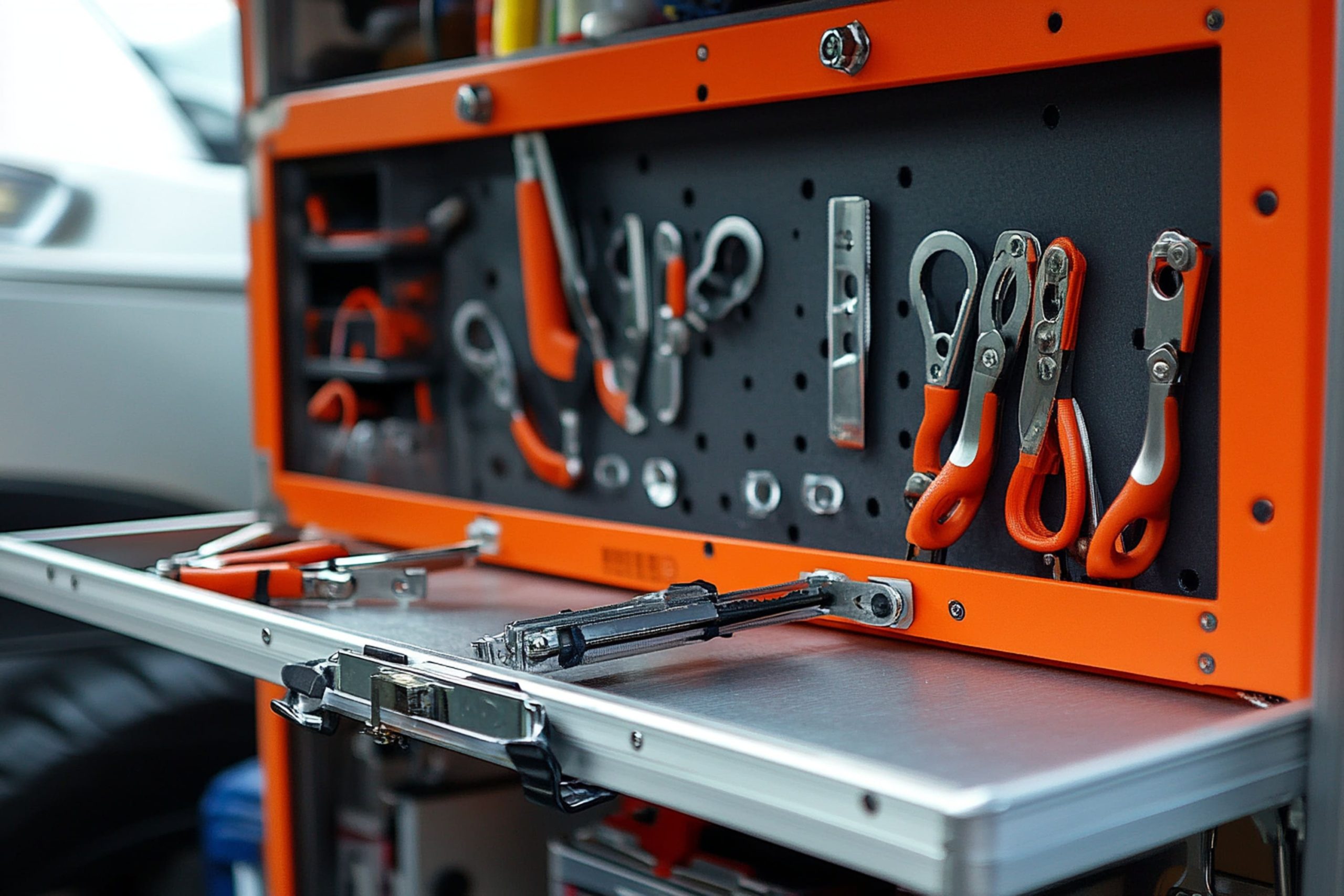
The Philippines automotive power tools market is moving into a more interesting phase than it did a few years ago. On paper, this is still a fairly practical, workshop-led category – impact wrenches, grinders, drills, ratchets, polishers, and torque tools used every day in repair bays and service garages. But in reality, demand is becoming more layered. It is no longer just about replacing broken tools. More workshops are now buying for speed, technician efficiency, battery convenience, and even customer turnaround time. That shift matters because the country’s vehicle base keeps expanding, especially in commercial vehicles, motorcycles, and light utility fleets. More vehicles on the road means more brake jobs, more tire work, more suspension repairs, and more bodyshop activity. In practice, that translates directly into tool demand. As service networks become busier and labor costs rise, Philippine workshops are starting to view professional-grade power tools less as a one-time purchase and more as a productivity asset.
What’s Driving the Automotive Power Tools Market in the Philippines?
Expansion of Vehicle Ownership and Repair Activity
One of the clearest demand triggers is the growing number of vehicles that need regular servicing. Passenger cars matter, but the stronger pull often comes from vans, pickup trucks, delivery fleets, ride-hailing vehicles, and motorcycles that accumulate wear much faster in urban traffic. In cities such as Metro Manila, Cebu, and Davao, service workshops deal with high-throughput repair cycles where speed can decide whether a bay remains profitable. That is exactly where automotive power tools earn their value. A technician handling wheel removal, brake servicing, or underbody work with manual tools simply cannot match the output of a well-equipped bay using impact wrenches and battery ratchets. For independent garages, that difference often shows up in daily job volume rather than in flashy technology claims.
Shift Toward Cordless and Technician-Friendly Tools
Cordless tools are gradually changing workshop habits across the Philippines. Not everywhere, and not all at once, but the direction is clear. Traditional pneumatic setups still dominate in many tire shops and larger service centers, especially where compressed air infrastructure is already in place. Yet many mechanics increasingly prefer cordless tools for mobility, especially in cramped bays or roadside servicing environments. There is also a practical reason behind this preference. Cordless tools reduce cable and hose clutter, save setup time, and make it easier to move between jobs. For smaller workshops with limited floor space, that matters more than marketing brochures suggest. The trade-off, of course, is cost. Battery platforms are expensive upfront, and replacement batteries are not cheap. Still, for busy garages, the time savings often justify the spend.
Industrial and Automotive Component Activity
Another demand layer comes from light manufacturing and automotive parts-related work. The Philippines is not a major automotive production hub in Southeast Asia, but it does have a meaningful industrial base linked to wiring, electronics, metalworking, and precision assembly. Those operations use many of the same fastening, drilling, and torque-controlled tools found in professional vehicle workshops. This overlap is easy to overlook, but it is commercially important. A distributor selling industrial-grade fastening tools may also be serving parts assemblers, fabrication shops, and dealer service networks. That broadens the customer base beyond the traditional garage segment and gives higher-end tool brands more room to grow.
Government-Led Initiatives
Government policy is not directly buying power tools, but it does shape the conditions around the market. Support for industrial zones, manufacturing investment, and electric vehicle adoption has a downstream effect on demand for workshop equipment and assembly tools. The Electric Vehicle Industry Development Act is one example. As EVs and hybrids become more visible in the Philippines, service requirements will gradually change too. That does not mean every workshop will suddenly need advanced insulated tools tomorrow. On the ground, adoption will be uneven. But over time, service centers that handle newer vehicle platforms will need a different mix of tools, especially for battery-related diagnostics and electronics-safe repair work.
Market Competition
The market remains fairly fragmented. International brands compete with low-cost imports, and both have a place. Premium tools are typically preferred by dealerships, fleet workshops, and industrial users who care about durability and torque accuracy. Smaller garages, meanwhile, often buy based on affordability first and brand loyalty second. E-commerce has also made the market noisier. It has improved access, yes, but it has also made product quality less consistent. For buyers, that creates a common challenge: low upfront pricing can look attractive until downtime, battery failure, or poor after-sales support starts eating into workshop margins.
High Import Dependency
A major challenge in the Philippines automotive power tools market is import dependence. Most branded tools, battery systems, accessories, and replacement parts come from overseas. That leaves distributors and end users exposed to exchange rate pressure, freight costs, and supply delays. For smaller workshops, this is more than a pricing issue. It affects maintenance cycles and replacement planning. If a charger fails or a battery pack is unavailable, a tool can sit idle for weeks. In a busy repair environment, that is a genuine operational problem, not just an inconvenience.
Future Outlook
By 2030, the Philippines automotive power tools market will likely look more professional, more battery-led, and more segmented by end user need. Authorized service centers and fleet operators will lean further into durable cordless systems and calibrated torque tools, while independent garages will continue balancing cost with reliability. The real opportunity lies in tools that help workshops do more with the same labor base. That is where demand will likely stay strongest.
Consultants at Nexdigm, in their latest publication “Philippines Automotive Power Tools Market Outlook to 2030”, analyze the market by Tool Type (Impact Wrenches, Drills, Grinders, Sanders, Polishers, Ratchets, Torque Tools), By Power Source (Corded, Cordless, Pneumatic), By End User (Authorized Service Centers, Independent Workshops, Fleet Operators, Automotive Component Manufacturers), and By Distribution Channel (Industrial Distributors, Retail Hardware Chains, Online Platforms, Direct Sales). Nexdigm believes companies should focus on cordless durability, battery platform reliability, and strong distributor-led service support to capture long-term value in this market.
To take the next step, simply visit our Request a Consultation page and share your requirements with us.
Harsh Mittal
+91-8422857704