
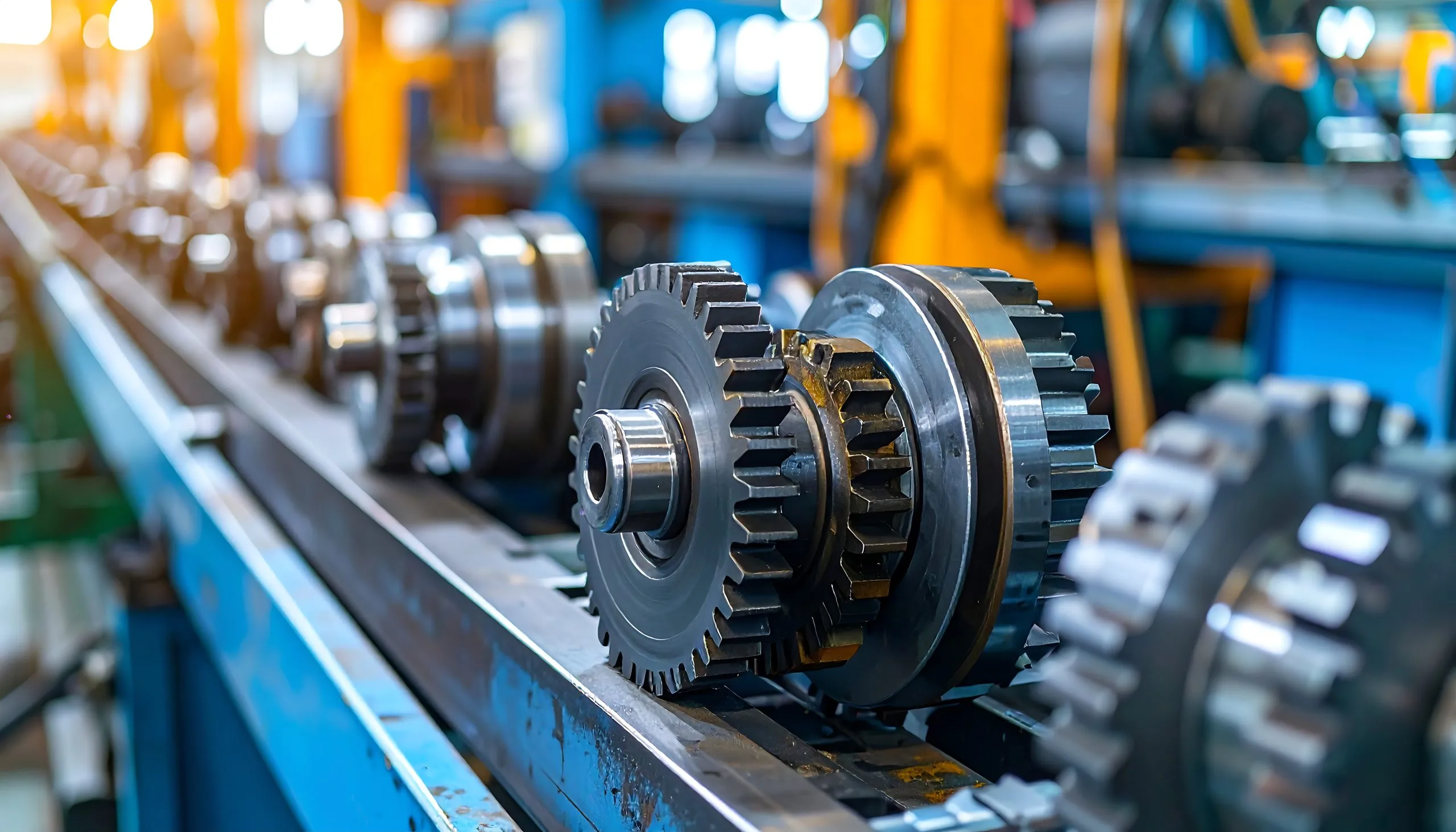
The axles market in the Philippines is a critical component of the country’s growing automotive and transport sector. With rising vehicle sales, expanding commercial fleets, and increasing infrastructure projects, demand for reliable axles is steadily growing. Both passenger and commercial vehicles rely on advanced drivetrain systems, making axle technology essential for performance and safety. The market is also beginning to feel the impact of electric vehicle adoption, which introduces specialized axle requirements. By 2035, these factors are expected to shape a dynamic and evolving market landscape.
Factors Driving Axle Demand in the Philippines
Growth in Automotive Sales
Vehicle ownership and commercial fleet expansion are major contributors to axle demand in the Philippines. Passenger cars, trucks, and light commercial vehicles all require durable axle systems. Infrastructure improvements, urbanization, and the rise of logistics and delivery services are further driving demand. Even modest annual vehicle sales growth can translate into significant demand for replacement and new axles.
Technological Advancements & EV Adoption
The shift toward electric and hybrid vehicles is beginning to influence the axle market. E-axles, which integrate electric motors with traditional axle systems, require new designs and materials. Manufacturers investing in this technology are likely to capture emerging opportunities in the EV segment, which is expected to grow steadily in urban areas.
Commercial Transport Expansion
The logistics sector, construction industry, and e-commerce delivery networks are expanding rapidly. These sectors rely heavily on trucks and heavy-duty vehicles, which increases the need for robust axles capable of handling higher loads and more demanding road conditions.
Government Policies and Incentives Boosting the Axle Market
The Philippine government is actively supporting the automotive sector through programs like the Comprehensive Automotive Resurgence Strategy (CARS). Policies promoting local vehicle assembly, component manufacturing, and safety standards indirectly benefit axle suppliers. Regulations on axle load and vehicle safety ensure that components meet quality standards, supporting both domestic production and imports while maintaining infrastructure longevity and road safety.
Major Players and Market Competition
The market is dominated by imported axles from countries like Japan, South Korea, and Thailand. Local manufacturing is limited, so many suppliers focus on partnerships with global OEMs or distribution networks for aftermarket parts. Leading international players maintain a strong presence, but opportunities exist for local companies that can offer competitive pricing, quality, and technical expertise, especially in niche segments such as e-axles and heavy-duty commercial vehicles.
Key Obstacles Facing the Philippine Axles Market
Supply Chain and Cost Pressures
High dependency on imported components makes the market sensitive to price fluctuations and supply chain disruptions.
Technological Transition
The emergence of electric vehicles requires new axle designs and manufacturing processes, which can be challenging for traditional manufacturers to adopt without significant investment. These factors create uncertainty and require adaptation to maintain competitiveness.
Future Outlook
By 2035, the Philippines axles market is expected to grow steadily, fueled by increasing vehicle production, infrastructure development, and expanding logistics and commercial transport. Electric vehicle adoption will gradually introduce demand for specialized e-axles, offering opportunities for innovative manufacturers. Companies that invest in technology, enhance local assembly capabilities, and strengthen supply chains are likely to succeed. The market will continue evolving as mobility solutions advance, and government policies support sustainable automotive growth, creating a balanced environment for both conventional and next-generation axle products.
Consultants at Nexdigm, in their latest publication “Philippines Axles Market Outlook 2035,” analyze the sector by System Type (Drive Axles, Dead Axles, Lift Axles, Steer Axles), By Platform Type (Passenger Vehicles, Light Commercial Vehicles, Heavy Commercial Vehicles), and By Fitment Type (OEM Fitment, Aftermarket Replacement, Retrofit Installations). Nexdigm suggests that businesses should prioritize strengthening local supply chains, adopting advanced manufacturing technologies for both conventional and electric axles, and closely aligning their product offerings with evolving regulatory standards and infrastructure requirements. Additionally, companies should focus on building partnerships with OEMs, expanding aftermarket services, and anticipating shifts in commercial transport and logistics demand to remain competitive and capitalize on the Philippines axles market growth through 2035.
To take the next step, simply visit our Request a Consultation page and share your requirements with us.
Harsh Mittal
+91-8422857704