
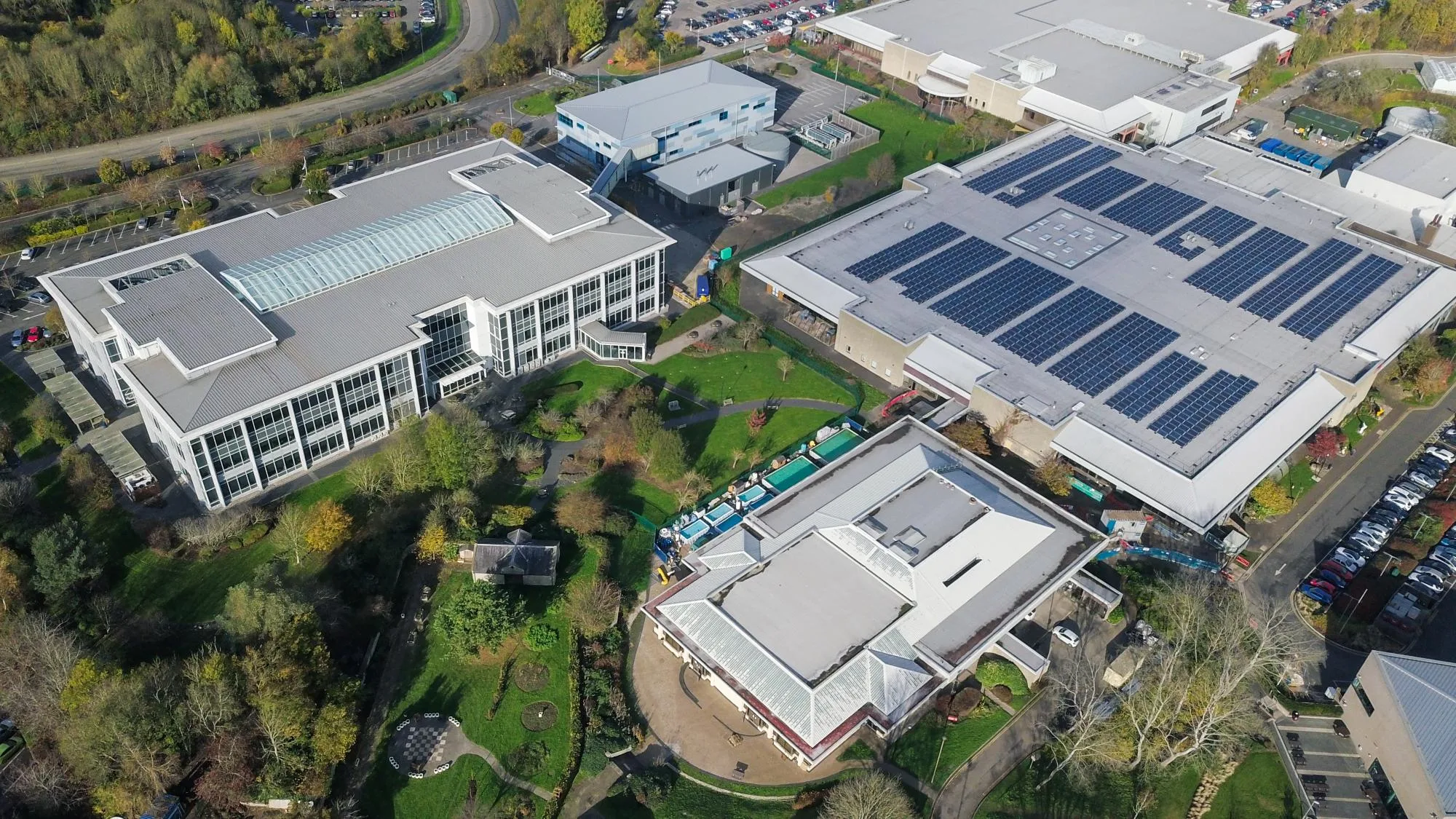
The Philippines battery energy storage system (BESS) market is moving from early deployment to grid-scale adoption. As the country adds more solar and wind capacity, storage is becoming essential for managing intermittency, improving grid reliability, and reducing dependence on fossil fuels. BESS projects are also gaining relevance in island grids, commercial facilities, and utility-scale renewable projects. The market is supported by high electricity costs, renewable energy targets, and growing investor interest. The Philippines aims to raise renewable energy’s share to 35% by 2030 and 50% by 2040, creating a strong long-term case for storage.
Major Factors Driving Growth in the Philippines Battery Energy Storage System Market
Rapid Renewable Energy Integration
The biggest driver for BESS in the Philippines is the expansion of renewable energy. Solar and wind output varies by time of day and weather conditions, creating the need for batteries that can store excess electricity and discharge it when supply falls. This is especially important for a country with an archipelagic grid structure and growing power demand. Large integrated projects are already shaping the market: the Terra Solar project is planned with 3,500 MW of solar PV and 4,500 MWh of battery storage, making it one of the world’s largest renewable-plus-storage projects.
Grid Reliability and Ancillary Services
BESS can respond within milliseconds, making it valuable for frequency regulation, voltage support, reserve power, and grid stabilization. San Miguel Global Power reports commercial operations of about 1,000 MW of BESS facilities across 32 locations in the Philippines, designed to improve grid reliability and support renewable integration. These systems are particularly useful in areas with transmission constraints, island grids, and regions vulnerable to supply-demand imbalances.
High Power Prices and Demand for Cost Optimization
Electricity affordability is another market driver. Reuters reported that increased renewable energy adoption could lower average annual spot power prices by as much as 24% by 2029, while spot prices fell to PHP 4.14/kWh in H1 2025 from PHP 5.58/kWh in 2024. Batteries can strengthen this trend by shifting low-cost renewable power into peak-demand hours, reducing reliance on expensive peaking generation, and helping commercial and industrial users manage demand charges.
Policy Support Driving Battery Energy Storage Growth in the Philippines
Government policy is increasingly favorable for energy storage. The Department of Energy has backed up renewable energy expansion, allowed full foreign ownership in the renewable energy sector, and promoted green energy auctions. In 2026, the DOE updated storage rules requiring intermittent renewable projects of 10 MW or larger to include energy storage equivalent to at least 20% of generating capacity, while encouraging grid-supporting capabilities such as grid-forming inverters.
Major Companies Shaping the Philippines Battery Energy Storage Market
The market includes utilities, independent power producers, renewable developers, and international investors. San Miguel Global Power is a leading BESS operator, with large-scale installations across Luzon, Visayas, and Mindanao. Meralco-linked Terra Solar is another major development, supported by Actis’ $600 million investment in a solar subsidiary to expand the storage project. International players are also entering through renewable-plus-storage partnerships, including Masdar’s $15 billion agreement covering solar, wind, and BESS.
Key Challenges Limiting Battery Energy Storage System Growth in the Philippines
High Capital Cost and Financing Risk
Battery systems require significant upfront investment, including cells, inverters, cooling systems, software, grid connection, and safety infrastructure. Although battery prices have generally declined globally, project economics in the Philippines still depend on revenue certainty from ancillary services, power contracts, and tariff structures.
Grid Integration and Regulatory Complexity
Storage projects must align with transmission planning, interconnection rules, dispatch protocols, and market participation frameworks. Delays in grid upgrades, permitting, or revenue-model clarity can slow down deployment. Technical standards for safety, fire protection, and grid-forming performance will also become more important as BESS capacity scales.
Future Outlook
The Philippines BESS market is positioned for strong growth over the next decade. Utility-scale storage will remain in the main segment, driven by renewable integration, grid reliability needs, and policy mandates. Hybrid solar-plus-storage projects are likely to become more common, while commercial and industrial users may adopt batteries for backup power and peak shaving. The combination of renewable energy targets, foreign investment, high electricity costs, and large flagship projects suggests that BESS will become a core part of the Philippine power system rather than a niche technology.
Consultants at Nexdigm, in their latest publication “Philippines Battery Energy Storage System,” analyze the sector by System Type (Utility-Scale Storage Systems, Commercial & Industrial Storage Systems, Residential Storage Systems, Hybrid Storage Systems), By Platform Type (Grid-Connected Platforms, Off-Grid Platforms, Microgrid Platforms), and By Fitment Type (On-premise Solutions, Cloud-based Solutions, Hybrid Solutions). Nexdigm suggests that businesses should evaluate BESS opportunities in the Philippines by aligning investments with renewable energy expansion, grid reliability needs, and evolving government storage regulations. Companies should also assess project economics carefully, including battery costs, ancillary service revenue, interconnection timelines, and long-term power offtake agreements, to build commercially viable and scalable energy storage strategies.
To take the next step, simply visit our Request a Consultation page and share your requirements with us.
Harsh Mittal
+91-8422857704