
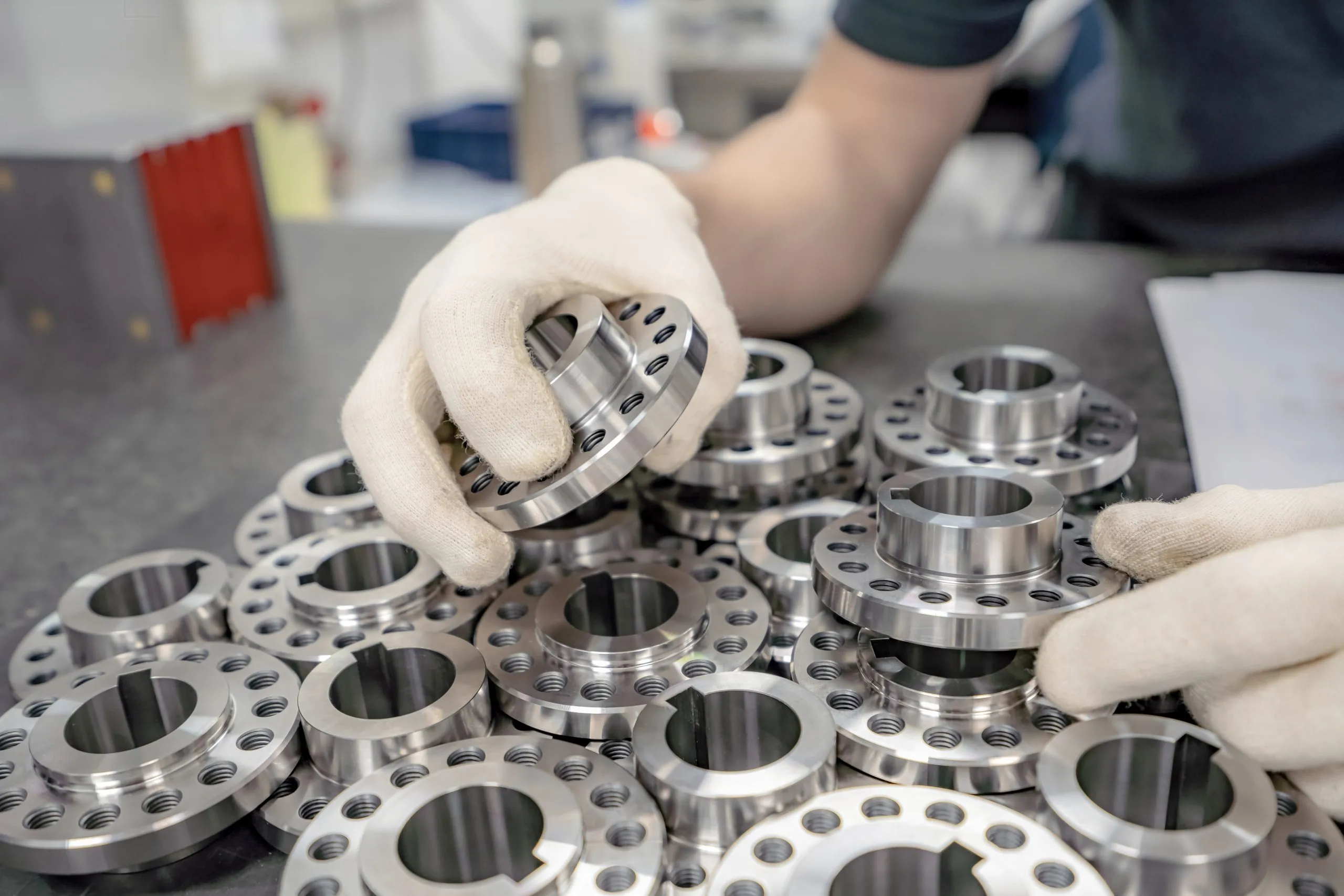
The clutches market in the Philippines is gaining attention as the automotive sector grows and diversifies. Clutches are vital components that help engage and disengage power from engines to wheels, ensuring smooth vehicle operation. Globally, the market is expected to reach USD 20 billion, growing at a CAGR of 2.7–6.3% in the upcoming years. In the Philippines, rising vehicle ownership and an active aftermarket are driving consistent demand. Both OEM and replacement parts markets are expanding, reflecting increased consumer interest in vehicle performance and longevity. As transmission technologies evolve, the clutch market will continue to play a critical role in the country’s automotive ecosystem.
Key Growth Drivers contributing to Philippines Clutches Market
Rising Vehicle Production and Ownership
More Filipinos are purchasing passenger cars, SUVs, and commercial vehicles thanks to improved financing options and higher disposable incomes. This growth directly increases the demand for clutches in both new vehicles and replacement parts. The Asia-Pacific region continues to dominate global automotive clutch consumption, with the Philippines contributing through both local assembly and imports. Rising urban mobility and a growing logistics sector are also pushing OEMs to ensure reliable drivetrain components for their fleets.
Aftermarket Replacement and Upgrades
With an aging vehicle population, replacement of clutch components such as friction plates, pressure plates, and clutch discs is becoming more frequent. The aftermarket provides cost-effective solutions and helps stabilize demand for suppliers. Consumer awareness of quality and performance parts encourages adoption of upgraded clutches. This segment is expected to remain a steady revenue source, even when new vehicle sales fluctuate.
Technological Advancements in Transmission Systems
Modern transmissions like automated manual (AMT) and dual-clutch systems rely on more advanced clutch designs. These innovations improve fuel efficiency, reduce wear, and enhance driver experience. OEMs and aftermarket suppliers investing in lightweight, electronically controlled clutches gain a competitive edge. The focus on advanced materials and smoother operation is reshaping both manufacturing and consumer expectations.
Government Support Boosting the Automotive Sector of Philippines
Government initiatives indirectly support clutch demand by encouraging local vehicle production and infrastructure development. Policies such as tax incentives, investment programs, and building infrastructure projects strengthen automotive supply chains. Reducing import dependencies promotes local parts of manufacturing, which benefits both OEM and aftermarket players. Increased infrastructure projects also drive commercial vehicle use, further supporting demand for clutches and other drivetrain components. Additionally, initiatives aimed at modernizing public transportation and expanding logistics networks to increase fleet turnover, creating more opportunities for clutch replacement and aftermarket services. Collaboration between government and industry associations also fosters technology adoption and workforce development, enhancing overall market efficiency and competitiveness.
Competitive Landscape of the Philippines Clutches Market
The Philippines clutches market is a mix of global and local suppliers serving OEMs and aftermarket channels. International brands rely on distributors and service networks to ensure reliability, while regional players compete on cost, speed, and localized support. Product quality, alignment with transmission technologies, and supply consistency are key differentiators. Partnerships with vehicle assemblers and fleet operators help companies maintain market presence. Companies that innovate and offer superior technical support are gaining traction.
Market Challenges faced in the Philippines Clutches Industry
Supply Chain and Raw Material Fluctuations
Volatile steel prices, shipping delays, and import dependencies can raise production costs and affect delivery schedules. Geopolitical tensions and port congestion can exacerbate supply issues, requiring manufacturers to diversify suppliers and maintain buffer inventories. Strategic procurement and inventory management are crucial to maintaining competitiveness.
Adapting to Electrification
Hybrid and electric vehicles require fewer or differently designed clutches, posing a challenge for traditional suppliers. Manufacturers must invest in R&D to create solutions compatible with EV powertrains. Workforce upskilling, new production processes, and compliance with evolving safety and emissions regulations are also essential. Early adopters of EV-compatible clutches are likely to gain first-mover advantages.
Future Outlook
The Philippines clutches market is expected to maintain steady growth in the upcoming years, driven by rising vehicle ownership, expanding commercial fleets, and aftermarket demand. Technological advancements, such as AMTs and dual-clutch systems, present opportunities for innovative suppliers. While electrification introduces long-term shifts, manual and automated clutches will remain important for light and commercial vehicles. Companies that invest in R&D, adopt advanced materials, and align with evolving safety and emission standards are positioned for success. Sustained infrastructure development and consumer preference for reliable, high-performance vehicles will continue to underpin market growth.
Consultants at Nexdigm, in their latest publication Philippines Clutches Market Outlook to 2035, analyze the sector by System Type (Manual Clutches, Automatic Clutches, Semi-automatic Clutches, Pneumatic Clutches), by Fitment Type (OEM System, Aftermarket Systems, Refurbished and Heavy-Duty Systems).
Nexdigm suggests that businesses in the Philippines should strengthen R&D efforts to enhance performance, durability, and system integration, while also adopting digital engineering and advanced manufacturing practices. Equally important is building resilient supply chains, diversifying product offerings, and upskilling the workforce. These steps will help businesses manage increasing technological complexity and remain competitive in a rapidly evolving automotive landscape.
To take the next step, simply visit our Request a Consultation page and share your requirements with us.
Harsh Mittal
+91-8422857704