
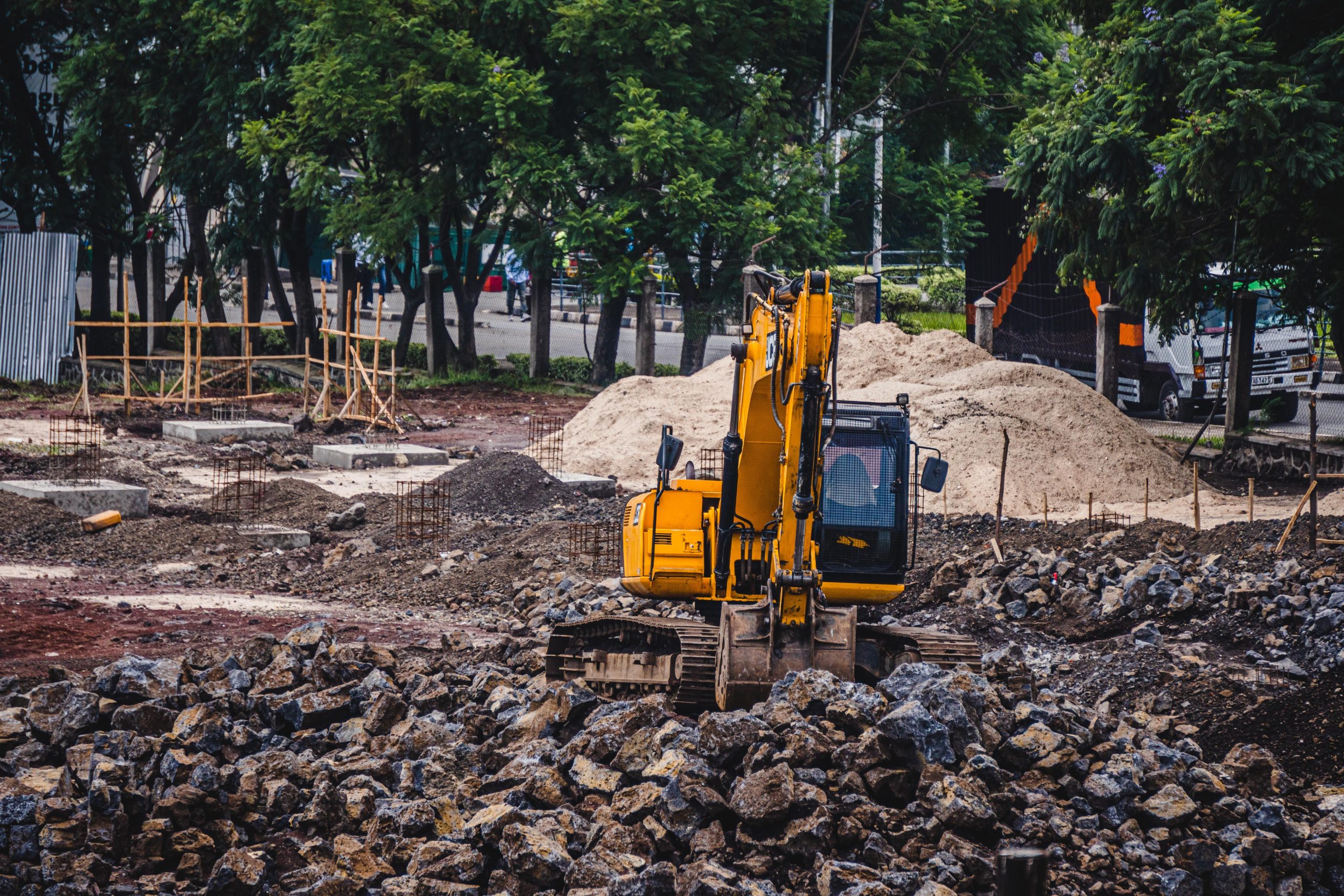
The Philippines construction equipment industry is experiencing significant growth, supported by expanding infrastructure investments, urban development projects, and increasing demand for modern construction machinery. Valued at approximately USD 2.45 billion, the industry is expected to expand at a 6.8% CAGR, driven by large-scale transportation projects, smart-city developments, and commercial construction activities. Rising adoption of advanced excavators, cranes, loaders, and road-building equipment helps contractors improve efficiency and productivity. As public and private investments continue to strengthen the construction ecosystem, equipment demand is expected to remain robust across the country.
Market Drivers Advancing the Philippines Construction Equipment Growth
Expanding Infrastructure Development Projects
Infrastructure expansion remains the strongest catalyst for industry growth. Major investments in rail transit systems, roads, bridges, airports, and smart-city developments such as New Clark City are increasing demand for heavy construction machinery. Large-scale projects require high-capacity hydraulic excavators, cranes, and earthmoving equipment capable of handling complex construction activities. As construction spending continues to rise, contractors are expanding and upgrading equipment fleets to meet project timelines efficiently.
Rapid Urbanization and Commercial Construction Growth
Growing urban populations across Metro Manila and regional cities are fueling demand for residential towers, office buildings, retail centers, and mixed-use developments. This urban expansion has increased the need for construction equipment that supports faster project execution while maintaining quality standards. The growth of industrial parks and logistics facilities is further stimulating equipment utilization across the sector.
Rising Adoption of Advanced and Sustainable Machinery
Contractors are increasingly investing in fuel-efficient and technologically advanced equipment to enhance productivity and reduce operating costs. Fleet modernization efforts are being accelerated by stricter emissions regulations promoting Stage IV and Stage V compliant machinery. Technologies such as telematics, predictive maintenance, and automated controls are also improving equipment performance while minimizing downtime, creating long-term opportunities for equipment suppliers.
Government Initiatives Supporting the Philippines Construction Equipment Industry
Government infrastructure programs continue to support the growth of the construction equipment industry through sustained public investment in transportation and urban development projects. Regulatory measures encouraging cleaner emissions and sustainable construction practices are accelerating the adoption of modern machinery. In addition, investments in highways, rail networks, airports, flood-control systems, and economic zones are generating consistent demand for construction equipment across multiple applications.
Competitive Landscape of the Philippines Construction Equipment Industry
The industry features strong competition among global and regional equipment manufacturers. Companies such as Komatsu Philippines, Caterpillar, Hitachi Construction Machinery, Volvo Construction Equipment, SANY Group, and Monark Equipment compete through extensive dealer networks, financing solutions, maintenance services, and aftermarket support. Market participants are increasingly focusing on equipment digitization, localized service capabilities, and customer training programs to strengthen their market position and improve long-term customer retention.
Challenges Impacting the Philippines Construction Equipment Industry
High Capital Investment Requirements
The acquisition of heavy construction machinery requires significant upfront investment, creating financial constraints for small and medium-sized contractors. Equipment of import costs and financing expenses can further impact purchasing decisions.
Shortage of Skilled Equipment Operators
The growing use of advanced machinery requires trained operators and technicians capable of managing sophisticated systems. Limited availability of skilled talent can affect equipment productivity, maintenance efficiency, and overall project execution across the sector.
Future Outlook
The future of the Philippines construction equipment industry is expected to maintain a growth trajectory, supported by continued infrastructure modernization, urban expansion, and industrial development. Increasing adoption of smart construction technologies, digital fleet management solutions, and low-emission machinery will shape future industry dynamics. Ongoing investments in transportation networks, residential projects, and commercial developments are likely to sustain equipment demand. As contractors prioritize efficiency, sustainability, and operational performance, modern construction machinery will play an increasingly important role in supporting the country’s long-term economic and infrastructure ambitions.
Consultants at Nexdigm, in their latest publication “Philippines Construction Equipment Market Outlook to 2035 ,” analyze the sector By (BCA Infrastructure Tender Analysis, Historical Project Data Synthesis, OEM Supply Chain Mapping, Equipment Distributor Site Interviews, Top-down Macro Forecast Modeling).
Nexdigm suggests that businesses in the Philippines Construction Equipment Industry focus on opportunities created by large-scale infrastructure projects, rapid urbanization, and construction modernization. Strengthening equipment availability, embracing cleaner technologies, and enhancing service capabilities can support sustainable growth and long-term industry expansion.
To take the next step, simply visit our Request a Consultation page and share your requirements with us.
Harsh Mittal
+91-8422857704