
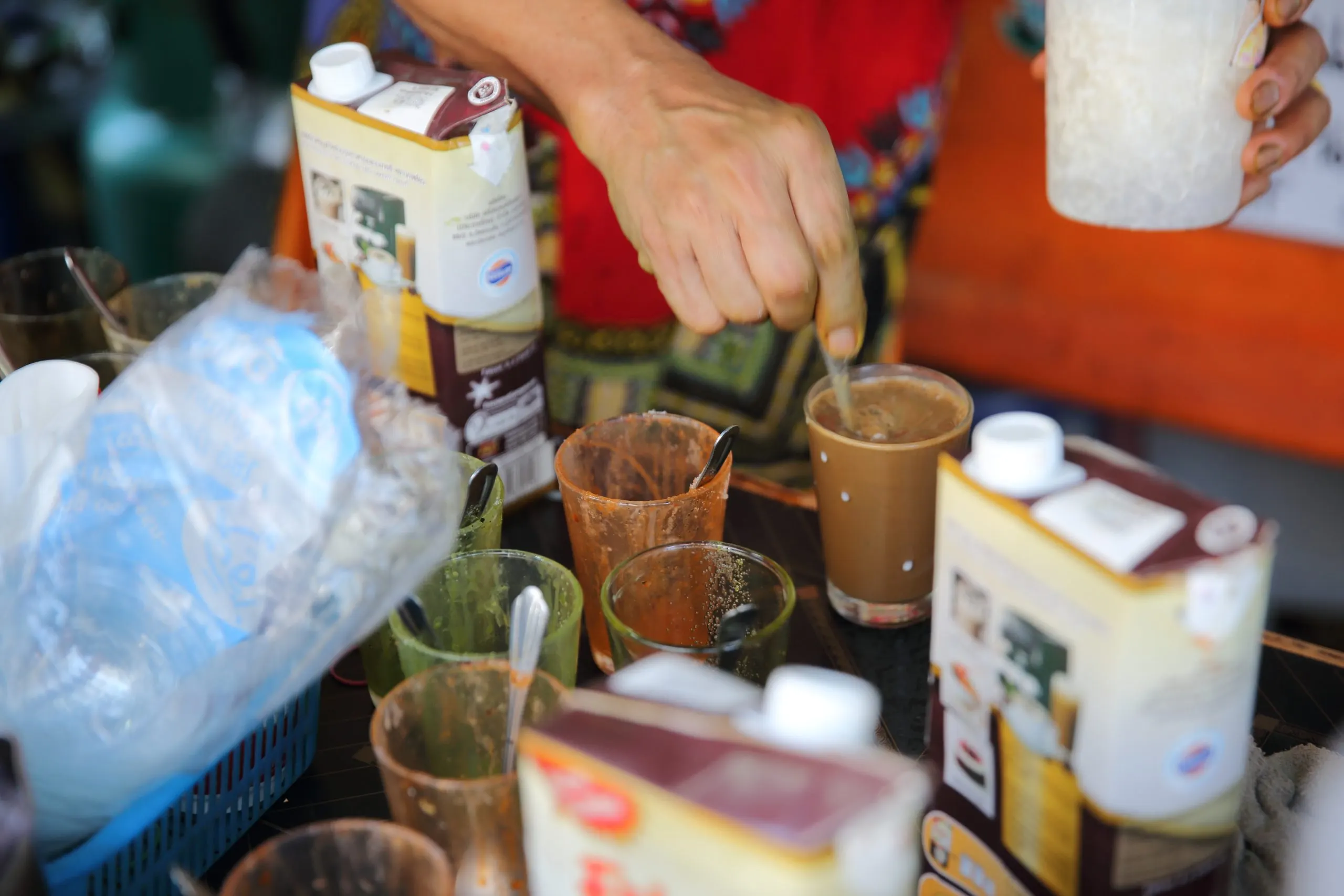
The Philippines dairy alternatives market is steadily gaining traction as consumers increasingly shift toward healthier and more sustainable dietary choices. Plant-based options such as soy, almond, and oat milk are becoming more visible across supermarkets, cafés, and online platforms, particularly in urban regions like Metro Manila and Cebu. Currently valued at around USD 75 million, the market is expanding as awareness of lactose intolerance and plant-based nutrition grows. This shift reflects a broader change in consumer behavior, where convenience, health, and sustainability are shaping everyday purchase decisions. Over time, dairy alternatives are gradually moving from niche products to household staples.
Key Growth Drivers of the Philippines Dairy Alternatives Market
Rising Health Awareness and Lactose Intolerance
One of the primary drivers of the Philippines dairy alternatives market is the increasing awareness of health and nutrition. Consumers are actively seeking products that are easier to digest and offer lower cholesterol content, making plant-based alternatives an attractive option. Growing awareness of lactose intolerance is also influencing purchasing decisions, encouraging consumers to switch to dairy-free products. Fortified plant-based beverages enriched with calcium and vitamins are helping bridge nutritional gaps, making the transition from traditional dairy easier. This trend is particularly strong among urban professionals and health-conscious individuals who prioritize preventive healthcare and functional foods.
Expanding Vegan and Flexitarian Lifestyles
The rise of vegan and flexitarian diets is further accelerating the growth of the Philippines dairy alternatives market. Consumers are becoming increasingly mindful of environmental sustainability, animal welfare, and ethical consumption. This trend is supported by the growing popularity of plant-based food products across the country, as well as strong demand from younger demographics. Social media and global food trends are playing a significant role in influencing dietary habits, encouraging consumers to experiment with dairy alternatives. As a result, plant-based products are no longer considered niche but are entering mainstream consumption patterns.
Strong Retail and E Commerce Expansion
Retail expansion is another critical driver for the Philippines dairy alternatives market. Supermarkets, convenience stores, and e-commerce platforms have significantly improved product availability, making plant-based options more accessible to consumers. Urban centers such as Metro Manila, Cebu, and Davao act as key consumption hubs, supported by high population density and growing disposable incomes. Additionally, soy milk continues to dominate the segment due to its affordability and familiarity among Filipino households, further driving market penetration.
Government Support Strengthening the Philippines Dairy Alternatives Market
Government initiatives aimed at promoting sustainable food consumption and innovation are supporting the growth of the Philippines dairy alternatives market. Policies encouraging plant-based food adoption, including initiatives like the Plant-Based Food Promotion Act, are helping boost awareness and industry development. These efforts also provide incentives for local producers to invest in research and development, improving product quality and availability. While still evolving, such initiatives are creating a favorable environment for long-term growth in the plant-based segment.
Competitive Landscape of the Philippines Dairy Alternatives Market
The Philippines dairy alternatives market is becoming increasingly competitive, with both local and international players expanding their presence. Companies are focusing on product innovation, introducing new flavors, fortified options, and convenient packaging formats to attract consumers. Soy milk remains the dominant category due to its strong consumer familiarity, while almond and oat milk are gaining traction among health-conscious segments. Strategic partnerships with retailers and foodservice outlets are also helping brands enhance visibility and expand their customer base.
Market Challenges in the Philippines Dairy Alternatives Market
Price Sensitivity and Consumer Affordability
Despite increasing demand, pricing remains a key challenge in the Philippines dairy alternatives market. Plant-based products are often priced higher than conventional dairy, making them less accessible to price-sensitive consumers. This limits widespread adoption, particularly in rural and lower-income segments where cost remains a primary purchasing factor.
Limited Awareness in Non Urban Regions
While urban areas are witnessing strong growth, awareness of dairy alternatives is still limited in smaller cities and rural regions. Many consumers are unfamiliar with the benefits of plant-based products, restricting market penetration. Improving consumer education and expanding distribution networks will be essential to unlock growth in these untapped areas.
Future Outlook
The future of the Philippines dairy alternatives market looks promising, with strong growth expected across multiple product categories. The market is projected to grow at over 12% CAGR, driven by rising health awareness, urbanization, and evolving dietary preferences. Innovation in product offerings, including fortified and functional beverages, will continue to attract a broader consumer base. Additionally, expanding retail infrastructure and government support will further enhance accessibility. In the long run, dairy alternatives are expected to become a mainstream part of Filipino diets, supported by a combination of affordability improvements, increased awareness, and changing consumer lifestyles.
Consultants at Nexdigm, in their latest publication “Philippines Dairy Alternatives Market Outlook to 2035,” analyze the sector By Product Type (Soy Milk, Oat Milk, Almond Milk, Coconut Milk Alternatives), By Dairy Alternative Category (Plant-Based Milk, Plant-Based Yogurt, Plant-Based Cheese, Plant-Based Ice Cream).
Nexdigm suggests that businesses should focus on pricing strategies and localized product development to improve affordability, while leveraging strong retail and e-commerce growth in urban centers to expand reach and align offerings with rising health awareness and demand for lactose-free, plant-based nutrition in the Philippines dairy alternatives market.
To take the next step, simply visit our Request a Consultation page and share your requirements with us.
Harsh Mittal
+91-8422857704