
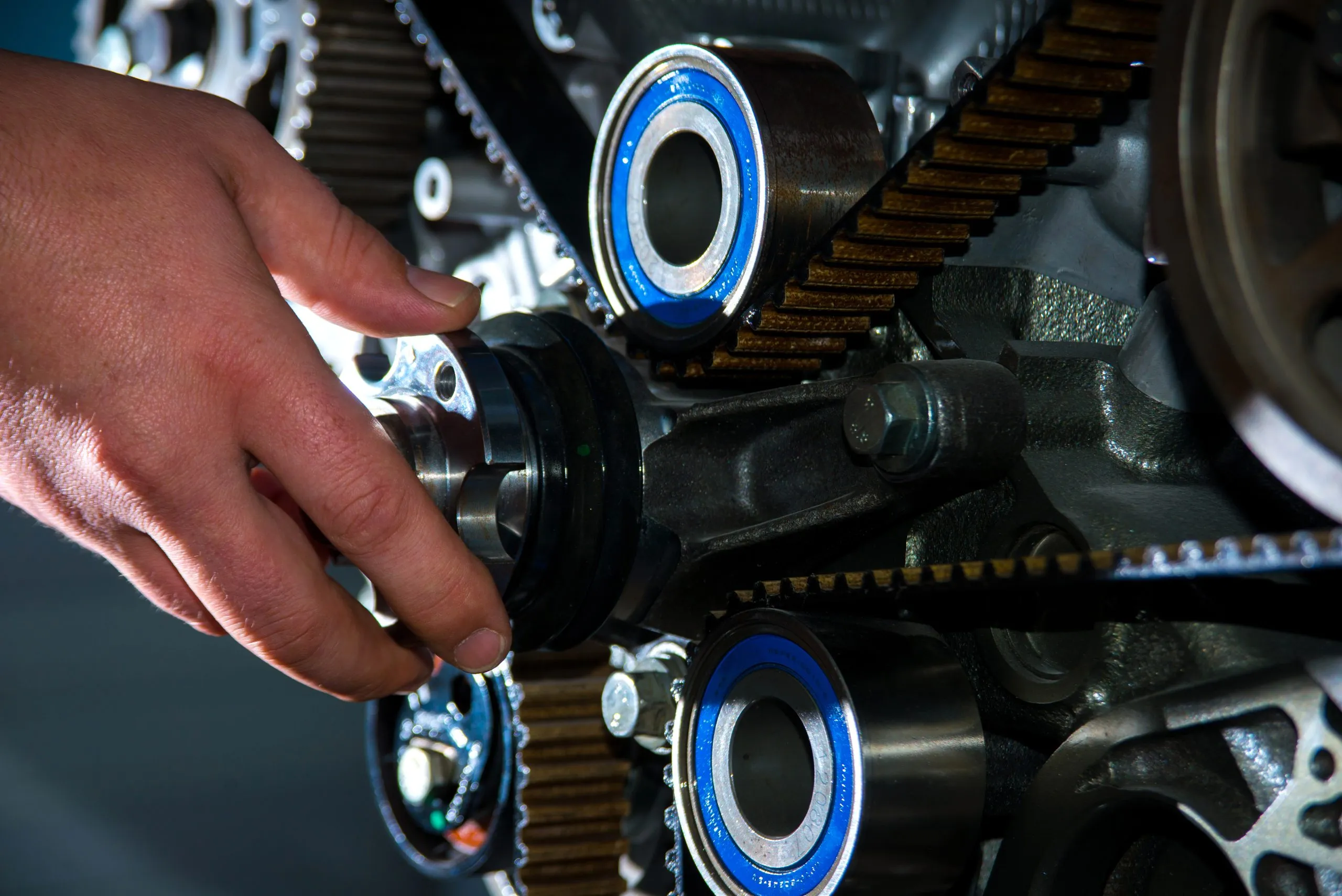
The Philippines dual‑clutch transmission (DCT) market is positioned for measurable expansion over the next decade and beyond, driven by evolving consumer preferences, the need for enhanced fuel efficiency, and broader adoption of advanced automotive technologies. Dual‑clutch transmissions, which use two clutches to facilitate faster, more efficient gear changes, are increasingly featured in passenger and commercial vehicles due to their superior performance and fuel economy compared with traditional automatic systems. Recent data indicate strong import growth and rising demand for DCT‑equipped models in the Philippine automotive sector, suggesting steady momentum toward 2035.
Primary Factors Fueling Growth in the Philippines DCT Market
Rising Demand for Fuel Efficiency and Performance
Fuel efficiency remains a central priority for Filipino vehicle buyers as fuel costs and environmental awareness increase. DCT systems improve fuel economy by enabling quicker, seamless gear shifts and reduced power loss between gears. Vehicles with dual‑clutch technology can achieve better mileage than traditional torque‑converter automatics, making them appealing in both urban and intercity driving contexts. This efficiency advantage is becoming more valued as consumers seek cost‑effective mobility solutions.
Shift Toward Automatic and Advanced Gear Systems
Automakers globally are equipping more models with automatic and advanced transmissions, including DCTs, to meet consumer demand for convenience and ease of driving. This trend is reflected in the Philippine market as import volumes of DCTs rose sharply in recent years, with reports of significant year‑on‑year growth in shipment volumes. Adoption spans passenger cars and light commercial vehicles, responding to both private buyer preferences and fleet modernization initiatives.
Technological Advancements and Product Diversification
Innovations in clutch materials, electronic control units, and cooling systems have broadened the applicability of DCT technology. Modern variants offer improved reliability, smoother engagement, and compatibility with hybrid powertrains. These advances enhance the value proposition of DCTs, especially in small and mid‑sized vehicles where both performance and economy are important. Continued refinement of dual‑clutch designs is expected to sustain interest from OEMs and end users alike.
Government Policies and Incentives Supporting DCT Adoption
Philippine government automotive policies aim to strengthen domestic manufacturing, support technology adoption, and improve environmental compliance. Under the Comprehensive Automotive Resurgence Strategy (CARS) and related incentives, manufacturers receive fiscal benefits for meeting local content and production targets, indirectly facilitating uptake of advanced transmission systems. These policies encourage foreign and domestic investment in automotive components, including transmission technologies that can improve fuel efficiency and help meet emission standards.
Competitive Dynamics and Key Players in the Philippines DCT Market
The Philippines DCT market includes a range of international suppliers and automotive OEMs that integrate dual‑clutch systems in their vehicles. The import landscape is diversified, with key exporting partners across Japan, China, Thailand, Indonesia, and Malaysia contributing to supply. Market concentration metrics indicate a competitive environment, with a broadening portfolio of DCT products available across vehicle categories. OEM collaborations and aftermarket support networks also play roles in shaping competitive dynamics.
Challenges and Barriers to Growth in the Philippines DCT Market
Cost and Technical Barriers
Despite advantages, DCT systems carry higher upfront costs compared with conventional transmissions, which can deter adoption in price‑sensitive segments. The technical complexity of dual‑clutch systems also necessitates skilled maintenance and service infrastructure, which is limited in some regions. These factors, along with concerns about performance in stop‑and‑go conditions, present challenges for broader market penetration in the Philippines.
Future Outlook
Looking toward 2035, the Philippine dual‑clutch transmission market is expected to grow steadily as automotive manufacturers expand product offerings with more efficient and refined DCT solutions. Broader integration of hybrid powertrains and technology improvements that enhance reliability could further increase adoption rates. Import statistics suggest rising demand, particularly in light‑vehicle segments. Strategic initiatives that support local assembly and component manufacturing, combined with consumer shifts toward advanced transmission technologies, should sustain growth momentum throughout the forecast period.
Consultants at Nexdigm, in their latest publication “Philippines Dual‑Clutch Transmissions Market Outlook 2035,” analyze the sector by System Type (Dry Dual-Clutch Transmission Systems, Wet Dual-Clutch Transmission Systems, Integrated Mechatronic DCT Systems, High Torque Performance DCT Systems), By Platform Type (Passenger Vehicles, Light Commercial Vehicles, Electric Vehicles), and By Fitment Type (OEM Factory Fitments, Aftermarket Replacement Systems, Retrofit Conversion Systems). Nexdigm suggests that businesses should prioritize strategic partnerships with automotive OEMs and component suppliers to enhance technology transfer, invest in local service and training infrastructure to support advanced transmissions, and align product offerings with evolving fuel‑efficiency and emissions standards to capture growing demand for dual‑clutch systems in the Philippines.
To take the next step, simply visit our Request a Consultation page and share your requirements with us.
Harsh Mittal
+91-8422857704