
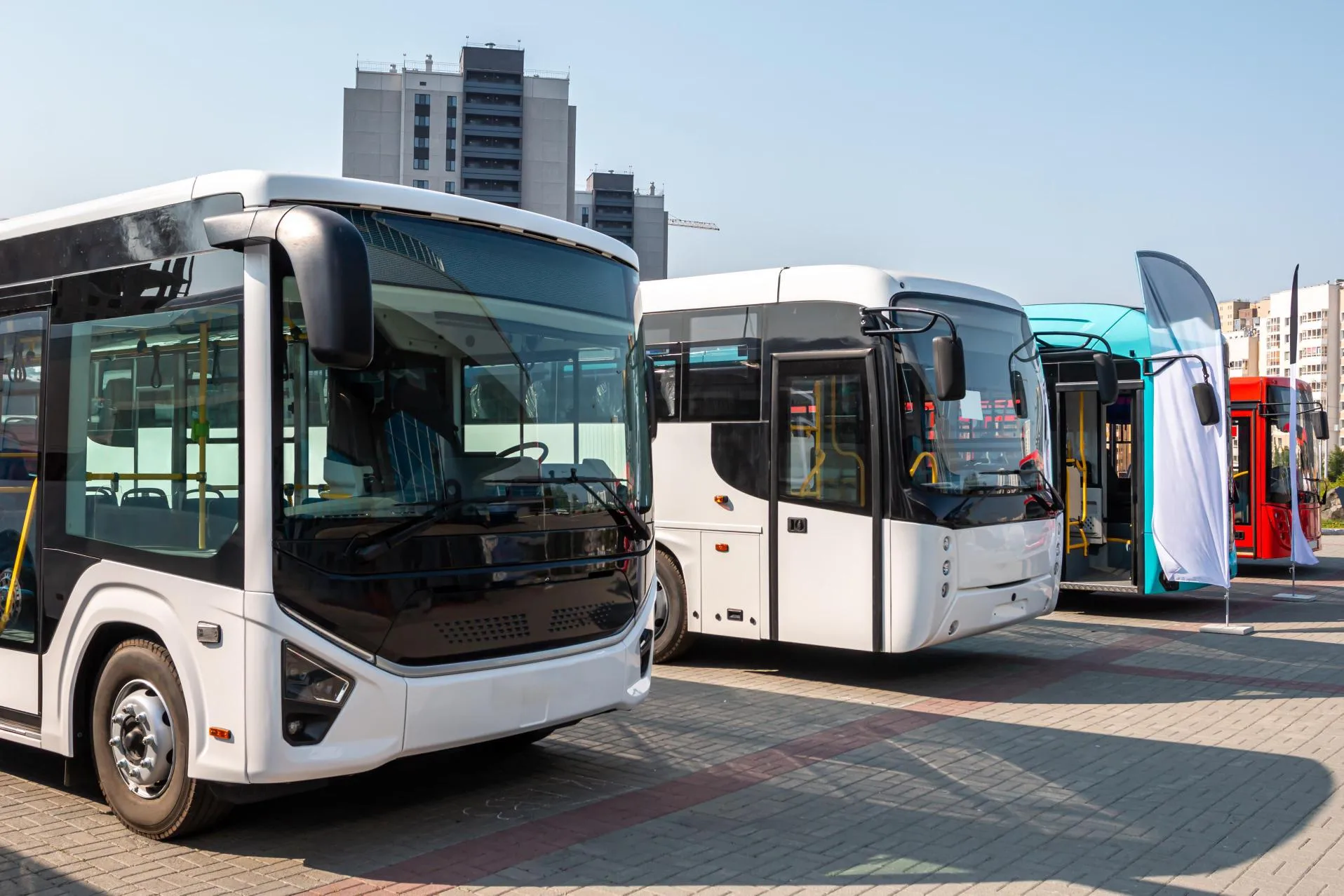
The Philippines electric bus market is entering a formative growth phase as the country modernizes public transport, reduces oil dependence, and expands clean mobility infrastructure. Demand is expected to rise first in Metro Manila, Cebu, Davao, and other dense urban corridors where buses, minibuses, and e-jeepney-style platforms can reduce operating emissions and fuel exposure. Policy momentum is also improving: the country’s EV roadmap targets at least a 50% EV fleet share by 2040 under its Clean Energy Scenario, while zero-tariff support for EVs and parts has been extended until 2028.
Key Market Drivers Accelerating Electric Bus Adoption in the Philippines
Public Transport Modernization
The Public Utility Vehicle Modernization Program is a central demand catalyst. It pushes operators to replace older, higher-emission public utility vehicles with safer and more efficient alternatives, creating a pathway for electric buses and electric minibuses. While the early transition has focused heavily on jeepneys and Class 2/3 PUVs, the same fleet-renewal logic supports electric buses on urban routes, corporate shuttles, airport links, and local government transport services. This is important because the Philippines has a large informal and semi-formal public transport base that will need staged electrification rather than one-time replacement.
Lower Operating Costs and Urban Air Quality
Electric buses can reduce exposure to diesel price volatility and lower routine maintenance needs because battery-electric drivetrains have fewer moving parts than internal combustion engines. For high-utilization fleets, these savings become more visible over the vehicle life cycle. The air-quality case is also strong: buses operate in dense corridors where tailpipe emissions affect commuters, pedestrians, and roadside businesses. As charging access improves, fleet owners are more likely to evaluate total cost of ownership rather than only upfront vehicle cost.
Charging Infrastructure Expansion
Charging availability remains uneven, but the base is expanding. The Philippines had 912 public charging stations as of March 31, 2025, according to reporting based on DOE updates, and DOE later highlighted policies to expand charging and support the national EV roadmap. For bus fleets, depot charging will be more important than scattered public chargers, but broader infrastructure improves confidence among operators, financiers, and local governments.
Government Policies and Initiatives Supporting Electric Bus Adoption
The Electric Vehicle Industry Development Act, or EVIDA, provides the legal foundation for EV adoption, charging station development, and fleet electrification. It is supported by CREVI, the Comprehensive Roadmap for the Electric Vehicle Industry, which focuses on charging stations, research and development, manufacturing, and workforce development. The zero-tariff extension for EVs and components until 2028 further improves import economics for buses, batteries, chargers, and related parts.
Emerging Competition Among Electric Bus OEMs, Importers, and Fleet Operators
The market is still early and fragmented, with participation from local transport technology firms, Chinese OEMs, vehicle importers, charging providers, utilities, and fleet operators. GET Philippines is one visible player through its COMET electric minibus platform and partnerships for urban mobility services. BYD has also been active in the Philippines EV ecosystem, including earlier electric bus and van activity. Over time, competition is likely to shift from vehicle supply alone to bundled models: vehicle leasing, depot charging, fleet software, maintenance, and route operations.
Key Challenges Slowing Electric Bus Adoption in the Philippines
High Upfront Cost and Financing Gaps
Electric buses remain more expensive upfront than diesel alternatives. Small operators and cooperatives often face limited access to affordable credit, making adoption difficult even when lifetime costs are attractive. Battery warranties, residual-value uncertainty, and route profitability concerns can also slow lender confidence.
Grid and Operational Readiness
Fleet electrification requires dependable depot power, charging schedules, trained technicians, and route planning based on battery range. Provincial deployment may lag Metro Manila because grid connections, charger maintenance, and spare-parts availability are less mature outside major urban centers.
Future Outlook
By 2035, the Philippines electric bus market should move from pilot projects and limited deployments toward broader fleet procurement, especially where route density, depot control, and public-sector support align. Growth will likely be strongest in city buses, electric minibuses, government fleets, school and employee shuttles, and tourism routes. The market will not scale evenly; financing, grid upgrades, and operator consolidation will determine adoption speed. Still, with CREVI targeting large-scale EV penetration by 2040 and tariff relief running through 2028, the 2026–2035 period is likely to define the country’s electric bus supply chain, operating models, and charging ecosystem.
Consultants at Nexdigm, in their latest publication “Philippines Electric Bus Market Outlook to 2035,” analyze the sector by System Type (Battery Electric Buses, Plug-in Hybrid Electric Buses, Fuel Cell Electric Buses, Hybrid Electric Buses), By Platform Type (City Transit Buses, Intercity Electric Buses, School Electric Buses), and By Fitment Type (Fully Built Electric Buses, Chassis-based Electric Bus Platforms, Retrofitted Diesel-to-Electric Buses). Nexdigm suggests that businesses should prioritize fleet electrification strategies that align with government policy, route-level economics, and charging infrastructure readiness to capture long-term opportunities in the Philippines electric bus market.
To take the next step, simply visit our Request a Consultation page and share your requirements with us.
Harsh Mittal
+91-8422857704