
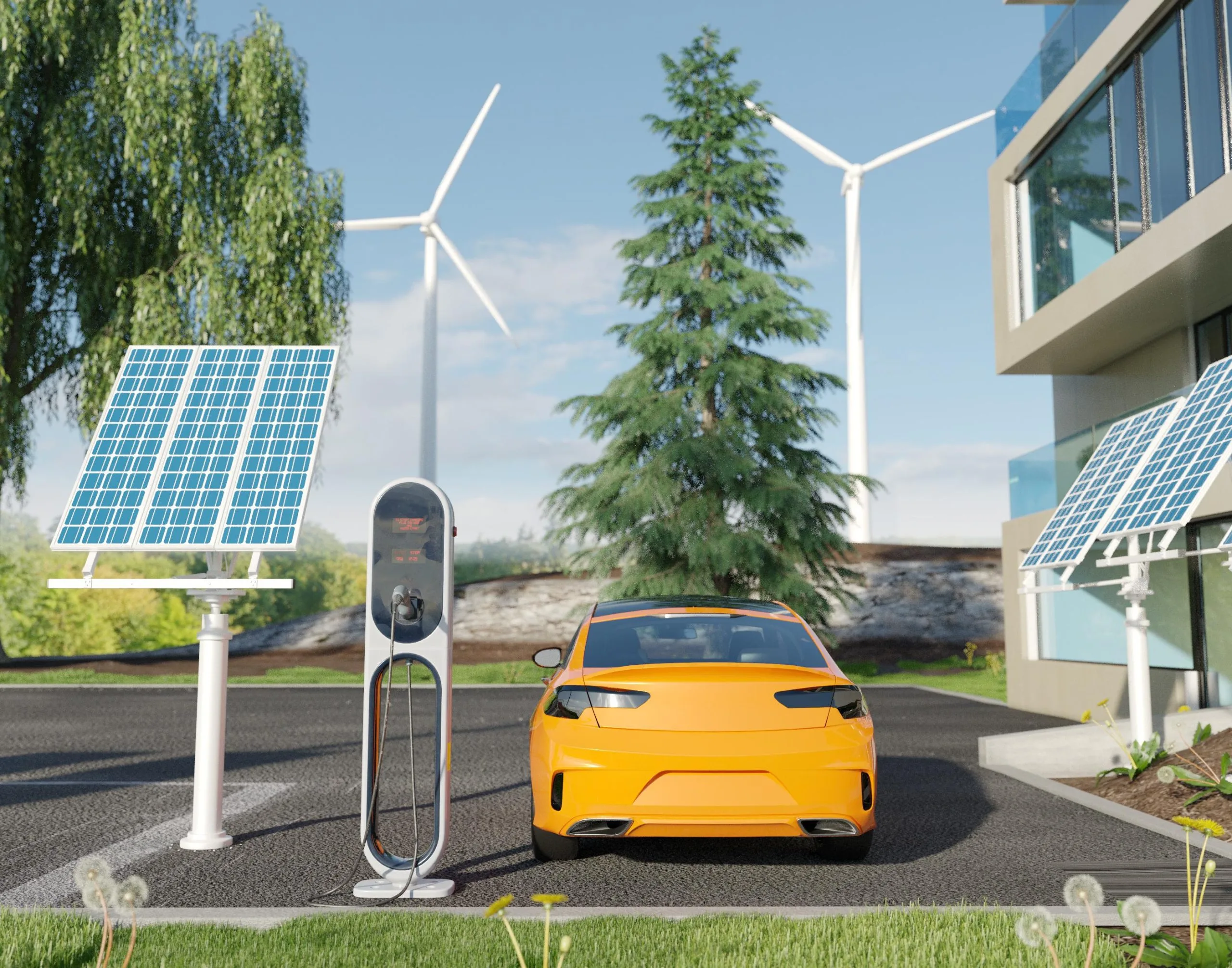
The Philippines electric vehicle (EV) market is in an early but accelerating phase of development, driven by shifts in consumer demand, policy support, and infrastructure expansion. Although EV registrations still represent a small portion of total vehicles, recent growth trends show notable increases in electrified vehicle sales across battery electric vehicles (BEVs), hybrid electric vehicles (HEVs), and plug‑in hybrids (PHEVs). Annual EV sales are rising year‑on‑year, reflecting increasing interest among Filipino drivers seeking lower operating costs and reduced emissions. Market forecasts project significant long‑term growth through 2035 as electrification efforts mature.
Key Factors Driving the Growth of the Philippines Electric Vehicle Market
Rising Consumer Interest
Consumer interest in EVs in the Philippines is expanding as fuel prices remain volatile and operating cost advantages become clearer. Sales data indicate rising volumes across electrified segments, with HEVs currently forming a large share and BEVs gaining traction. For instance, electrified vehicles accounted for over 7 % of total vehicle sales in early 2026, with thousands of units sold across BEV, PHEV, and HEV categories.
Infrastructure Development
Charging infrastructure development is a critical driver supporting EV adoption. While the number of public charging stations remains limited relative to projected needs, investment by both private and public stakeholders is increasing. The market for charging infrastructure itself is forecast to expand significantly, with projections showing high compound annual growth through the next decade as EV deployment scales.
Environmental and Policy Trends
Environmental considerations are encouraging electrification as part of broader climate goals. Local and international stakeholders, including associations and industry bodies, are promoting EV uptake to reduce transport emissions. Commitments to electrify public transport and integrate renewable energy into mobility systems further support market growth potential.
Government Policies and Initiatives Supporting Electric Vehicle Adoption
The Philippine government has introduced supportive measures to catalyze EV adoption, including tax exemptions and incentive programs extending duty‑free treatment for EVs and related components until at least 2028. Legislation such as the Electric Vehicle Industry Development Act (EVIDA) provides a structured framework for industry growth, with accompanying incentives for manufacturers, importers, and consumers designed to reduce barriers to entry and stimulate market expansion.
Overview of Key Players and Competition in the Philippines Electric Vehicle Market
The competitive landscape in the Philippines EV market includes both legacy automakers and emerging EV brands. Chinese manufacturers have made significant inroads, achieving strong sales growth in recent periods. Established global brands are introducing electrified models to capture emerging demand. The mix of HEVs, PHEVs, and BEVs indicates diversified offerings, with some brands focusing on affordability and others on advanced EV technology to appeal to different consumer segments.
Key Challenges Facing the Growth of the Philippines Electric Vehicle Market
Charging Infrastructure Gaps
One of the primary challenges for EV adoption in the Philippines is the limited availability of public charging infrastructure. Current station numbers are insufficient relative to projected demand, creating a barrier for potential EV buyers.
High Initial Costs
Despite incentives, EVs often have higher upfront costs compared with conventional vehicles, which can deter price‑sensitive consumers. Ongoing infrastructure and supply chain limitations also contribute to slower adoption in certain regions.
Future Outlook
Looking toward 2035, the Philippines electric vehicle market is expected to expand markedly as policy frameworks solidify and charging infrastructure scales. Market research indicates substantial growth in overall EV market size and charging network value, with continued increases in electrified vehicle registrations. Regional differences are anticipated, with urban areas leading to initial uptake while provincial growth follows. By 2035, electrification could represent a much larger proportion of new vehicle sales as technological improvements, cost reductions, and government and private investments converge to support broader mobility transitions and environmental policy goals.
Consultants at Nexdigm, in their latest publication “Philippines Electric Vehicle Market Outlook to 2035,” analyze the sector by System Type (Battery Electric Vehicles, Plug-in Hybrid Electric Vehicles, Hybrid Electric Vehicles, Electric Buses), By Platform Type (Passenger Vehicles, Commercial Vehicles, Two-Wheelers), and By Fitment Type (Home Charging Solutions, Public Charging Solutions, Fast Charging Solutions). Nexdigm suggests that businesses should consider local market trends, regulatory frameworks, and infrastructure development when planning for entry or expansion in the electric vehicle sector. Understanding these market-relevant contexts can help businesses make informed decisions, tailor products to local needs, and align with government incentives aimed at accelerating the adoption of electric vehicles.
To take the next step, simply visit our Request a Consultation page and share your requirements with us.
Harsh Mittal
+91-8422857704