
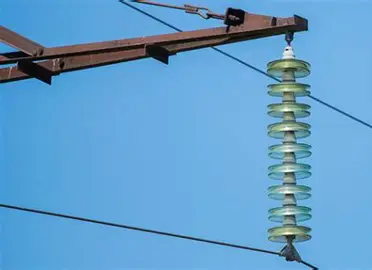
The Philippines Electrical Insulators Market is witnessing strong growth, supported by rising electricity demand, expanding transmission infrastructure, and large-scale renewable energy investments. The country operates more than 30 GW of installed power generation capacity and is investing over USD 35 billion in grid modernization, energy infrastructure, and transmission upgrades. Additionally, with a population exceeding 115 million and electricity consumption continuing to grow across residential, industrial, and commercial sectors, utility operators are increasing investments in substations and transmission networks. The government’s target to achieve 35% renewable energy generation in the power mix is further driving demand for high-performance ceramic, glass, and composite insulators across solar, wind, geothermal, and transmission projects.
Key Market Drivers for the Philippines Electrical Insulators Market
Transmission Grid Expansion and Electrification Programs Accelerate Demand
The Philippines continues to invest heavily in transmission and distribution infrastructure to meet rising electricity demand across its islands. The National Grid Corporation of the Philippines (NGCP) is implementing multiple transmission expansion projects to improve grid reliability and inter-island connectivity. Increasing investments in substations, transmission corridors, and rural electrification are driving demand for high-voltage insulators capable of supporting long-distance power transmission and reducing network losses.
Renewable Energy Growth Creates New Opportunities
The Philippines is actively expanding renewable energy generation under its clean-energy transition strategy. The country has set targets to increase the share of renewable energy to 35% of electricity generation by 2030 and 50% by 2040. Growing investments in solar, wind, hydroelectric, and geothermal projects are creating substantial demand for advanced composite and polymer insulators designed for modern transmission and renewable-energy infrastructure.
Industrialization and Urbanization Strengthen Market Growth
Rapid urban development, industrial expansion, and increasing electricity consumption are strengthening the need for reliable electrical infrastructure. Manufacturing, commercial real estate, data centers, transportation systems, and industrial facilities continue to expand across major regions including Metro Manila, Cebu, and Davao, increasing demand for medium- and high-voltage insulation systems in power-distribution networks.
Government Initiatives Supporting the Philippines Electrical Insulators Market
The Philippine government continues to promote power-sector modernization through the Build Better More infrastructure program and national energy development plans. Investments exceeding USD 35 billion are being directed toward energy infrastructure, grid upgrades, renewable-energy integration, and transmission expansion. Government initiatives aimed at improving grid reliability, increasing electricity access, and supporting renewable-energy deployment are creating favorable conditions for demand across the electrical equipment and insulator value chain.
Competitive Landscape of the Philippines Electrical Insulators Market
The Philippines Electrical Insulators Market is characterized by competition among international electrical equipment manufacturers, utility infrastructure providers, and regional suppliers. Competition is increasingly focused on product durability, contamination resistance, voltage performance, mechanical strength, and lifecycle cost efficiency. Major players including Hitachi Energy, Siemens Energy, ABB, Schneider Electric, General Electric Grid Solutions, and regional power-equipment suppliers are supporting utility modernization and renewable-energy projects. Manufacturers are increasingly promoting advanced composite insulators and smart-grid-compatible insulation technologies to address evolving utility requirements.
Major Challenges Facing the Philippines Electrical Insulators Market
Exposure to Extreme Weather Conditions
The Philippines experiences frequent typhoons, heavy rainfall, coastal salt contamination, and tropical environmental conditions that can affect insulator performance and lifespan. Utilities increasingly require durable, weather-resistant insulation technologies capable of operating under harsh conditions.
Grid Modernization and Investment Requirements
Expanding and upgrading the national grid requires substantial investments in transmission infrastructure, substations, and power-distribution systems. Ensuring cost-effective deployment while maintaining reliability remains a challenge for utilities and infrastructure developers.
Future Outlook
The Philippines Electrical Insulators Market is expected to witness strong growth through 2035, supported by installed power-generation capacity exceeding 30 GW, a population of more than 115 million, and increasing electricity demand driven by urbanization and industrial development. The government’s target to raise renewable energy’s share to 35% of power generation and investments exceeding USD 35 billion in energy and grid infrastructure will continue to accelerate transmission and distribution network expansion. Additionally, ongoing inter-island grid projects, utility modernization programs, and growing solar, wind, hydro, and geothermal capacity additions are expected to strengthen demand for advanced composite and polymer insulators. Rising investments in substations, smart-grid systems, and high-voltage transmission corridors will create significant opportunities for insulation technology providers and electrical infrastructure manufacturers across the country.
Consultants at Nexdigm, in their latest publication “Philippines Electrical Insulators Market Outlook to 2035” analyse the sector By Insulator Material Type (Silicone Rubber Composite, Ethylene Propylene Diene Monomer and Cycloaliphatic Epoxy Resin), By Grid Voltage Level (Distribution Voltages and Sub-Transmission Class) and By Application Sector (Utility-Scale Power Transmission, Industrial Facility Substations and Commercial Grid Integration).
Nexdigm suggests that businesses in the Philippines Electrical Insulators Industry prioritize advanced composite insulators, high-voltage transmission solutions, weather-resistant insulation technologies, and renewable-energy-compatible products to capitalize on the country’s 30 GW+ power capacity, expanding transmission network, renewable-energy targets, and growing demand for reliable electricity infrastructure across utility, industrial, and commercial applications.
To take the next step, simply visit our Request a Consultation page and share your requirements with us.
Harsh Mittal
+91-8422857704