
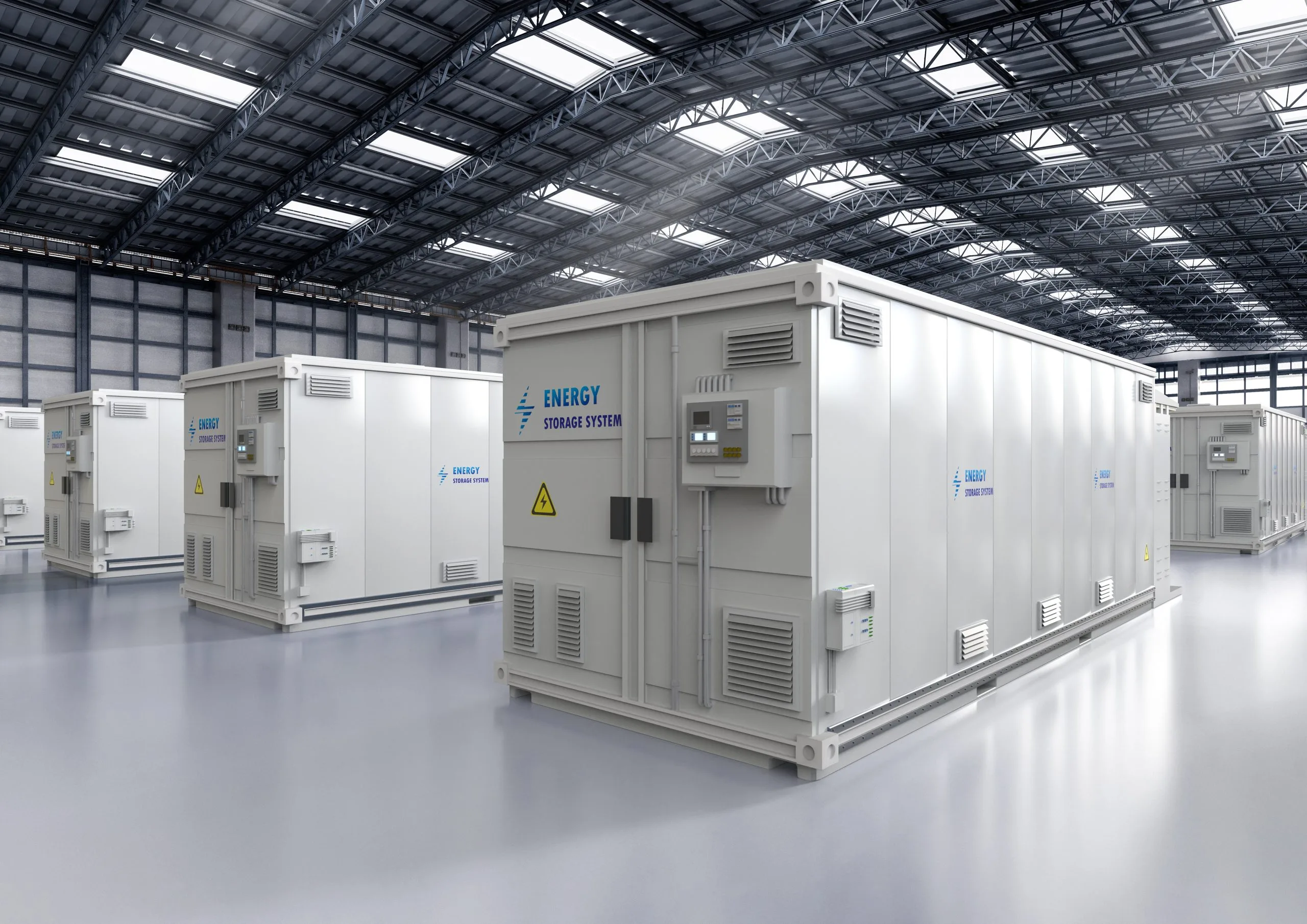
The Philippines energy storage market is entering a phase of accelerated growth as the country expands renewable energy capacity and modernizes its grid. Energy storage systems (ESS) — particularly battery energy storage systems (BESS) — are critical for addressing the intermittency of solar and wind power, enhancing grid reliability, and supporting peak load management. With declining battery costs and rising electricity demand, storage solutions are gaining traction across utility, commercial, and residential segments. Market forecasts indicate significant expansion through the 2030s as policy and investment trends align with broader decarbonization goals.
Key Drivers Fueling Growth in the Philippines Energy Storage Market
Renewable Energy Integration
Rapid growth in solar and wind installations is a primary driver of energy storage demand. The Philippines’ renewable capacity continues to expand, with projections showing large additions of solar and wind power in the mid‑2020s and beyond. This surge necessitates storage to balance supply variability and maintain grid stability.
Grid Modernization and Resilience
Aging grid infrastructure and frequent outages in parts of the archipelago have elevated the importance of reliable storage. Energy storage enhances grid flexibility, supports frequency regulation, and reduces reliance on expensive and polluting diesel generators in remote areas. Utilities and distributed energy resource developers are increasingly incorporating storage into system planning to improve operational resilience.
Cost and Technology Trends
Advances in lithium‑ion and other battery technologies, combined with global cost reductions, are lowering barriers to ESS deployment. As module, inverter, and battery pack costs decline, commercial and residential adopters are finding storage systems more financially viable for energy cost management and backup power.
Government Policies and Initiatives Supporting Energy Storage Development
Regulatory measures are reinforcing storage’s role in the energy mix. The Philippines Department of Energy has issued directives requiring large renewable projects (≥10 MW) to include energy storage integration, strengthening grid reliability as renewable penetration increases. Tax incentives and supportive policies under the Renewable Energy Act also encourage investment in storage technologies, contributing to a more attractive policy framework for developers and investors.
Overview of Key Players and Competition in the Energy Storage Market
The Philippines energy storage market features a mix of local and international participants. Key utility and developer players include major energy firms adopting BESS in grid projects, while global battery manufacturers provide technology and supply chain support. Competitiveness is shaped by partnerships between renewable project developers and storage technology providers to deliver integrated solutions across utility, commercial, and residential segments.
Challenges Hindering the Growth of the Philippines Energy Storage Market
High Initial Costs
Despite falling battery prices, high upfront investment remains a barrier, particularly for smaller projects. Capital costs for utility‑scale and distributed storage systems can deter adoption without financing support or incentive frameworks.
Infrastructure and Regulation
Limited grid infrastructure and evolving regulatory standards for energy storage integration present implementation challenges. Standardization of policies and clearer market signals is needed to reduce uncertainty for investors and streamline deployment.
Future Outlook
Through 2035, the Philippines energy storage market is poised for robust expansion as renewable capacity grows, and storage becomes central to energy system planning. Market projections suggest multi‑billion‑dollar growth in BESS deployment over the coming decade, underpinned by a strong renewable build‑out and grid modernization efforts. Continued policy support, cost declines in storage technology, and increased investor interest will likely drive broader adoption across sectors. As storage solutions scale, they will play a key role in enhancing energy security, lowering system costs, and supporting the Philippines’ long‑term decarbonization objectives.
Consultants at Nexdigm, in their latest publication “Philippines Energy Storage Market Outlook to 2035,” analyze the sector by System Type (Lithium-ion Battery Storage, Pumped Hydro Storage, Flywheel Storage, Compressed Air Energy Storage), By Platform Type (Utility-Scale Energy Storage, Commercial Energy Storage, Residential Energy Storage), and By Fitment Type (On-site Energy Storage, Grid-connected Energy Storage, Mobile Energy Storage). Nexdigm suggests that businesses should align their strategies with key market trends, such as the shift toward renewable energy, advancements in storage technology, and evolving regulatory frameworks. By understanding these dynamic forces, companies can better navigate challenges, capitalize on emerging opportunities, and make informed decisions. This proactive approach not only drives growth but also helps businesses enhance their sustainability efforts and operational resilience, ensuring long-term success in an increasingly competitive and environmentally conscious market.
To take the next step, simply visit our Request a Consultation page and share your requirements with us.
Harsh Mittal
+91-8422857704
[email protected]