
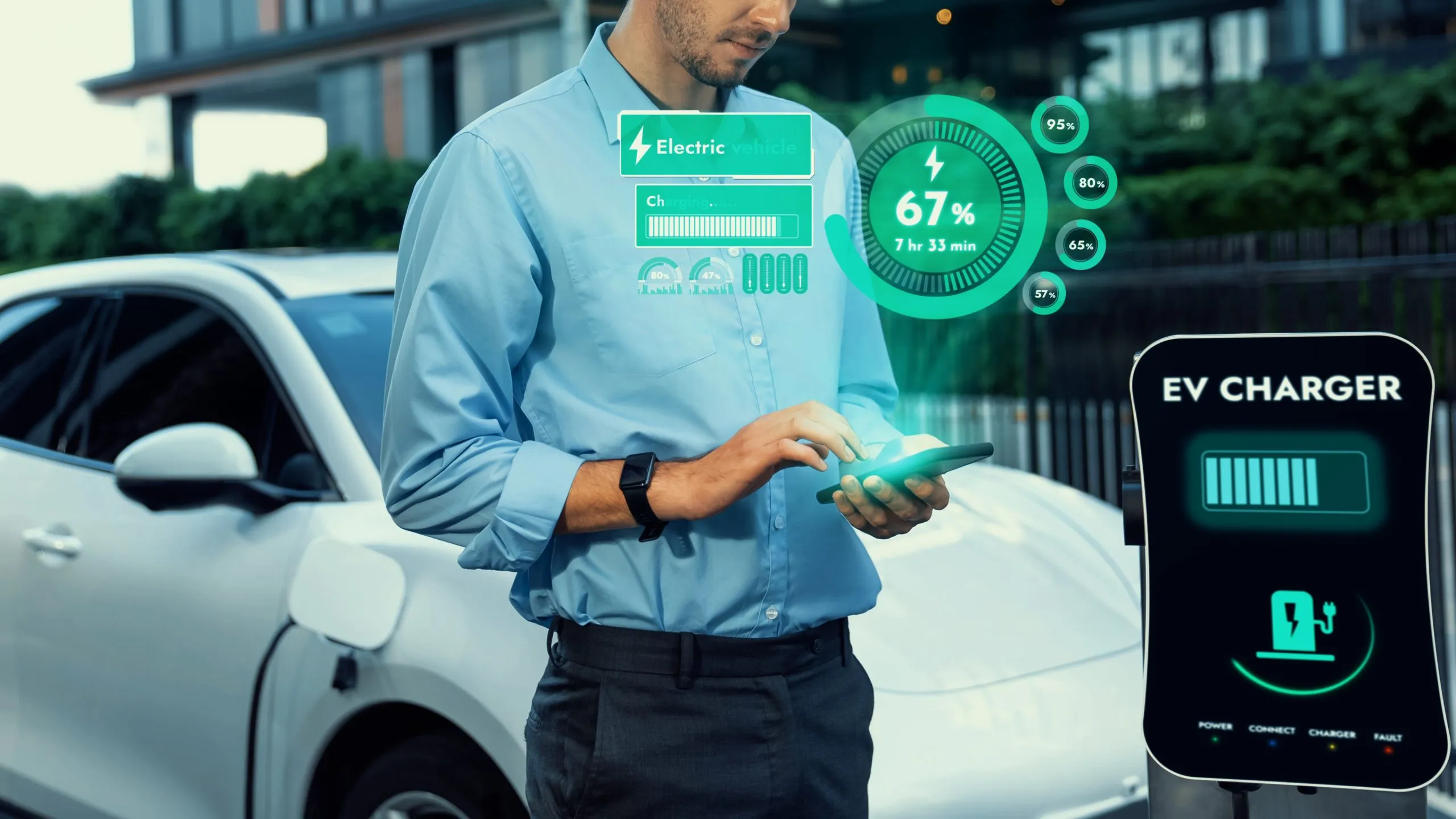
The Philippines’ electric vehicle (EV) market is on an upward trajectory, with the increasing adoption of EVs contributing to the growing demand for Battery Management Systems (BMS). As the country embraces cleaner transportation solutions, these systems are becoming crucial in maintaining the safety, efficiency, and longevity of EV batteries. With rising interest in sustainable mobility, both public and private sectors are investing heavily in EV infrastructure and BMS technology, setting the stage for rapid market growth. The Philippine BMS market is expected to continue expanding in the upcoming years, driven by technological advancements and supportive policies.
Market Growth factors of EV Batteries and BMS in the Philippines
EV Adoption and Infrastructure Expansion
As more Filipinos switch to electric vehicles to reduce their carbon footprints and combat rising fuel prices, the demand for Battery Management Systems (BMS) is growing. Last year, over 15,000 EVs were registered in key urban areas like Metro Manila. Furthermore, the number of EV charging stations has also significantly increased, reaching around 250 nationwide. This infrastructure growth is essential for EV adoption and directly impacts the demand for BMS solutions that ensure battery health, performance, and reliability in all weather conditions, especially in the Philippines’ tropical climate.
Prioritizing Battery Efficiency and Safety
With temperatures regularly soaring in the Philippines, managing the performance and safety of EV batteries becomes more critical. Effective BMS technology is designed to monitor key factors such as battery temperature, charge levels, and voltage, ensuring the longevity and safety of EV batteries. This technology also reduces the risk of failure, preventing dangerous incidents such as thermal runaway. As consumers demand longer lasting and safer EVs, the need for advanced BMS solutions is increasing, ensuring that batteries perform optimally despite local climate challenges.
Fleet Electrification: A Game Changer
In addition to private vehicle adoption, there’s also a growing push to electrify commercial and fleet vehicles. Companies in the logistics and ride-hailing sectors are transitioning to electric fleets to reduce operational costs and comply with environmental regulations. In the coming years, several large corporations in the Philippines aim to have a significant portion of their fleets electrified, driving further demand for high-performing BMS technology. The ability to monitor battery health and optimize energy consumption across large fleets will be a key factor in their successful transition to electric mobility.
Philippine Government’s Role in Boosting EV Battery Technology
The Philippine government is actively supporting the transition to electric vehicles through the Electric Vehicle Industry Development Act (EVIDA), which encourages the integration of EVs into public transport and offers tax breaks for EV-related imports, including batteries and charging stations. These supportive policies, along with increasing public sector investments in EV infrastructure, create a favourable environment for the growth of EV Battery Management Systems. Local regulations are starting to incorporate stringent standards for battery safety, pushing companies to adopt reliable BMS technology.
Competitive Landscape of the Philippines EV Battery Market
In the Philippines, the BMS market is highly competitive, with both international technology leaders and local players racing to supply EV manufacturers and fleet operators with innovative solutions. Major international brands are partnering with local distributors to cater to the growing demand. Meanwhile, several homegrown engineering companies are emerging with cost-effective BMS solutions tailored to the unique needs of the Philippine market, from climate considerations to energy efficiency. This diversity in the competitive landscape is encouraging further technological advancements and driving innovation in the sector.
Major Obstacles faced by the EV Battery Market of the Philippines
High Costs and Financial Barriers
The adoption of advanced Battery Management Systems can be costly, especially for smaller EV manufacturers and fleet operators. The initial investment in BMS technologies and the necessary infrastructure can be a barrier, particularly in an emerging market like the Philippines. Companies are looking for ways to reduce costs without sacrificing quality or safety, but the high costs of cutting-edge technologies remain a significant hurdle.
Lack of Standardization in BMS Solutions
Despite the growing demand for EVs, there is still no unified standard for Battery Management Systems in the Philippines. This lack of consistency poses challenges for manufacturers, who must navigate a fragmented landscape of BMS solutions. Without comprehensive standards and regulations, it becomes harder to ensure that BMS solutions meet safety and performance expectations, complicating the procurement process for consumers and fleet owners.
Future Outlook
The Philippines is on track for a thriving EV market in the coming years, with the EV Battery Management System industry playing a crucial role in this transition. As electric vehicle adoption expands, so too will the demand for smarter, more efficient BMS solutions that enhance the performance and safety of EV batteries. Technological innovations, such as integration with AI and IoT for predictive battery health management, will likely define the future of the market. With continued government support and rising consumer awareness, the Philippines is set to lead Southeast Asia’s electric vehicle revolution in the coming decades.
Consultants at Nexdigm, in their latest publication Philippines EV Battery Management Market Outlook to 2035, analyzed the market by System Type (Battery Monitoring System, Battery Control System, Energy management system, Thermal Management System), by Fitment Type (OEM Solutions, Aftermarket Solutions, Upgraded Systems).
Nexdigm believes that businesses should prioritize innovation, adaptability, and customer-centric strategies to stay competitive in an ever-evolving market. By embracing digital transformation, companies can streamline operations, enhance efficiency, and deliver value in new ways. Additionally, focusing on sustainability and responsible business practices ensures long-term growth while aligning with global environmental and social goals.
To take the next step, simply visit our Request a Consultation page and share your requirements with us.
Harsh Mittal
+91-8422857704