
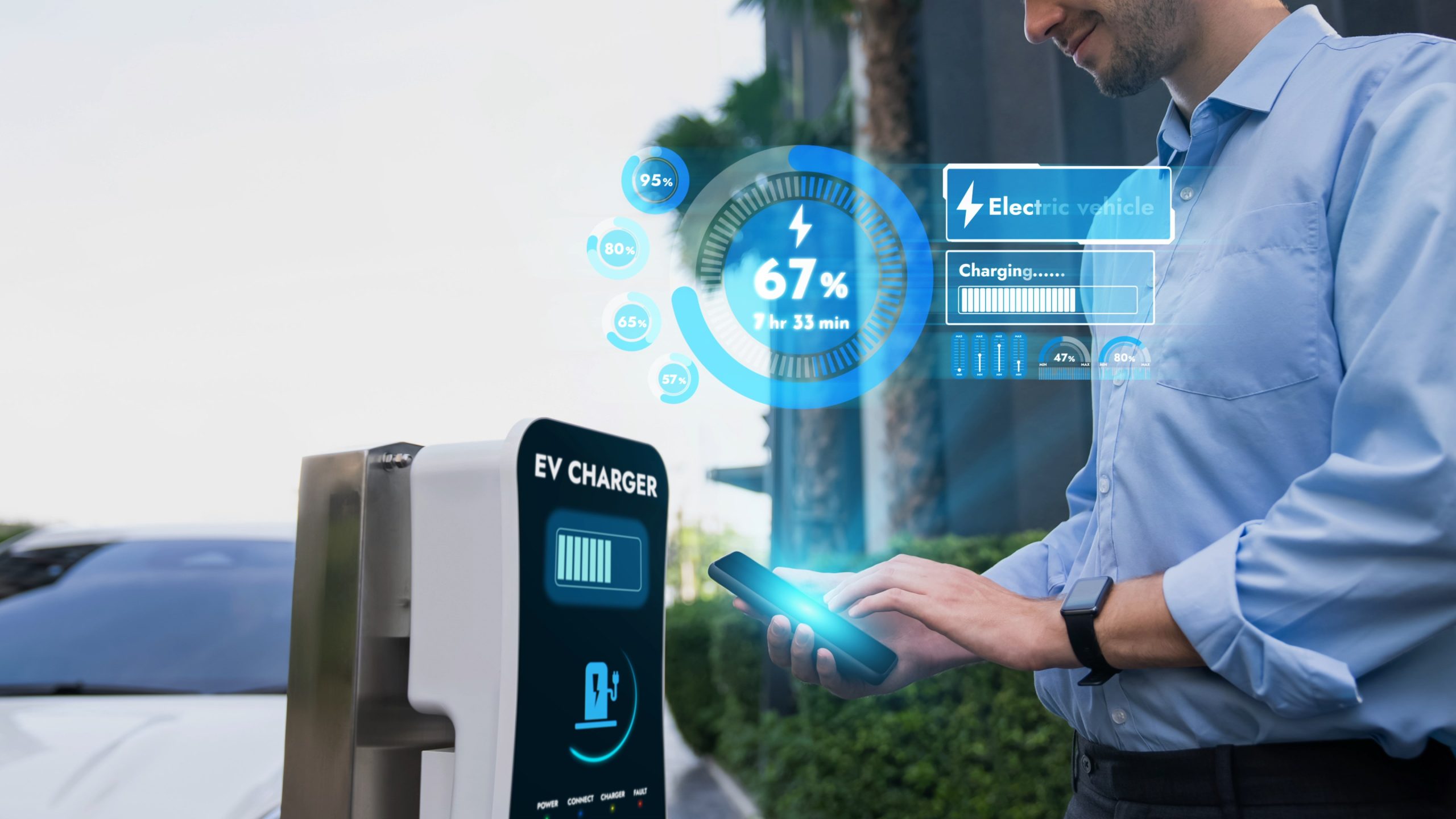
The Philippines is witnessing a surge in demand for electric vehicles (EVs), and with that comes the need for efficient and intelligent charging solutions. EV charging software plays a crucial role in managing charging stations, streamlining energy use, and offering seamless user experiences. As the country embraces cleaner transportation options, the market for EV charging software is poised for growth. Southeast Asia’s EV charging infrastructure is expected to expand rapidly, and the Philippines is set to play a key part in this transition, with EV sales and energy transition initiatives driving the demand for advanced charging solutions.
What’s Driving the Growth of EV Charging Software?
Rising Popularity of Electric Vehicles
As more Filipinos switch to electric vehicles, the demand for reliable and smart charging solutions has skyrocketed. EV charging software helps station operators manage multiple chargers, monitor station health, and track energy consumption. With electric vehicles becoming more affordable and environmentally popular, smart charging software is crucial for optimizing station efficiency and enhancing user experiences.
Need for Smarter and More Efficient Charging
The growing number of EVs on the roads means more pressure on the charging infrastructure. Charging software helps operators manage energy loads, schedule charging during off-peak hours, and monitor the status of each station in real-time. In urban centers like Manila and Cebu, where traffic congestion and high energy consumption are common, these systems are essential to ensuring a smooth, hassle-free experience for drivers looking to charge their vehicles efficiently.
Integrating Renewable Energy for a Greener Future
Many charging stations are now incorporating renewable energy sources such as solar power to reduce reliance on traditional grids. EV charging software can play a key role in managing this integration, helping station operators store excess solar energy and optimize charging times. As the country moves toward a cleaner, greener future, these systems will become even more critical in supporting sustainable mobility solutions.
Government Efforts Supporting the Transition
The Philippine government has been actively encouraging the growth of the EV market through policies like the Electric Vehicle Industry Development Act (EVIDA). This includes offering incentives for EV purchases and establishing charging infrastructure. These efforts aim to make electric mobility more accessible to the public, and the government’s ongoing support helps create a favorable environment for the growth of EV charging software as the nation works towards reducing carbon emissions and improving road safety.
Who’s Competing in the EV Charging Software Market?
The EV charging software market in the Philippines is seeing a mix of global and local players. Companies such as ChargePoint, Shell Recharge Solutions, Greenlots, and EV Connect are making waves in the region by providing scalable charging solutions, including station management and payment integrations. On the local front, tech companies and utility providers are developing tailored software platforms to meet the unique needs of the Philippine market. The competition here revolves around the quality of user experiences, the reliability of the software, and how well it integrates with existing infrastructure.
Challenges experienced in the Growing EV Charging Software Adoption
Infrastructure Gaps and Interoperability Issues
Despite the growing interest in electric vehicles, the country’s charging infrastructure is still in its early stages. Limited charging stations, along with varying charging standards, create hurdles for software providers to ensure seamless interoperability between networks. This lack of uniformity can slow down the adoption of charging software.
Energy Supply and Grid Constraints
The Philippines faces challenges with grid stability in certain regions, making it difficult to guarantee reliable power for EV charging stations. Efficient energy management through software is essential to balance the load across stations, but these solutions also require an upgraded grid to avoid disruptions. Addressing these infrastructure and energy challenges will be key to enabling the country’s sustainable transition.
Future Outlook
As the Philippines market for EV charging software is set to grow rapidly. With increased government support, rising EV adoption, and advancements in technology, the need for efficient charging solutions will become even more pronounced.
Smart charging software that integrates with renewable energy sources and helps manage energy loads will be at the heart of this growth. By 2030, these systems will be essential in creating a more sustainable, user-friendly transportation landscape, making EVs more accessible to Filipinos and contributing to the country’s goals for a greener future.
Consultants at Nexdigm, in their latest publication Philippines EV Charging Software Market Outlook 2030 analyze the sector by Software Function Type (Charge Point Management Systems, User Interface and Mobile Application Software, Data Analytics and Reporting Software, Billing, Payments and Tariff Management Software), by Application Type( Public Charging Networks, Commercial and Workplace Charging, Fleet and Depot Charging and Residential Charging Management).
Nexdigm suggests that businesses in the Philippines should prioritize the adoption of advanced EV charging software to stay competitive in the growing electric vehicle market. By investing in smart charging solutions that enhance user experience, optimize energy consumption, and integrate renewable energy, companies can support the country’s green mobility goals and position themselves for long-term success.
To take the next step, simply visit our Request a Consultation page and share your requirements with us.
Harsh Mittal
+91-8422857704