
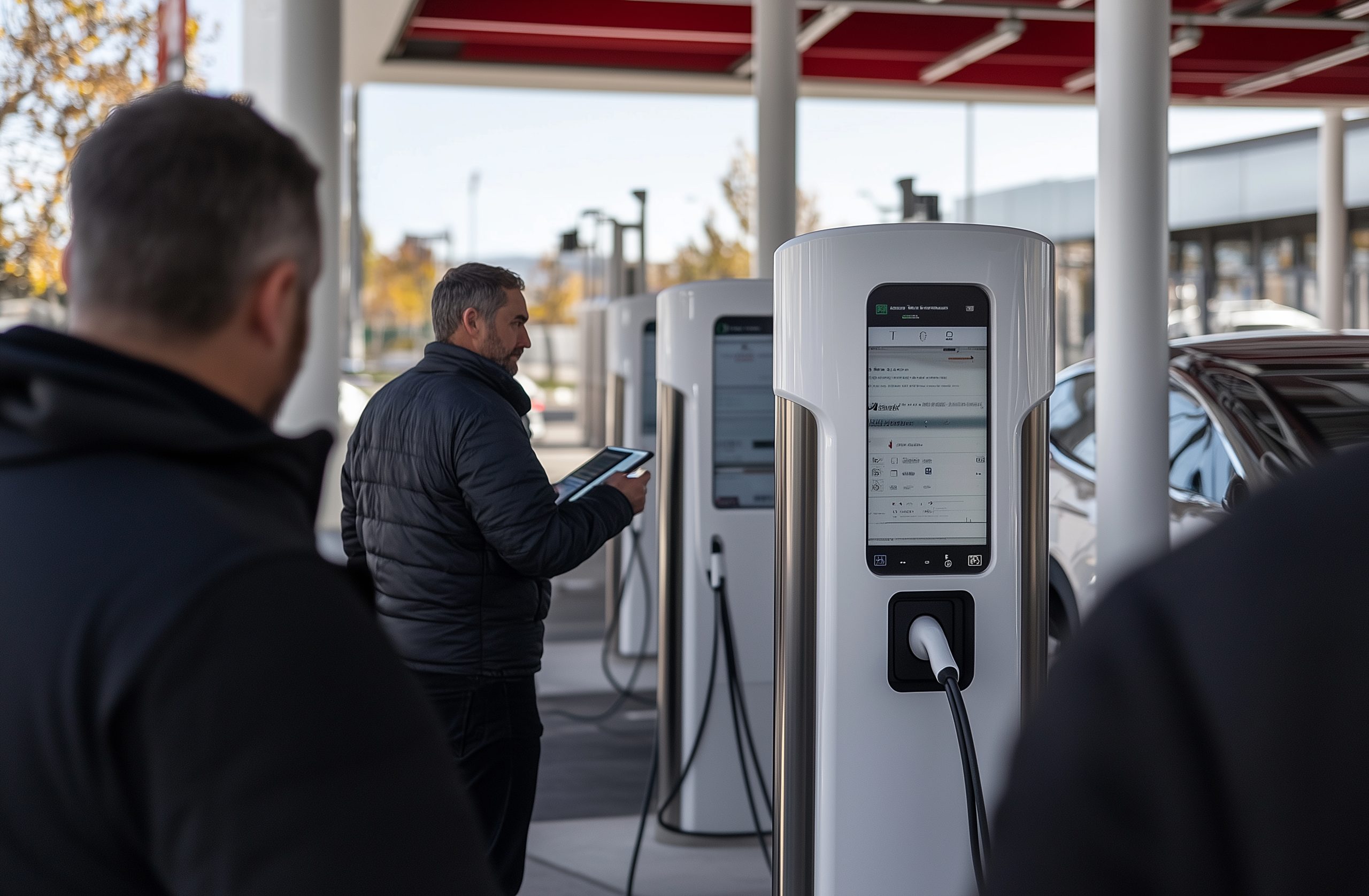
The electric vehicle (EV) charging station market in the Philippines is growing steadily, driven by the increasing demand for clean and efficient transportation. As of early 2025, the country had about 912 charging stations, mostly located in major cities like Metro Manila. With concerns over environmental sustainability and fluctuating fuel prices, the demand for EVs and the necessary charging infrastructure is expected to grow rapidly in the coming years.
As more Filipinos recognize the long-term cost savings and environmental benefits of electric vehicles, the shift toward EVs is becoming inevitable. This growth is supported by both government initiatives and private sector investments aimed at expanding the charging network by 2030.
What are the Major Factors Driving EV Market Growth?
Rise in Electric Vehicle Adoption
Electric vehicle sales in the Philippines have been increasing, as consumers seek more eco-friendly and cost-effective transportation options. By 2030, the Philippines is expected to see a significant rise in EV registrations, creating stronger demand for accessible and reliable charging stations. Government incentives and growing environmental awareness are helping drive this shift to EVs.
Boost in Charging Infrastructure Investment
Both local energy companies and international manufacturers are investing heavily in expanding the EV charging network. This includes deploying fast-charging stations along key urban roads and high-traffic locations. These investments aim to reduce charging times and make EVs more practical for everyday use. By 2030, a large-scale expansion of the charging network is expected to meet growing demand.
How the Government is Supporting EV Growth?
The Philippine government is actively working to expand the country’s EV infrastructure. The government’s goal is to increase the number of public charging stations to over 7,000 by 2028. New policies are being introduced to standardize installation procedures, encourage private sector involvement, and ensure the safe operation of charging networks. This support will make EVs more accessible and practical for the public.
Who are the Market Leaders in the EV Market?
The competitive landscape features a blend of local energy companies, international car manufacturers, and specialized EV infrastructure providers. These players are forming partnerships to deploy charging stations efficiently, integrate renewable energy sources, and create seamless payment systems. The collaboration between energy firms and automakers positions the market for significant expansion over the next several years.
Major Challenges to Overcome in the EV Market
Shortage of Charging Stations
Despite growth in the number of stations, the existing network is still far from sufficient. Experts estimate that thousands of new stations will be needed by 2030 to meet the rising demand. Without a robust charging network, many potential EV owners may hesitate to switch to electric vehicles due to limited access to charging facilities.
High Costs of Expansion
Expanding the charging infrastructure requires significant upfront investment, especially for fast chargers and integrating them into existing energy grids. In rural areas, limited grid capacity and lower levels of public awareness about EVs pose additional challenges to network expansion.
Future Outlook
By 2030, the Philippines’ EV charging station market is expected to experience substantial growth. Continued investments, combined with government policies and the deployment of fast-charging technologies, will make EVs a more practical and appealing choice for many consumers. With the right strategies in place, the Philippines is set to become a key player in Southeast Asia’s electric mobility movement by 2030.
Consultants at Nexdigm, in their latest publication Philippines EV Charging Stations Market Outlook 2030, analyze the sector by Charging Level(AC Level 3.3-33kW, DC Fast Charging, Ultra-Fast Charging, Residential Private Charging and Public Slow Charging), by Location Type (Residential, Commercial, Highway and Transit Corridors, Fleet Depots and Workplace).
Nexdigm suggests that businesses should prioritize innovation to remain competitive. By adopting new technologies such as automation, artificial intelligence (AI), and data analytics, businesses can streamline their operations, optimize workflows, and enhance decision-making. These innovations help improve efficiency and create more personalized experiences for customers.
To take the next step, simply visit our Request a Consultation page and share your requirements with us.
Harsh Mittal
+91-8422857704