
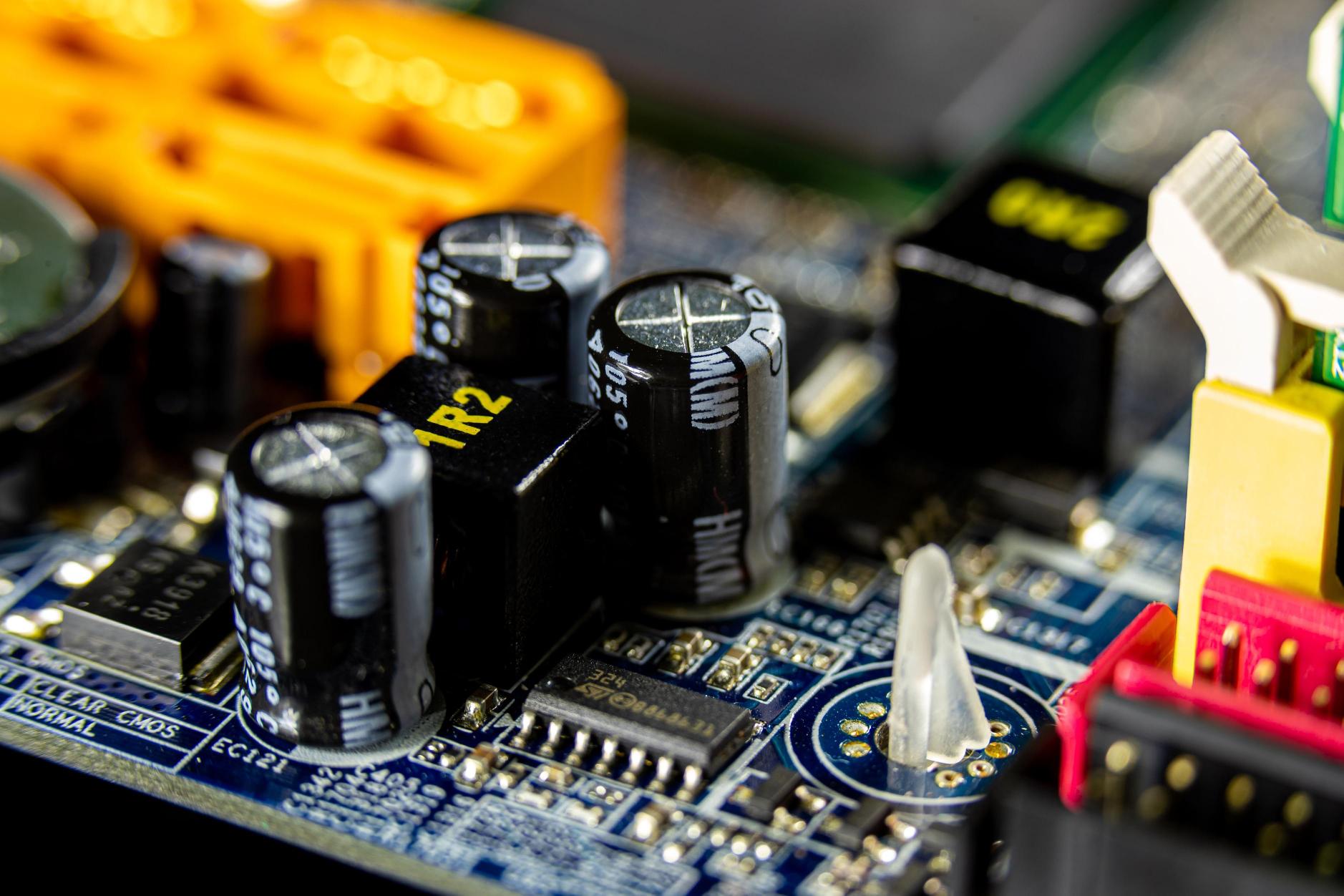
The Philippines flexible electronics and flexible circuits industry is gaining momentum as the country strengthens its position in semiconductor assembly and advanced electronics manufacturing. The industry is projected to reach approximately USD 1.42 billion by 2025, supported by a robust CAGR of 9.4% through 2035. Growing adoption of wearable devices, flexible displays, healthcare monitoring systems, and smart packaging solutions is creating new opportunities for manufacturers. Industrial hubs such as Calabarzon and Cebu have emerged as key centers for innovation, attracting investments in advanced circuit integration and next-generation electronic applications.
Market Drivers Advancing Philippines Flexible Electronics Growth
Rising Demand for Wearable Devices and Smart Healthcare Technologies
The increasing use of wearable electronics has become a major growth catalyst for the Philippines flexible electronics industry. Flexible sensors are widely used in health monitoring devices, fitness trackers, and medical diagnostics equipment due to their lightweight design and adaptability. As healthcare providers adopt remote patient monitoring solutions, demand for flexible electronic components continues to rise. Globally, wearable device shipments exceed 500 million units annually, creating strong demand for advanced flexible circuits and sensors.
Expansion of Semiconductor Manufacturing and Advanced Packaging
The Philippines is a prominent electronics manufacturing destination in Southeast Asia, contributing significantly to global semiconductor assembly and testing activities. Companies operating in industrial zones such as Laguna Technopark and the Mactan Economic Zone are increasingly investing in high-density interconnect (HDI) flexible circuits and advanced packaging technologies. These developments improve product performance while enabling manufacturers to support emerging applications in consumer electronics, automotive systems, and industrial automation.
Growing Adoption of Smart Packaging Solutions
Smart packaging is transforming supply chains by incorporating flexible electronic components capable of tracking product conditions and improving inventory management. Industries including food, pharmaceuticals, and retail are increasingly deploying sensor-enabled packaging solutions. The growing focus on supply chain visibility and product authentication is expected to create additional opportunities for flexible circuit manufacturers operating in the Philippines.
Government Initiatives Supporting Philippines Flexible Electronics Industry
The Philippine government continues to strengthen the electronics manufacturing ecosystem through investment promotion programs and industrial development initiatives. The Department of Energy’s implementation of the Energy Efficiency and Conservation Act encourages manufacturers to adopt energy-efficient production processes. Additionally, compliance with RoHS and WEEE environmental standards is actively enforced to promote sustainable manufacturing practices, reduce hazardous waste, and improve material recyclability across the electronics sector.
Competitive Landscape of Philippines Flexible Electronics Industry
The competitive environment consists of global electronics manufacturers, semiconductor assemblers, and specialized circuit producers. Leading participants include Integrated Micro-Electronics Inc. (IMI), electronics contract manufacturers operating in Laguna Technopark, and firms located within Cebu’s Mactan Economic Zone. Companies are focusing on research and development, automation technologies, advanced packaging capabilities, and strategic partnerships to enhance production efficiency and maintain competitiveness in evolving electronics applications.
Challenges Impacting Philippines Flexible Electronics Industry
High Production and Technology Upgrade Costs
Manufacturers often face significant capital expenditure requirements when upgrading facilities for advanced flexible circuit production. Investments in precision equipment, automation systems, and quality testing technologies can create financial challenges, particularly for smaller enterprises.
Stringent Regulatory Compliance Requirements
Adherence to international standards such as RoHS and WEEE requires continuous monitoring and process improvements. Compliance-related costs and certification requirements may increase operational complexity for industry participants while maintaining sustainability objectives.
Future Outlook
Increasing Integration of Flexible Electronics Across Industries
Flexible electronics are expected to witness broader adoption across healthcare, automotive, consumer electronics, and industrial automation applications. Rising demand for lightweight, energy-efficient, and adaptable electronic solutions will continue supporting industry expansion.
Innovation and Sustainability Shaping Long-Term Growth
Future growth will be driven by investments in advanced packaging, flexible displays, printed electronics, and sustainable manufacturing processes. As the Philippines strengthens its semiconductor ecosystem and expands research capabilities, the flexible electronics sector is expected to play an increasingly important role in the country’s high-value manufacturing landscape.
Consultants at Nexdigm, in their latest publication “Philippines Flexible Electronics and Flexible Circuits Market Outlook to 2035 ,” analyze the sector By (Defined scope via PEZA data, Bottom-up production volume tally, Top-down export revenue validation, Expert semi-structured industry interviews, Triangulated secondary source analysis,).
Nexdigm suggests that businesses in the Philippines Flexible Electronics and Flexible Circuits Industry focus on expanding capabilities in flexible sensors, wearable electronics, smart packaging, and advanced circuit integration while leveraging the country’s strong semiconductor manufacturing ecosystem to drive sustainable growth and innovation.
To take the next step, simply visit our Request a Consultation page and share your requirements with us.
Harsh Mittal
+91-8422857704