
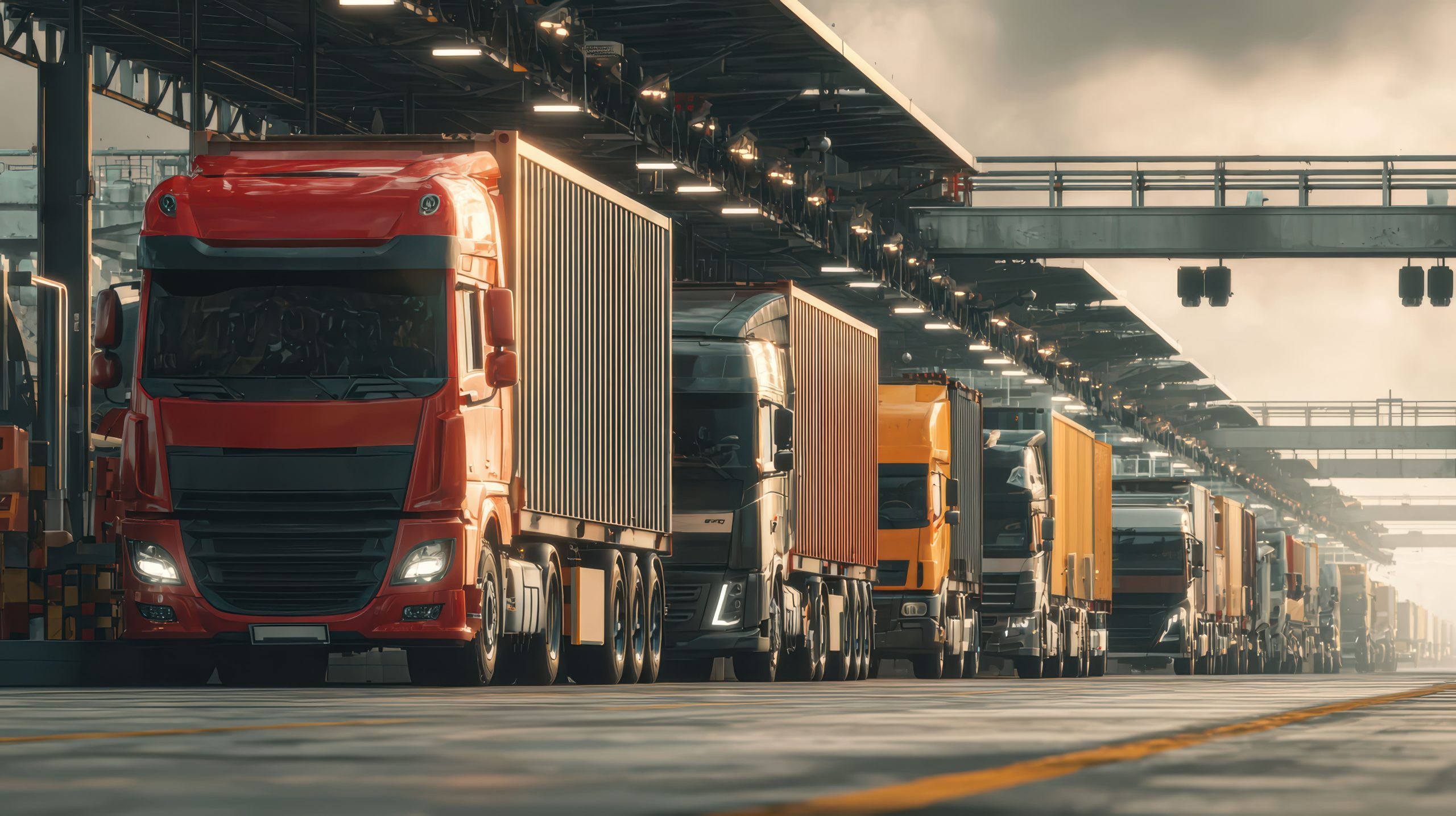
The Philippines freight and logistics market is experiencing a rapid structural change as digitalization, rising e-commerce adoption, and the formalization of small and medium enterprises (SMEs) reshape how goods move across the archipelago. As of 2026, the country’s logistics ecosystem remains fragmented, with thousands of small trucking operators, shipping agents, and inter-island carriers operating with limited digital coordination. Freight aggregators are emerging as critical intermediaries, connecting shippers with transport capacity through digital platforms, improving asset utilization, and enabling price discovery. The growth of domestic consumption, cross-border trade within ASEAN, and the continued expansion of last-mile delivery networks are positioning freight aggregators as key enablers of supply chain efficiency in the Philippines through 2035.
What’s Driving the Freight Aggregator Market in the Philippines?
E-commerce Growth and Omnichannel Retail Expansion
The sustained growth of e-commerce and social commerce is driving demand for flexible, tech-enabled freight solutions. Online marketplaces, direct-to-consumer brands, and omnichannel retailers require reliable inter-city and inter-island freight connectivity to support fulfillment centers and regional warehouses. Freight aggregators enable these businesses to dynamically source transport capacity during demand spikes, particularly during seasonal sales and promotional campaigns. This flexibility is helping SMEs compete with larger retailers that operate captive logistics fleets.
Fragmented Transport Landscape and Underutilized Capacity
The Philippines’ freight market remains highly fragmented, with a large base of small fleet owners and owner-operators. Vehicle underutilization, empty backhauls, and inconsistent pricing have historically inflated logistics costs. Aggregator platforms are addressing these inefficiencies by pooling capacity, matching demand with available trucks and vessels, and optimizing routes. This aggregation model improves fleet utilization and reduces turnaround times, making logistics more cost-efficient for shippers across FMCG, construction materials, and agricultural produce.
Inter-Island Trade and Infrastructure Development
As an archipelagic nation, the Philippines relies heavily on inter-island shipping and multimodal connectivity. Ongoing investments in ports, road connectivity, and logistics hubs under national infrastructure programs are improving freight corridors between Luzon, Visayas, and Mindanao. Freight aggregators are increasingly integrating trucking, sea freight, and warehousing into unified digital platforms, enabling end-to-end visibility for inter-island cargo movements. This integration is reducing friction in multi-leg shipments and supporting the growth of regional distribution networks.
Government-Led Initiatives Supporting Logistics Digitalization
The Philippine government continues to prioritize logistics modernization to improve national competitiveness. Policy initiatives promoting digital trade facilitation, customs modernization, and public-private partnerships in logistics parks are indirectly supporting the growth of freight aggregation platforms. The push to reduce logistics costs as a percentage of GDP and streamline inter-island cargo movement is encouraging enterprises to adopt digital freight matching, electronic documentation, and track-and-trace solutions. Over time, regulatory clarity around data sharing and digital payments is expected to further formalize the aggregator ecosystem.
Market Competition and Platform Ecosystem
The Philippines freight aggregator market is moderately competitive, with a mix of local digital logistics startups, regional platforms expanding within ASEAN, and traditional logistics firms building aggregator capabilities through partnerships. Competition is centered on network depth, platform reliability, pricing transparency, and value-added services such as cargo insurance, real-time tracking, and integrated warehousing. As customer expectations mature, platforms offering end-to-end visibility, standardized service levels, and financing options for transport partners are likely to gain share.
Infrastructure Bottlenecks and Service Reliability
Despite ongoing infrastructure investments, congestion at ports, urban traffic bottlenecks, and weather-related disruptions continue to impact service reliability. These constraints can affect aggregator performance metrics such as on-time delivery and capacity availability. Additionally, digital adoption among small fleet operators remains uneven, requiring continuous onboarding, training, and incentives to ensure platform reliability at scale.
Future Outlook
The Philippines freight aggregator market is expected to witness sustained growth through 2035, driven by e-commerce expansion, regional trade integration, and the digital transformation of domestic supply chains. By 2035, aggregator platforms are expected to play a central role in connecting SMEs to nationwide and inter-island logistics networks, with higher adoption of AI-driven route optimization, dynamic pricing, and predictive demand forecasting. The market is likely to see consolidation, with leading platforms scaling nationwide coverage and building deeper integrations with ports, warehouses, and cross-border trade lanes across ASEAN.
Consultants at Nexdigm, in their latest publication “Philippines Freight Aggregator Market Outlook to 2035”, analyzed the market by Service Type (Full-Truckload, Less-Than-Truckload, Inter-Island Shipping, Warehousing & Value-Added Services), By End User (E-commerce & Retail, Manufacturing, Agriculture, Construction), and By Platform Model (Digital Marketplaces, Hybrid Aggregators, Enterprise Logistics Platforms). Nexdigm believes that businesses should prioritize network density across key economic corridors, invest in platform-led visibility and AI-based optimization, and build strong partnerships with port operators and regional carriers to scale sustainably in the Philippines’ evolving freight aggregation ecosystem.
To take the next step, simply visit our Request a Consultation page and share your requirements with us.
Harsh Mittal
+91-8422857704