
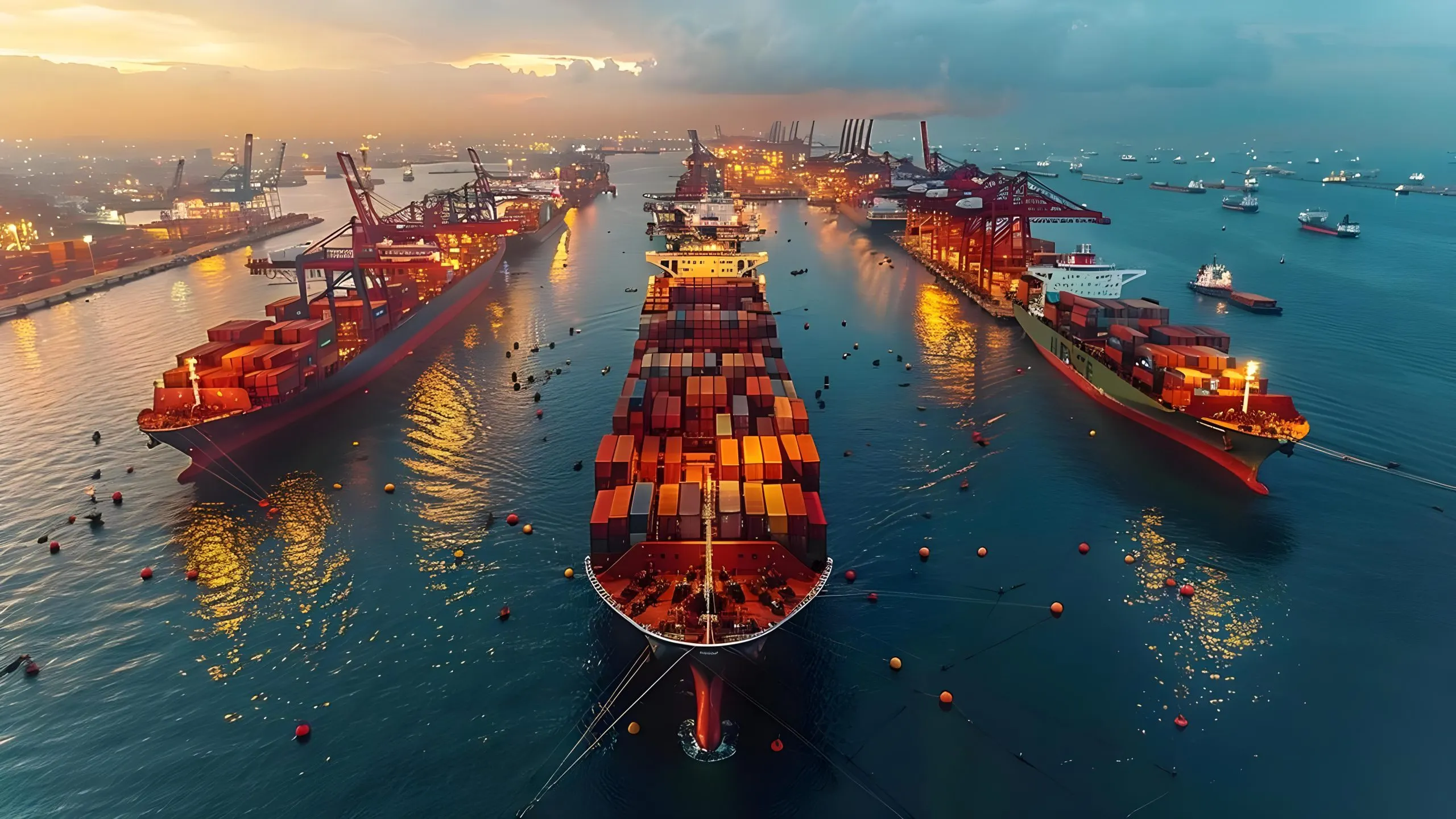
The Philippines freight forwarding market is an integral part of the nation’s broader logistics ecosystem, facilitating the movement of goods across domestic and international trade routes. Ports in Manila, Cebu, and Davao serve as key gateways for imports and exports, while rising e‑commerce and manufacturing demand are expanding service needs. The logistics market in the Philippines was valued at tens of billions of USD in recent years, and freight forwarding is expected to grow in parallel with trade and digital supply chain adoption. This outlook examines key drivers, government support, challenges, competition, and prospects through 2035.
Key Drivers Fueling Growth in the Philippines Freight Forwarding Market
Strong E‑commerce Growth
Rapid expansion of online retail is one of the prime drivers for freight forwarding services. The Philippines’ e‑commerce sector is projected to nearly double over the coming years, pushing demand for reliable cargo handling, timely delivery, and last‑mile integration. Both domestic online orders and cross‑border transactions are increasing pressure on forwarders to provide efficient multimodal logistics solutions.
Trade and Industrial Expansion
The Philippines’ strategic geographic location and steady growth in manufacturing and export sectors underpin sustained freight volumes. Electronics, food products, industrial components, and consumer goods increasingly move in and out of the country, requiring freight forwarding services that can coordinate sea, air, and land transport efficiently. As production hubs and distribution networks expand, service providers that offer seamless documentation, customs clearance, and multimodal coordination will be in greater demand.
Infrastructure Modernization
Government and private investments in ports, highways, and logistics parks are enhancing connectivity and reducing transit bottlenecks. Improvements in port handling capacity, road freight corridors, and warehousing facilities help speed cargo movement, which directly benefits freight forwarders by lowering costs and improving reliability across domestic and international supply chains.
Government Policies and Initiatives Enhancing the Philippines Freight Forwarding Sector
The Philippine government has pursued infrastructure and logistics reforms to support freight mobility. Initiatives under programs like “Build, Better, more” include port expansions, modernization of customs procedures, and enhancements to transportation corridors. These measures aim to improve throughput and inter‑island connectivity, benefiting freight forwarders by streamlining cargo handling and reducing clearance times. Continued digital trade facilitation and policy support for logistics services further strengthen the industry’s operational environment.
Key Players and Market Dynamics in the Philippines Freight Forwarding Sector
The freight forwarding segment in the Philippines is characterized by a mix of domestic and international players. Major service providers include 2GO Group, LBC Express, Airfreight 2100, Royal Cargo, DHL Philippines, FedEx, UPS, Kuehne Nagel, CEVA Logistics, and Agility, among others. These companies compete on service breadth, geographic coverage, pricing, and technology integration. Fragmentation in regional service offerings creates opportunities for both global forwarders and specialized local firms to expand their client base.
Key Obstacles Impacting the Growth of the Philippines Freight Forwarding Industry
Geographic and Infrastructure Constraints
The Philippines’ archipelagic geography poses logistical challenges, increasing transit complexity and operating costs for freight forwarders. Despite improvements, infrastructure gaps in secondary ports and rural connectivity can slow deliveries and raise expenses.
Skilled Workforce Shortage
Shortages of trained logistics professionals and technology experts also limit operational efficiency, making talent acquisition and retention a strategic concern for forwarders aiming to scale operations.
Future Outlook
Through 2035, the Philippines freight forwarding market is expected to grow in line with broader logistics expansion, driven by trade, digital commerce, supply chain modernization, and rising consumer demand. Experts project that the country’s logistics sector, including freight forwarding, will register a steady CAGR well into the next decade, potentially accompanying growth in warehousing, courier services, and cold chain logistics. Continued investment in technology—such as AI tracking, real‑time visibility platforms, and process automation—will help forwarders enhance service reliability and capture a larger share of regional trade flows.
Consultants at Nexdigm, in their latest publication “Philippines Freight Forwarding Market Outlook to 2035,” analyze the sector by System Type (Ocean Freight Forwarding, Air Freight Forwarding, Road Freight Forwarding, Multimodal Freight Forwarding), By Platform Type (Digital Freight Platforms, Traditional Brokerage Platforms, Integrated Logistics Platforms), and By Fitment Type (Domestic Freight Forwarding, International Freight Forwarding, Cross Border Freight Forwarding). Nexdigm suggests that businesses should adapt to evolving market dynamics by staying informed on government policies, demand shifts, and infrastructure developments. Leveraging technology for automation, real-time tracking, and efficient route planning is key, especially with growing e-commerce. Additionally, focusing on sustainability, cost-effectiveness, and high-quality service will help businesses remain competitive in the rapidly changing logistics landscape.
To take the next step, simply visit our Request a Consultation page and share your requirements with us.
Harsh Mittal
+91-8422857704