
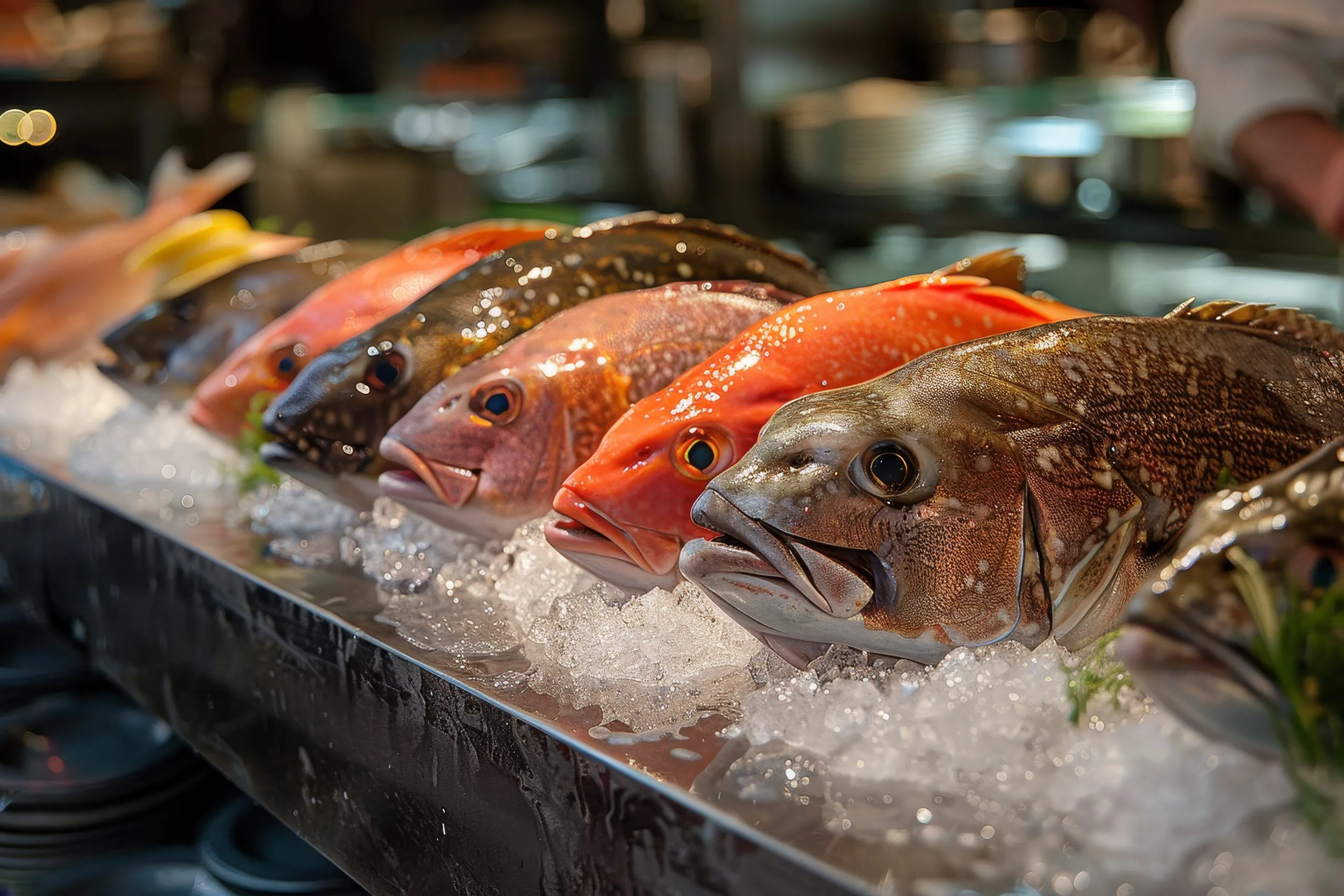
The Philippines frozen seafood market is gaining importance as households, supermarkets, restaurants, hotels, and food processors look for convenient and reliable seafood options. Seafood is deeply embedded in Filipino diets, with fish, shrimp, squid, crab, and shellfish used across everyday meals and regional cuisines. The broader fish and seafood market is valued at around USD 9.1 billion and is projected to reach USD 13.4 billion. Frozen seafood supports year-round availability, helps reduce spoilage, and gives consumers access to affordable and premium seafood formats across retail and foodservice channels.
Key Growth Drivers of the Philippines Frozen Seafood Market
Seafood Remains Central to Filipino Food Consumption
Seafood is a staple protein across the Philippines, supported by the country’s island geography, coastal communities, and strong culinary traditions. Fish is widely used in grilled dishes, soups, stews, fried meals, and processed products. Frozen seafood is becoming more relevant because it offers longer shelf life and easier storage compared with fresh seafood. Busy urban households increasingly prefer frozen fish fillets, shrimp, squid, crab, and mixed seafood packs that can be cooked quickly at home.
Domestic Supply Pressure Supports Frozen and Imported Seafood
The Philippines has a strong fisheries base, but output can fluctuate due to weather conditions, seasonal catches, overfishing concerns, and supply-chain limitations. Fisheries output moderated from about 1.17 million metric tons to 1.07 million metric tons, showing the importance of stable seafood sourcing. Frozen seafood helps fill supply gaps by allowing products to move from fishing areas, processing hubs, and import channels to urban consumption centres with less spoilage.
Foodservice and Modern Retail Are Expanding Product Access
Restaurants, hotels, catering businesses, supermarkets, convenience-led retailers, and online grocery platforms are increasing frozen seafood availability. Demand is rising for portioned fillets, ready-to-cook shrimp, squid rings, crab meat, fish balls, and processed seafood products. These formats help businesses manage inventory and reduce preparation time.
Government Support is Focused on Food Safety, and Cold Chain Improvement
Government support is mainly linked to fisheries management, aquaculture development, food safety, import regulation, and cold-chain modernization. Authorities continue to support fishery output, sustainable resource management, and seafood supply stability. Import approvals for frozen fish also help ease temporary supply pressure when domestic production falls short. Broader investments in ports, cold storage, processing facilities, and quality inspection systems can support safer and more reliable frozen seafood distribution across the country.
Competitive Landscape Is Shaped by Processing Quality and Distribution Reach
The Philippines frozen seafood market includes local fish processors, importers, cold-chain distributors, aquaculture firms, supermarkets, foodservice suppliers, wet market traders, and online grocery platforms. Competition is shaped by product freshness, species availability, price, packaging, storage quality, processing standards, and delivery reliability. Local frozen fish and shrimp products compete with imported seafood across retail and foodservice channels. Suppliers that offer consistent quality, affordable pack sizes, and strong cold-chain distribution are better positioned to serve both households and commercial buyers.
Import Dependence and Cold Chain Gaps Remain Key Market Barriers
Seasonal Supply and Price Volatility Affect Availability
Seafood supply in the Philippines can be affected by weather disruptions, fishing bans, fuel costs, seasonal catches, and import price changes. These factors can create price volatility for wholesalers, retailers, and consumers.
Cold Storage and Handling Need Further Improvement
Frozen seafood requires reliable freezing, storage, transport, and retail handling. Weak cold-chain links, power disruptions, poor packaging, or temperature fluctuations can reduce product quality and increase spoilage. Better infrastructure remains essential for wider market confidence.
Future Outlook
The Philippines frozen seafood market is expected to grow steadily as consumers seek convenience, affordability, and reliable seafood access. Future opportunities will likely emerge in ready-to-cook seafood packs, frozen fish fillets, shrimp, squid, crab products, value-added seafood, and online seafood delivery. Foodservice and modern retail will remain important demand channels as operators look for consistent supply and easier inventory management. Businesses that invest in cold-chain quality, transparent sourcing, affordable formats, and localized seafood products are likely to capture stronger long-term growth.
Consultants at Nexdigm, in their latest publication “Philippines frozen seafood market outlook to 2035,” analyze the sector By Product Type (Frozen Mackerel, Frozen Herring, Frozen Horse Mackerel), By Distribution Channel (Open Markets, Cold-Room Wholesalers, Supermarkets)
Nexdigm suggests that businesses should prioritize cold-chain reliability, value-added seafood formats, affordable pack sizes, and stronger retail and foodservice distribution to capture growth in the Philippines frozen seafood market.
To take the next step, simply visit our Request a Consultation page and share your requirements with us.
Harsh Mittal
+91-8422857704