
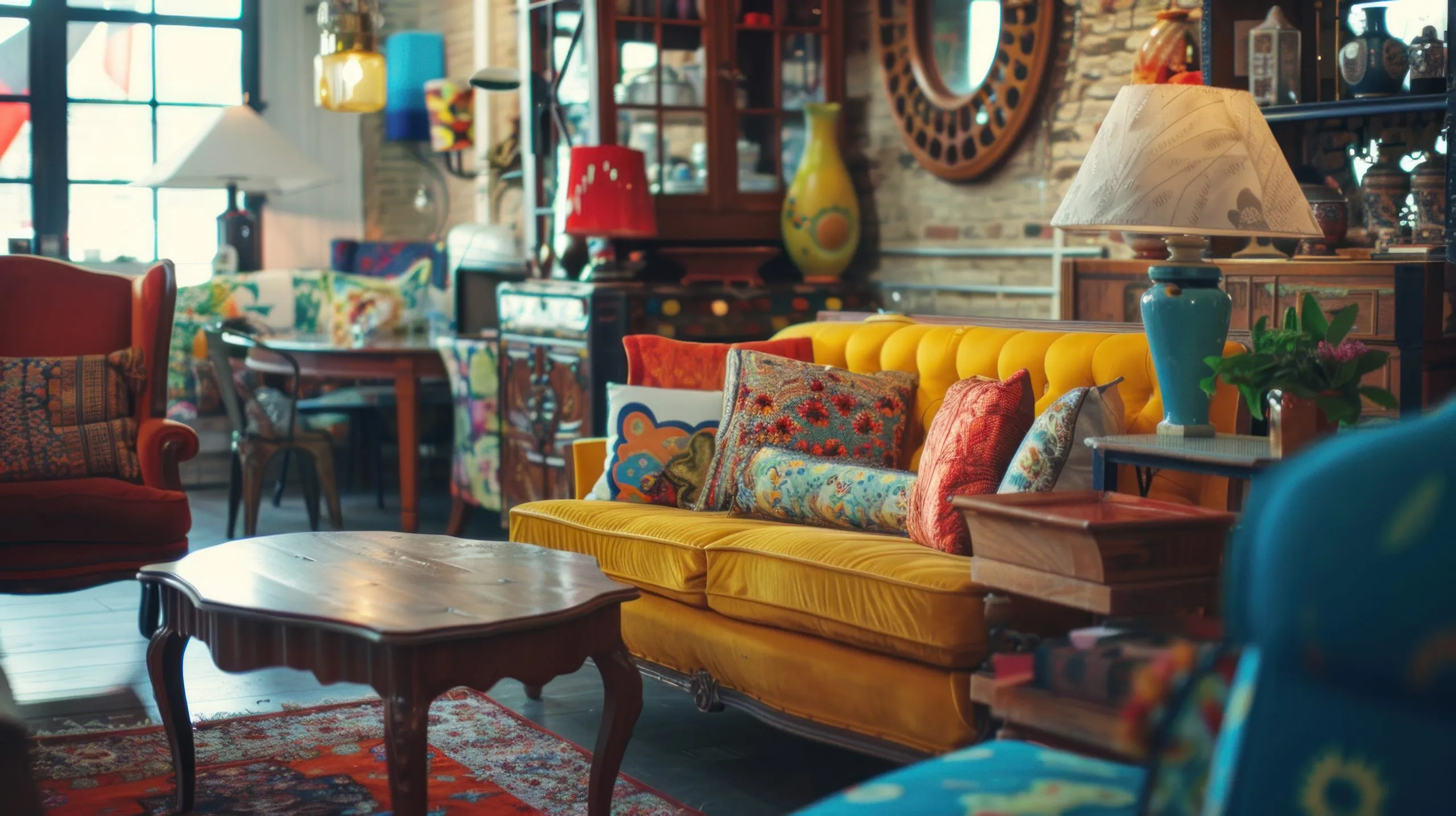
The Philippines furniture and home furnishing market is witnessing steady growth as changing lifestyles, rapid urbanization, and rising disposable incomes reshape consumer spending patterns. With more Filipinos investing in home improvement, stylish furniture, and multifunctional living spaces, demand continues to expand across residential and commercial segments. The growing influence of e-commerce, interior design trends, and sustainable furniture choices is further transforming purchasing behavior. According to industry estimates, over 48% of the Philippine population now lives in urban areas, creating sustained demand for modern home furnishing solutions and space-efficient furniture.
Factors Driving the Market
Rising urbanization and housing development are strengthening market demand
One of the primary growth drivers of the Philippines furniture and home furnishing market is the country’s expanding urban population and continuous residential construction. As cities continue to grow and new housing projects emerge, households are increasingly purchasing furniture for newly built apartments, condominiums, and single-family homes. Government-backed affordable housing initiatives and private real estate developments are also creating fresh opportunities for furniture manufacturers and retailers.
Digital commerce and changing consumer preferences are reshaping purchasing behavior
The rapid growth of online retail has significantly transformed how consumers purchase furniture across the Philippines. Online marketplaces and branded e-commerce platforms now offer wider product selections, competitive pricing, home delivery, and flexible payment options, making furniture more accessible to buyers nationwide.
Sustainability and locally crafted furniture are creating new growth opportunities
Consumer awareness surrounding environmental sustainability has steadily increased across the Philippines furniture industry. Buyers are showing growing interest in furniture manufactured using responsibly sourced wood, bamboo, recycled materials, and eco-friendly production techniques. This shift is encouraging manufacturers to adopt greener manufacturing practices while promoting sustainable product collections.
Government initiatives are supporting industry growth and export competitiveness
The Philippine government continues to support the furniture industry through export promotion programs, MSME development initiatives, and investments in manufacturing competitiveness. Agencies such as the Department of Trade and Industry (DTI) actively assist local manufacturers through international trade fairs, design development programs, and market access initiatives. These efforts encourage innovation, strengthen export capabilities, and improve the global visibility of Philippine-made furniture while supporting employment across the manufacturing sector.
A competitive landscape is encouraging product innovation and expansion
The Philippines furniture and home furnishing market features a mix of established domestic manufacturers, international furniture brands, specialty retailers, and rapidly growing online sellers. Companies compete through innovative product designs, sustainable materials, competitive pricing, customization options, and enhanced customer experiences. Businesses are also expanding their digital presence and showroom networks to capture demand from both urban and emerging provincial markets.
Supply chain disruptions and raw material costs remain key market challenges
Rising material prices continue to pressure manufacturers
Fluctuating prices of timber, foam, metal, and imported raw materials continue to affect production costs for furniture manufacturers. Global supply chain disruptions and freight cost volatility further impact pricing strategies and profit margins, making cost management increasingly important.
Competition from imported products is intensifying
Affordable imported furniture products create strong pricing pressure for local manufacturers, particularly in the mass-market segment. To remain competitive, domestic companies must continuously invest in product innovation, quality improvements, efficient manufacturing processes, and stronger brand differentiation while maintaining affordable pricing for consumers.
Future Outlook
The future of the Philippines furniture and home furnishing market appears promising, supported by rising urbanization, expanding housing developments, digital retail adoption, and increasing consumer spending on home improvement. Growing demand for sustainable products, multifunctional furniture, and personalized interior solutions will continue to shape future market trends. As manufacturers embrace innovation, strengthen e-commerce capabilities, and expand export opportunities, the industry is expected to maintain steady growth and reinforce the Philippines’ position as an important furniture manufacturing hub in Southeast Asia.
Consultants at Nexdigm, in their latest publication “Philippines furniture and home furnishing market outlook to 2035,” analyze the sector By Product Category (Living Room Furniture, Bedroom Furniture, Dining and Kitchen Furniture, Office and Home Office Furniture), By Room Type (Living Room, Bedroom, Dining Room)
Nexdigm suggests that businesses in the Philippines furniture and home furnishing market should focus on affordable, durable, and locally relevant products that address urban housing, lifestyle upgrades, and modern interior needs.
To take the next step, simply visit our Request a Consultation page and share your requirements with us.
Harsh Mittal
+91-8422857704