
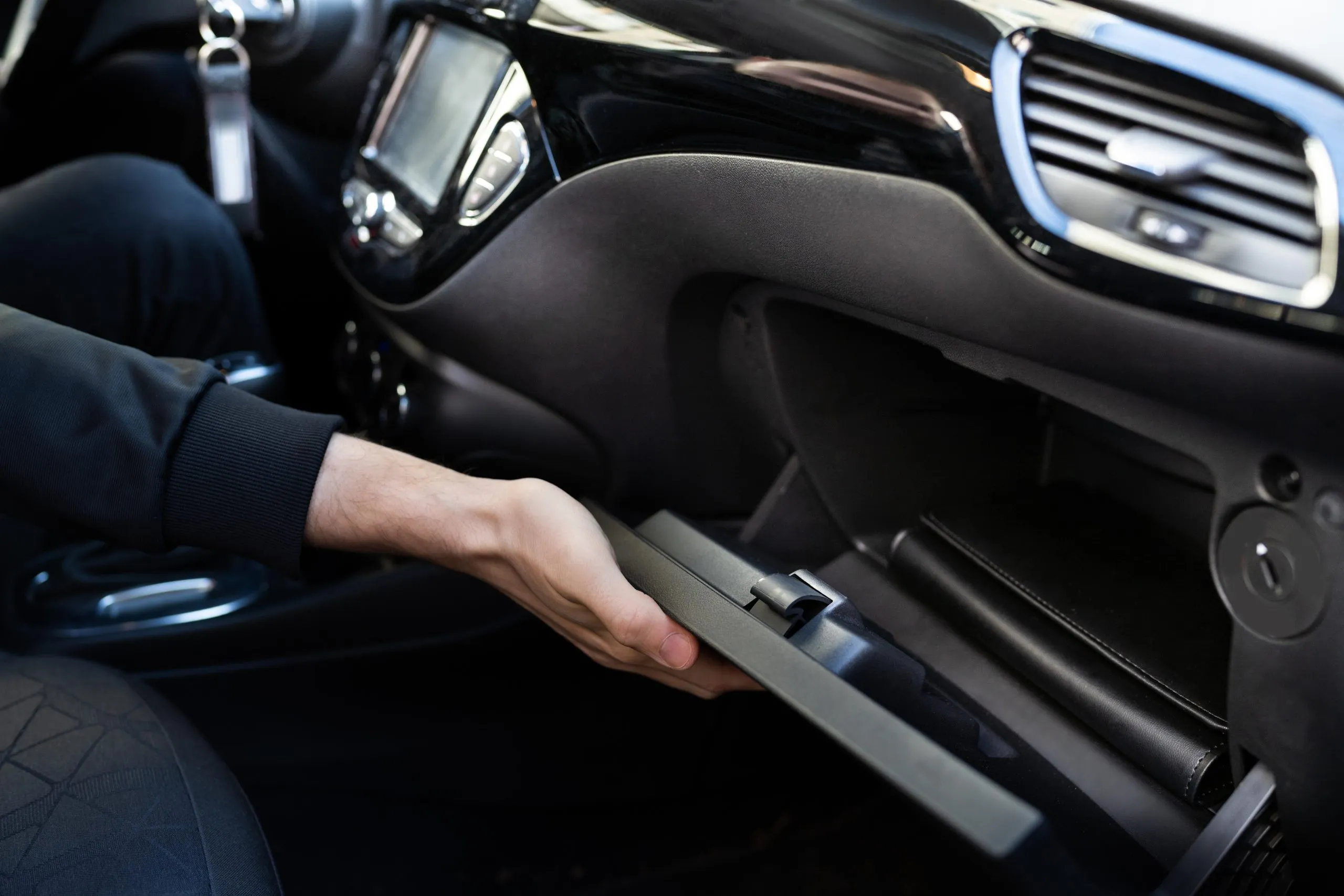
The Philippines automotive interiors market has started to attract more attention as vehicle buyers place greater importance on convenience and cabin functionality rather than focusing only on engine performance or exterior styling. Glove compartments, once considered a basic storage feature, are now being redesigned with cooling systems, lighting, smart locks, and charging ports in many mid-range vehicles. In the Philippines, where compact SUVs and pickup trucks continue to dominate road sales, interior storage utility has become a practical selling point for both automakers and aftermarket suppliers. While most glove compartment systems and plastic interior parts are still imported from neighboring Asian manufacturing hubs, local suppliers are slowly building capabilities in molding and assembly. The market may appear niche at first glance, but it reflects broader changes taking place across the country’s automotive sector.
What’s Driving the Glove Compartments Market in the Philippines?
Rising Demand for SUVs and Utility Vehicles
Consumer preferences in the Philippines have shifted noticeably over the last few years. Sedans still hold a place in urban markets, but SUVs and pickup trucks are increasingly common, particularly among middle-income families and small business owners. These vehicles naturally offer more cabin space, and buyers now expect practical storage layouts inside the dashboard and center console areas. In practice, glove compartments are becoming larger, more durable, and better integrated with infotainment systems. Carmakers are paying closer attention to interior convenience because Filipino buyers often use vehicles for long-distance family travel and multi-purpose daily use.
Strong Aftermarket Modification Culture
The country has a very active automotive customization scene, especially in Metro Manila, Cebu, and Davao. Vehicle owners regularly upgrade interiors with touchscreen systems, ambient lighting, leather trims, and customized storage units. Glove compartments are part of this trend. Some aftermarket workshops now install cooled compartments or hidden storage sections designed for gadgets and personal items. Online marketplaces have made these products easier to access, even for owners outside major cities. A common challenge, though, is inconsistent product quality. Low-cost imported accessories sometimes fail under heat exposure, which remains a concern given the Philippines’ tropical climate.
ASEAN Manufacturing and Supply Chain Connectivity
The Philippines remains closely tied to ASEAN automotive production networks. Most vehicles sold locally are either imported from Thailand, Indonesia, or Japan, or assembled using components sourced from across the region. This setup has created a steady flow of dashboard systems, interior plastics, and glove compartment assemblies into the country. At the same time, a handful of local manufacturers are exploring opportunities in injection molding and lightweight automotive plastics. The gap between the Philippines and larger regional manufacturing hubs is still wide, but there is visible movement toward improving domestic production capacity.
Government-Led Initiatives
Government support for the automotive sector continues through policies linked to the Comprehensive Automotive Resurgence Strategy (CARS) Program. The main objective has been to encourage local assembly operations while reducing dependence on fully imported vehicles. Industrial zones near Manila and Calabarzon have attracted automotive suppliers involved in plastic components and interior trims. Infrastructure projects also play an indirect role here. Better highways and road connectivity encourage vehicle ownership, which eventually creates more demand for replacement parts and aftermarket accessories. Still, industry players often point out that policy continuity remains important. Frequent regulatory changes can discourage long-term investment in component manufacturing.
Market Competition
The market consists of a mix of international automotive suppliers, OEM-linked distributors, and smaller local manufacturers. Major automotive brands such as Toyota Motor Corporation, Mitsubishi Motors Corporation, and Honda Motor Co., Ltd. continue to influence demand trends because their vehicle models dominate Philippine roads. Local businesses compete largely on pricing and customization rather than technology. Some workshops have built loyal customer bases simply by offering durable aftermarket modifications suited for humid conditions and rough road environments.
High Import Dependency
One issue that continues to hold the market back is the heavy reliance on imported raw materials and finished components. Many glove compartment systems, especially those with electronic or cooling functions, still arrive from China, Thailand, or South Korea. This exposes suppliers to freight cost fluctuations, currency risks, and shipment delays. On the ground, even small supply disruptions can affect production timelines for local assemblers and aftermarket retailers. Compared to Thailand or Indonesia, the Philippines still lacks the large-scale manufacturing depth needed to lower production costs significantly.
Future Outlook
The Philippines glove compartments market will likely grow steadily over the next decade as vehicle ownership expands and consumer expectations around cabin comfort continue to evolve. Features once limited to premium cars, such as illuminated storage units or wireless charging compartments, are gradually moving into mid-range models. Electric vehicles could also reshape dashboard layouts, creating more opportunities for modular storage solutions and smarter interior designs. The market may not become a major manufacturing powerhouse in Southeast Asia, but there is enough domestic demand to support gradual expansion in local assembly and aftermarket customization.
Consultants at Nexdigm, in their latest publication “Philippines Glove Compartments Market Outlook to 2035,” analyzed the market by Vehicle Type (Passenger Cars, SUVs, Pickup Trucks, Commercial Vehicles), By Material Type (Plastic, Composite Materials, Fabric-Lined Compartments), By Technology (Standard, Illuminated, Cooled, Smart Compartments), and By Sales Channel (OEMs, Aftermarket Retailers, Online Platforms). Nexdigm believes companies focusing on durable materials, affordable smart features, and reliable aftermarket distribution networks are more likely to gain traction as consumer expectations around vehicle interiors continue to shift.
To take the next step, simply visit our Request a Consultation page and share your requirements with us.
Harsh Mittal
+91-8422857704