
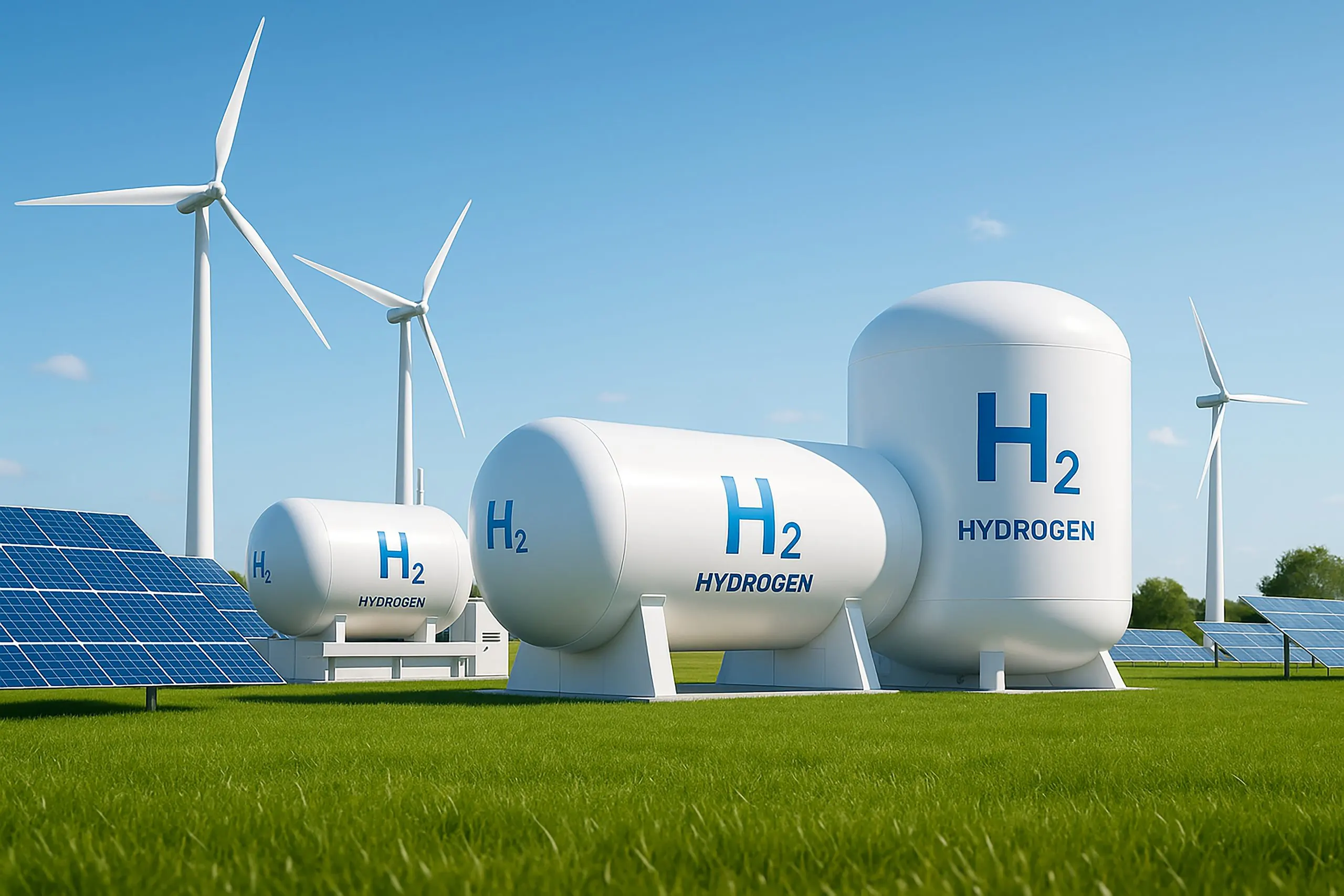
The Philippines is gradually emerging as a potential market for green hydrogen as the nation seeks to enhance energy security and lower greenhouse gas emissions. Green hydrogen, produced using renewable‑powered electrolysis, offers a low‑carbon alternative to fossil fuels and can support the country’s decarbonization and industrial development plans. Key renewable resources like solar, wind, hydro, and biomass give the Philippines a foundational base to foster green hydrogen production and utilization over the next decade. Early partnerships and policy frameworks are beginning to shape the market’s long‑term trajectory.
Key Drivers Fueling the Growth of the Green Hydrogen Market in the Philippines
Renewable Energy Potential
The country’s abundant renewable energy resources underpin its green hydrogen prospects. Solar, wind, hydro, geothermal, and biomass capacity provide diversified inputs for renewable‑powered electrolysis, which is essential for green hydrogen production. Expanding renewables in the energy mix—targeted to reach significant shares by 2030 and 2040—will support the scale‑up of electrolyze installations and reduce reliance on imported fossil fuels.
Decarbonization and Energy Transition Goals
Green hydrogen can play a role in addressing emissions from hard‑to‑abate sectors such as industry and transport. Industrial applications (e.g., fertilizer and chemical production) currently rely on hydrogen from fossil fuels, presenting an opportunity to shift to cleaner alternatives. Government strategy and academic studies increasingly recognise hydrogen as a vector for low‑carbon energy and industrial processes, aligning with national climate commitments under the Paris Agreement.
Private Sector Investment and Strategic Partnerships
Strategic investments and partnerships are catalyzing early green hydrogen initiatives. For example, international firms are entering agreements to develop hydrogen infrastructure and hybrid renewable‑hydrogen power plants, demonstrating growing commercial interest and laying groundwork for future capacity. These engagements influence local energy diversification and the development of hydrogen supply chains.
Government Policies and Initiatives Boosting Green Hydrogen Development in the Philippines
The Philippine government has defined green hydrogen in energy policy and established incentives such as tax breaks, duty exemptions for equipment, and credits on domestic capital services for hydrogen projects. Policy guidelines include both fiscal and non‑fiscal measures to stimulate adoption of renewable‑based hydrogen production.
Overview of Key Players and Strategic Developments in the Philippines Green Hydrogen Market
Market activity in the Philippines remains nascent, with significant roles for international energy firms partnering with local authorities and zones to assess hydrogen power projects. Early agreements reflect interest in green hydrogen infrastructure development, though domestic competitors are still emerging. As the global market expands substantially—projected to grow multiple folds by 2035—regional players may gain advantages through technology transfer and early deployment experience.
Challenges Hindering the Growth and Scaling of Green Hydrogen in the Philippines
Cost and Economic Competitiveness
High production costs remain a central challenge. Green hydrogen production via electrolysis powered by renewables is currently more expensive than fossil‑based hydrogen, necessitating policy support and cost‑reducing technological improvements to enhance competitiveness.
Infrastructure and Scale
Developing the necessary infrastructure for large‑scale hydrogen production, transport, storage, and end‑use applications requires substantial investment and coordination. Early projects are limited in scale and largely focused on pilot or demonstration phases, underscoring the gap between ambition and practical deployment.
Future Outlook
Through 2035, the Philippines’ green hydrogen market is expected to evolve from early experimentation to more structured development, supported by renewable energy expansion and government incentives. Renewable targets and policy definitions create an enabling environment for electrolyzing installations and hybrid renewable‑hydrogen systems. Continued investments and international collaborations could position the country to serve niche industrial and transport applications, while global market growth and technology cost reductions enhance local feasibility. By 2035, green hydrogen may become a meaningful component of the Philippines’ strategy to diversify energy sources and reduce carbon emissions.
Consultants at Nexdigm, in their latest publication “Philippines Green Hydrogen Market Outlook to 2035,” analyze the sector by System Type (Electrolyzes, Hydrogen Storage Systems, Fuel Cells, Compression Systems), By Platform Type (Land-based Systems, Offshore Systems, Integrated Systems), and By Fitment Type (On-site Generation, Off-site Generation, Hybrid Solutions). Nexdigm suggests that businesses should embrace innovation and strategic collaborations to leverage the growing opportunities in emerging markets, particularly in sectors like green hydrogen. By aligning with government policies, investing in sustainable technologies, and fostering partnerships, companies can gain a competitive edge and contribute to the global transition toward a low-carbon economy.
To take the next step, simply visit our Request a Consultation page and share your requirements with us.
Harsh Mittal
+91-8422857704
[email protected]